RedKalion
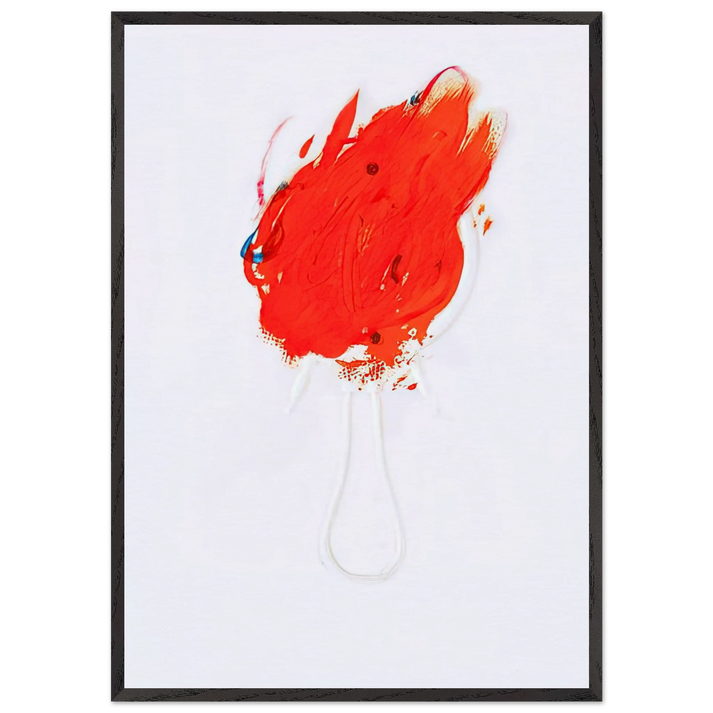
UNTITLED FLAME AND MIRROR 1967 - Antoni Tapies 70x100 cm / 28x40 inches Framed Art Print – Black Wooden Frame
UNTITLED FLAME AND MIRROR 1967 - Antoni Tapies 70x100 cm / 28x40 inches Framed Art Print – Black Wooden Frame
Couldn't load pickup availability
Untitled Flame and Mirror (1967) by Antoni Tàpies
Elevate your space with this museum-quality framed art print of Antoni Tàpies's iconic 1967 work, Untitled Flame and Mirror. This 70x100 cm / 28x40 inches reproduction captures the raw, textured essence of Tàpies's materic painting, where abstract forms and symbolic elements like flame and mirror evoke deep introspection and existential themes. As a leading figure in Art Informel and Spanish abstract art, Tàpies used mixed media to create surfaces rich with meaning, making this piece a profound addition to any modern or contemporary art collection.
RedKalion presents this archival-grade fine art print on 250 gsm (110 lb) matte, uncoated paper, ensuring vibrant color fidelity and longevity. The print is protected by shatterproof plexiglass and elegantly framed in a black wooden frame crafted from responsibly sourced oak and ash wood, with a substantial 20mm (0.79") thickness for a premium gallery look. Complete with a hanging kit, it arrives ready-to-hang, allowing you to instantly transform your home or office into a curated art space.
- Frame: Black wooden frame (oak and ash, 20mm thick)
- Print Size: 70x100 cm / 28x40 inches
- Paper: 250 gsm matte archival paper, FSC-certified
- Protection: Shatterproof plexiglass
- Ready-to-Hang: Includes hanging kit

Discover Unlimited Art Possibilities
At RedKalion, you can find virtually any artwork from any artist, available in a wide range of sizes to perfectly match your space.
If you didn’t find what you’re looking for, contact us at support@redkalion.com . We will source any artwork and produce it in any size and format you need, including art prints, posters, canvas, framed pieces, framed canvas, and more.
For dedicated art enthusiasts, we also offer handcrafted replicas of any artwork, carefully painted by highly skilled artists using traditional techniques.
For custom requests, contact us at support@redkalion.com .
What are the dimensions of this framed art print?
This framed print measures 70x100 cm (28x40 inches), with a black wooden frame that is 20mm (0.79 inches) thick, providing a substantial and elegant gallery-style presentation for your fine art reproduction.
What type of paper is used for this museum-quality print?
We use 250 gsm (110 lb) matte, uncoated archival paper that is FSC-certified, ensuring high durability and vibrant color reproduction for your Antoni Tàpies art print.
Is this framed print ready to hang?
Yes, this framed art print includes a hanging kit and arrives ready-to-hang, allowing for easy installation directly on your wall without additional tools.
How is the print protected in the frame?
The print is safeguarded by shatterproof plexiglass, which offers clear visibility and protection against damage, making it ideal for long-term display of your archival art reproduction.
What is the frame made of?
The frame is crafted from responsibly sourced oak and ash wood, finished in black, with a 20mm thickness for a premium look that enhances your Antoni Tàpies abstract art.
What artistic movement is Antoni Tàpies associated with?
Antoni Tàpies was a key figure in Art Informel, a post-World War II European abstract art movement focused on materiality and texture, as seen in this 1967 flame and mirror piece.
What does the flame and mirror symbolize in this artwork?
In Untitled Flame and Mirror, Tàpies uses these symbols to explore themes of reflection, transformation, and existential inquiry, common in his materic painting style from the 1960s.