RedKalion
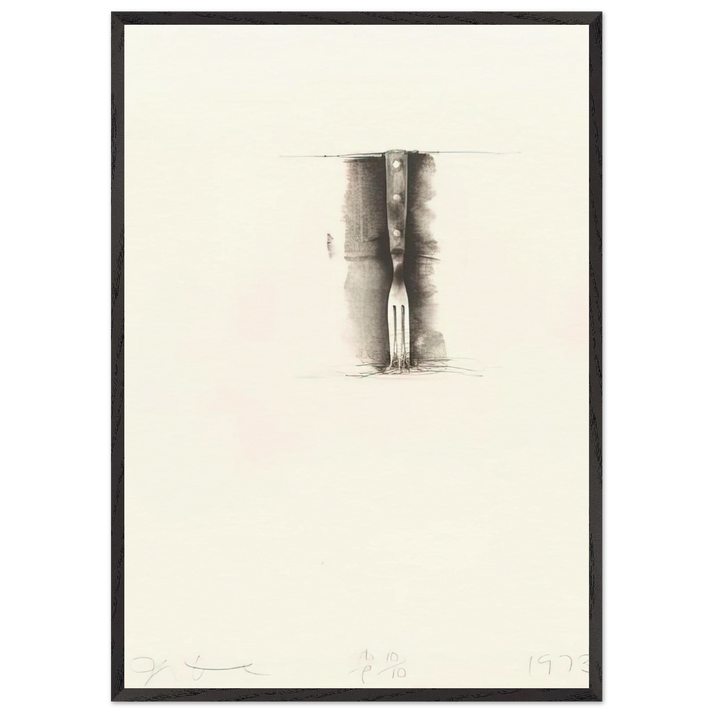
UNTITLED FROM TEN WINTER TOOLS 1973 8 - Jim Dine 70x100 cm / 28x40 inches Framed Art Print – Black Wooden Frame
UNTITLED FROM TEN WINTER TOOLS 1973 8 - Jim Dine 70x100 cm / 28x40 inches Framed Art Print – Black Wooden Frame
Couldn't load pickup availability
Untitled from Ten Winter Tools 1973 8 – Jim Dine
This framed art print by Jim Dine, from his iconic Ten Winter Tools series of 1973, captures the artist's profound exploration of everyday objects as vessels of memory and emotion. Dine, a key figure in the Pop Art and Neo-Dada movements, elevates the humble tool into a symbol of human labor and nostalgia, rendered with expressive, gestural lines that blur the boundary between abstraction and representation. The composition's raw energy and textured depth invite contemplation, making it a compelling centerpiece for modern interiors seeking both historical resonance and aesthetic boldness.
RedKalion presents this museum-quality reproduction as a ready-to-hang masterpiece, meticulously crafted to honor Dine's original vision. The print is produced on archival, matte-finish paper—250 gsm (110 lb) weight, 0.29 mm (11.4 mils) thick, and FSC-certified for sustainability—ensuring exceptional durability and color fidelity. It is elegantly framed in a responsibly sourced black wooden frame of oak and ash, measuring 20mm (0.79") thick and wide for a substantial, gallery-worthy presence. Shatterproof plexiglass provides superior protection against dust and damage, while the included hanging kit allows for immediate display. Elevate your space with this archival fine art print, a testament to RedKalion's commitment to curating world-class reproductions that endure.
- Artwork Details: Untitled from Ten Winter Tools 1973 8 by Jim Dine, 70x100 cm / 28x40 inches.
- Frame: Black wooden frame (oak and ash), 20mm thick and wide, ready-to-hang with kit.
- Paper: 250 gsm (110 lb), 0.29 mm thick, matte, uncoated, natural white, archival museum-quality, FSC-certified.
- Protection: Shatterproof plexiglass for lasting clarity and safety.

Discover Unlimited Art Possibilities
At RedKalion, you can find virtually any artwork from any artist, available in a wide range of sizes to perfectly match your space.
If you didn’t find what you’re looking for, contact us at support@redkalion.com . We will source any artwork and produce it in any size and format you need, including art prints, posters, canvas, framed pieces, framed canvas, and more.
For dedicated art enthusiasts, we also offer handcrafted replicas of any artwork, carefully painted by highly skilled artists using traditional techniques.
For custom requests, contact us at support@redkalion.com .
What is the historical significance of Jim Dine's Ten Winter Tools series?
Created in 1973, this series reflects Jim Dine's Neo-Dada and Pop Art roots, using everyday tools to explore themes of memory, labor, and abstraction, blending expressive drawing with conceptual depth.
How does the frame enhance this art print?
The 20mm thick black wooden frame, made from responsibly sourced oak and ash, provides a substantial, gallery-quality border that complements the artwork's bold lines and ensures durability.
What paper is used for this museum-quality reproduction?
We use 250 gsm (110 lb), 0.29 mm thick, matte, uncoated, natural white archival paper, FSC-certified for sustainability, ideal for fine art prints with long-lasting color and texture.
Is this framed art print ready to hang?
Yes, it includes a hanging kit and is ready-to-hang directly on your wall, with shatterproof plexiglass for protection and easy installation.
How does RedKalion ensure the archival quality of this print?
Our prints use archival museum-quality paper and sustainable materials, combined with precise reproduction techniques to maintain color accuracy and longevity for decades.
What distinguishes this frame from standard options?
At 20mm thick and wide, it is wider than classic 14mm frames, offering a more substantial, premium look that enhances the artwork's presence in any space.
Can you describe Jim Dine's technique in this piece?
Dine employs gestural, expressive lines and textured marks, blurring abstraction and representation to imbue the tool with emotional weight and nostalgic resonance.