

RedKalion
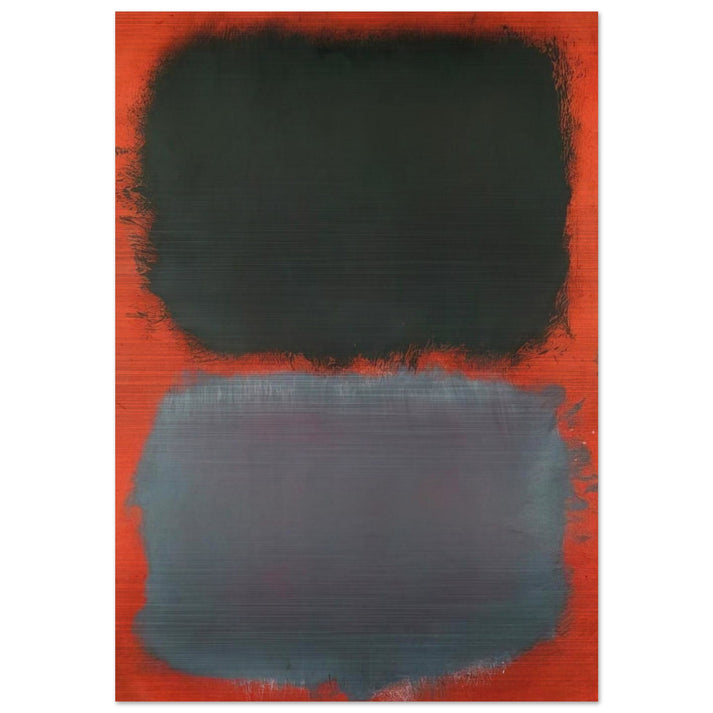
Untitled Gray, Gray on Red - 1968 - Mark Rothko Brushed Aluminum Print - 70x100 cm / 28x40 inches | Mark Rothko Aluminum Print | Mark Rothko Prints
Untitled Gray, Gray on Red - 1968 - Mark Rothko Brushed Aluminum Print - 70x100 cm / 28x40 inches | Mark Rothko Aluminum Print | Mark Rothko Prints
Couldn't load pickup availability
Untitled Gray, Gray on Red - 1968 - Mark Rothko Brushed Aluminum Print
Immerse yourself in the profound emotional depth of Mark Rothko's Untitled Gray, Gray on Red (1968), now available as a museum-quality fine art print from RedKalion. This iconic abstract expressionist masterpiece captures Rothko's signature exploration of color and form, where layered gray hues float ethereally against a vibrant red ground, evoking a contemplative and meditative mood. As a premier online gallery, RedKalion brings this archival-grade reproduction to your space with unparalleled fidelity and craftsmanship.
Our premium brushed silver Aluminum DIBOND® print measures 70x100 cm / 28x40 inches and features a 3mm (0.12") thickness for a durable, rigid base that ensures lasting elegance. The direct print on AluDibond technology delivers vivid, true-to-life colors with a matte, glare-free finish, while unprinted white areas reveal a striking metallic silver effect that enhances the artwork's dynamic look. This Rothko aluminum print is not just a reproduction; it's a testament to RedKalion's commitment to curating world-class, archival-grade art that endures.
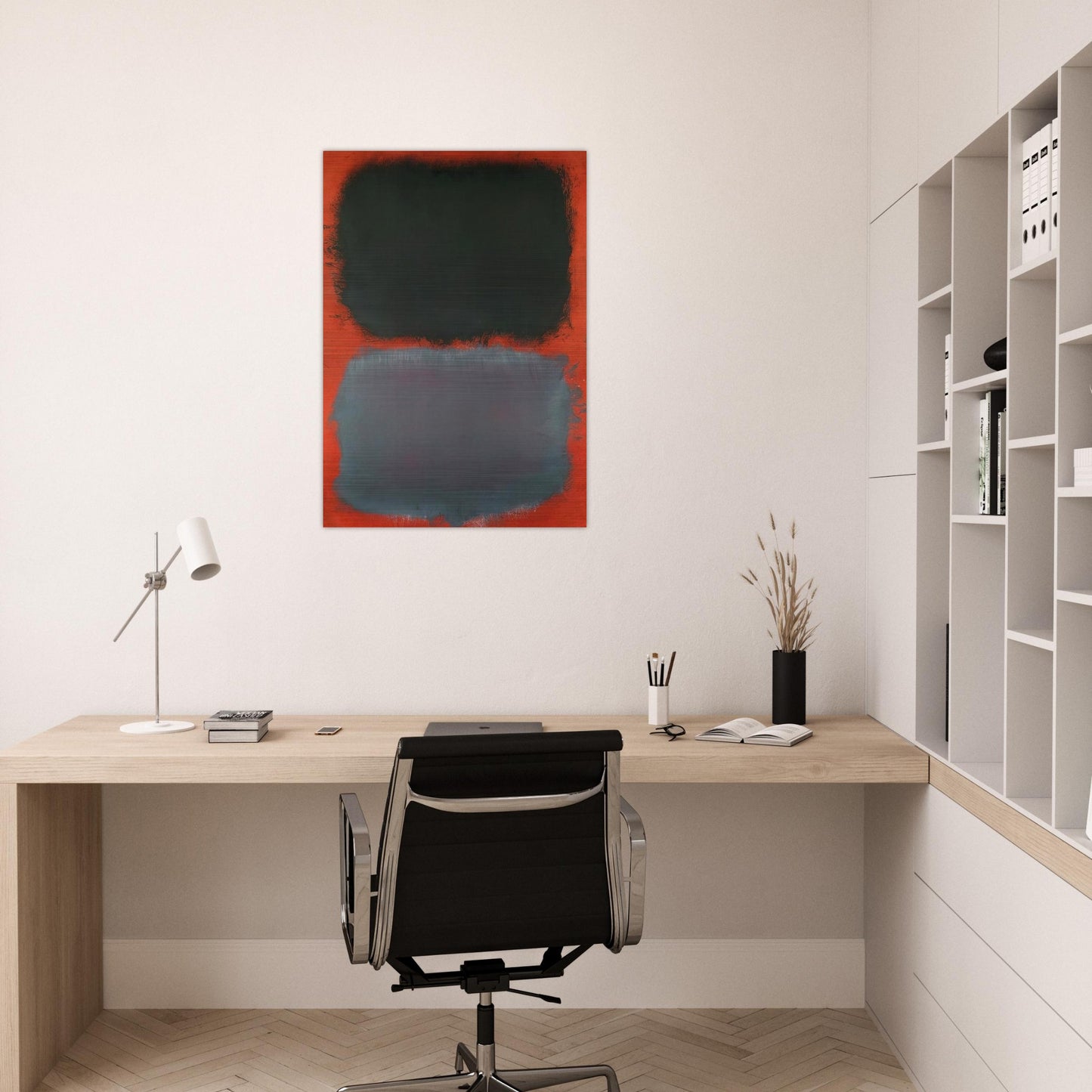
Elevate your home or office with this Mark Rothko print, a piece that bridges historical significance with modern sophistication. Each print includes a hanging kit (varies by fulfillment country), ready to transform any room into a gallery-worthy sanctuary. Trust RedKalion for authentic, high-quality reproductions that honor the legacy of master artists like Rothko.


Discover Unlimited Art Possibilities
At RedKalion, you can find virtually any artwork from any artist, available in a wide range of sizes to perfectly match your space.
If you didn’t find what you’re looking for, contact us at support@redkalion.com . We will source any artwork and produce it in any size and format you need, including art prints, posters, canvas, framed pieces, framed canvas, and more.
For dedicated art enthusiasts, we also offer handcrafted replicas of any artwork, carefully painted by highly skilled artists using traditional techniques.
For custom requests, contact us at support@redkalion.com .
What are the dimensions and material of this Mark Rothko aluminum print?
This Mark Rothko fine art print measures 70x100 cm (28x40 inches) and is crafted from brushed silver Aluminum DIBOND® with a 3mm thickness for a durable, museum-quality reproduction.
How is the print applied to the aluminum surface?
We use direct print on AluDibond technology, ensuring vivid colors and a matte finish, with unprinted areas revealing a metallic silver effect for a dynamic look in this Rothko brushed aluminum print.
A hanging kit is included with every order, though it varies by fulfillment country, making installation easy for your premium Mark Rothko print.
Is the finish suitable for different lighting conditions?
Yes, the matte, glare-free finish is ideal for black-and-white designs and ensures optimal viewing in various lighting, enhancing the archival longevity of this Rothko aluminum art piece.
How does RedKalion ensure the quality of this reproduction?
RedKalion specializes in archival-grade, museum-quality prints using premium materials like Aluminum DIBOND® to deliver true-to-life colors and durability in every Mark Rothko fine art print.
What is the historical significance of Untitled Gray, Gray on Red (1968)?
This artwork is a key example of Rothko's late abstract expressionist period, where he used layered grays on red to evoke deep emotional and spiritual contemplation, reflecting his mastery of color field painting.
Why does Rothko use gray and red in this piece?
Rothko employed gray to create a meditative, floating effect against the vibrant red ground, exploring themes of transcendence and human emotion through his signature color-block technique.