

RedKalion
Untitled Purple, White, and Red - 1953 - Mark Rothko Brushed Aluminum Print - 70x100 cm / 28x40 inches | Mark Rothko Aluminum Print | Mark Rothko Prints
Untitled Purple, White, and Red - 1953 - Mark Rothko Brushed Aluminum Print - 70x100 cm / 28x40 inches | Mark Rothko Aluminum Print | Mark Rothko Prints
Couldn't load pickup availability
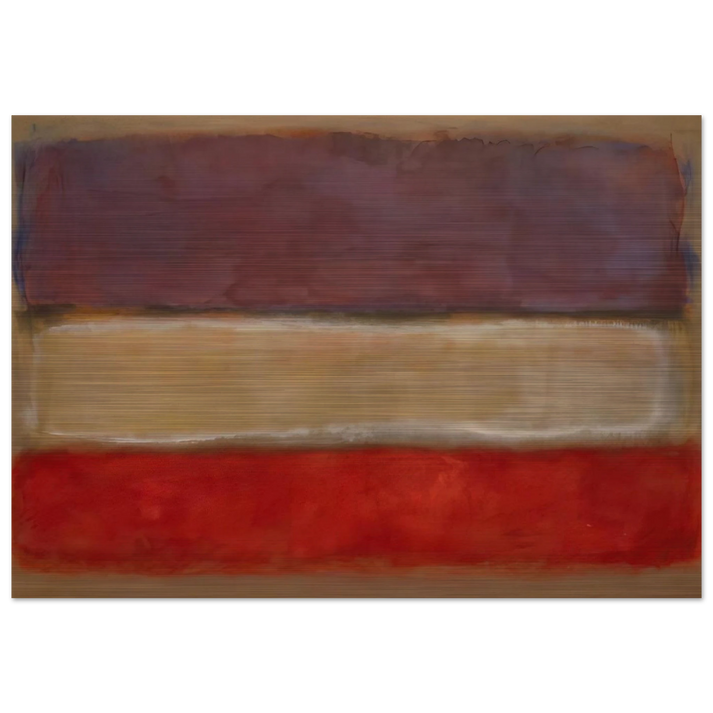
Mark Rothko's Untitled Purple, White, and Red (1953) - Brushed Aluminum Print
Immerse yourself in the profound emotional resonance of Mark Rothko's Untitled Purple, White, and Red (1953), a quintessential example of his Color Field paintings. This museum-quality reproduction captures the subtle interplay of luminous purple, ethereal white, and deep red hues that Rothko masterfully layered to evoke contemplation and transcendence. Created during his peak period in the 1950s, this artwork exemplifies Rothko's revolutionary technique of applying thin, translucent washes of pigment to create a glowing, immersive field of color that seems to float before the viewer.
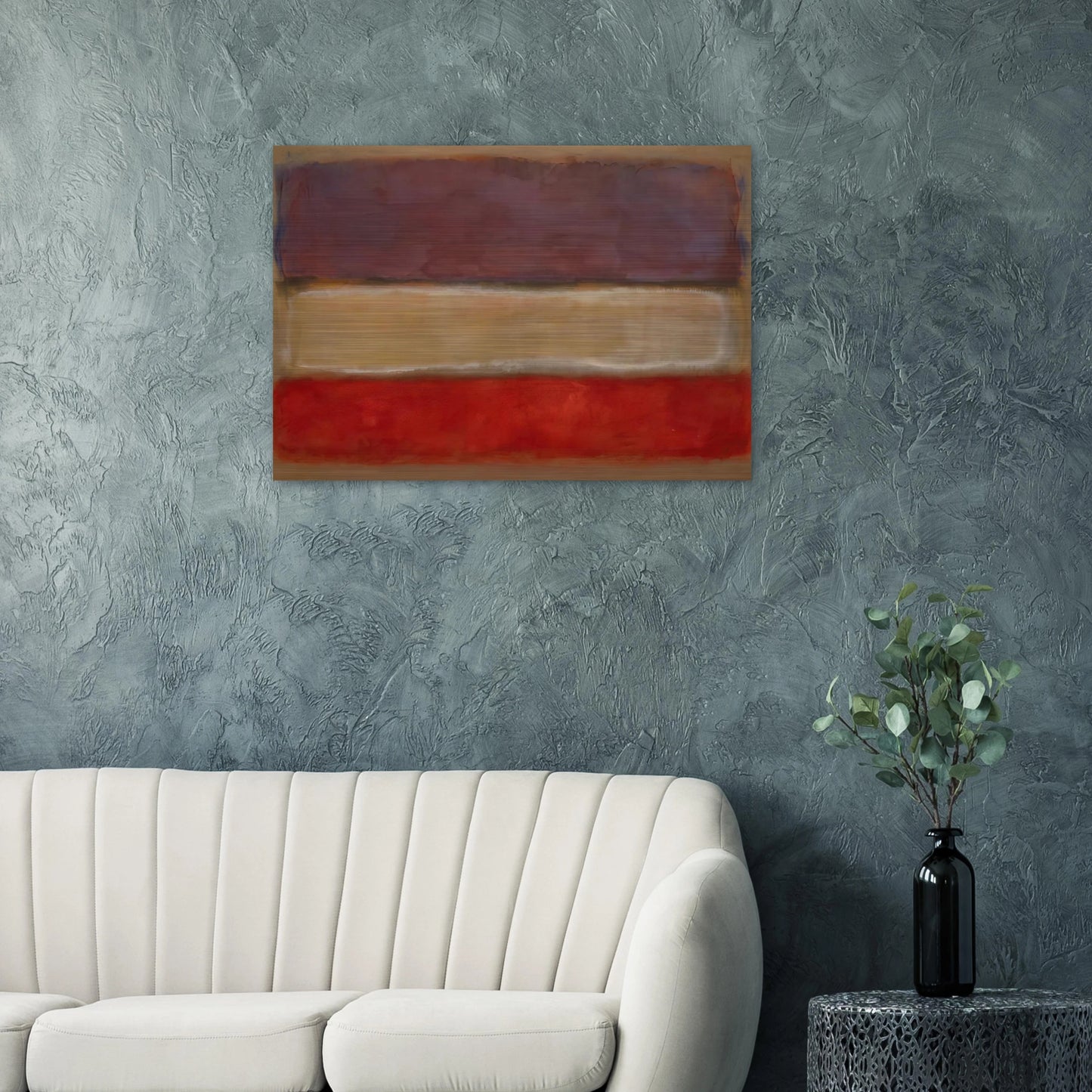
RedKalion presents this iconic piece as a premium brushed aluminum print, meticulously crafted on 3mm thick Aluminum DIBOND® with a metallic finish and horizontal grain. The direct print technology ensures vivid colors and a matte, glare-free surface, while unprinted areas reveal a striking brushed silver effect, enhancing the artwork's dynamic presence. Measuring 70x100 cm (28x40 inches), this archival-grade reproduction includes a hanging kit for effortless display.
Elevate your space with an archival masterpiece that endures, bringing the timeless beauty of Rothko's abstract expressionism into your home or office. This Mark Rothko print is not just a decoration but a conversation piece that reflects sophistication and artistic appreciation.


Discover Unlimited Art Possibilities
At RedKalion, you can find virtually any artwork from any artist, available in a wide range of sizes to perfectly match your space.
If you didn’t find what you’re looking for, contact us at support@redkalion.com . We will source any artwork and produce it in any size and format you need, including art prints, posters, canvas, framed pieces, framed canvas, and more.
For dedicated art enthusiasts, we also offer handcrafted replicas of any artwork, carefully painted by highly skilled artists using traditional techniques.
For custom requests, contact us at support@redkalion.com .
What are the specifications of this Mark Rothko aluminum print?
This print measures 70x100 cm (28x40 inches), is made from 3mm thick brushed silver Aluminum DIBOND® with a metallic finish, and features direct printing for vivid colors and a matte, glare-free surface with a brushed silver effect in unprinted areas.
How does the brushed aluminum material enhance this Rothko reproduction?
The brushed aluminum adds a dynamic, metallic sheen and horizontal grain, complementing Rothko's Color Field technique with a modern, durable base that ensures vivid color reproduction and a striking visual impact.
Is a hanging kit included with this fine art print?
Yes, a hanging kit is included; specific components may vary by fulfillment country to ensure secure and easy installation for your Mark Rothko brushed aluminum print.
What makes this a museum-quality reproduction of Rothko's work?
It uses archival-grade materials and precise printing to capture the subtle color layers and emotional depth of Rothko's 1953 painting, offering a high-fidelity, durable fine art print suitable for long-term display.
How should I care for and clean this aluminum print?
Gently dust with a soft, dry cloth; avoid harsh chemicals. The matte finish and aluminum base are designed for low maintenance and long-lasting vibrancy in your Mark Rothko prints collection.
What is the historical significance of Rothko's Untitled Purple, White, and Red (1953)?
This artwork is a key example of Rothko's Color Field paintings from the 1950s, using layered purple, white, and red to create an immersive, emotional experience that defines abstract expressionism.
How does Rothko's technique influence the appearance of this print?
Rothko's thin, translucent washes of pigment are reproduced with high accuracy, allowing the brushed aluminum's metallic effects to enhance the glowing, floating quality of the color fields in this fine art print.