

RedKalion
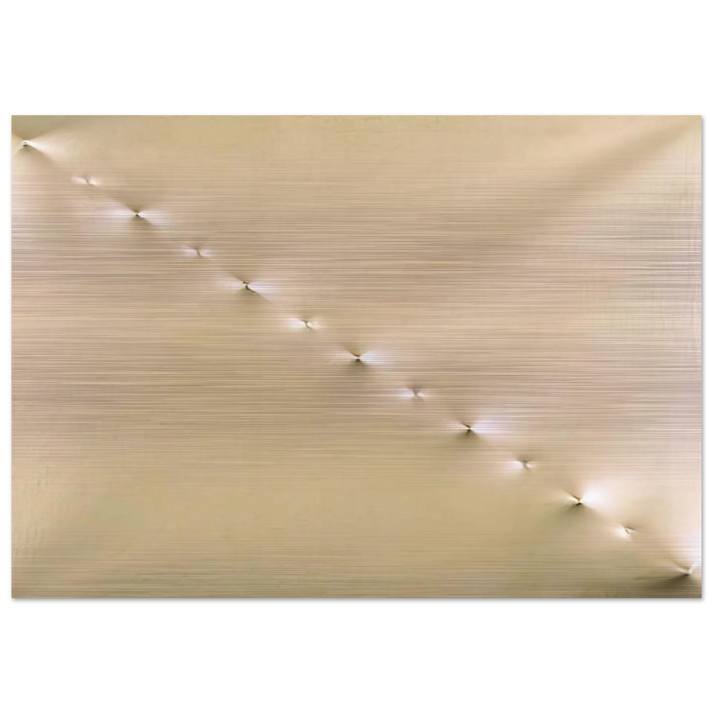
Untitled - Spatialism - Enrico Castellani Brushed Aluminum Print - 70x100 cm / 28x40 inches | Enrico Castellani Aluminum Print | Enrico Castellani Prints
Untitled - Spatialism - Enrico Castellani Brushed Aluminum Print - 70x100 cm / 28x40 inches | Enrico Castellani Aluminum Print | Enrico Castellani Prints
Couldn't load pickup availability
Untitled - Spatialism - Enrico Castellani Brushed Aluminum Print
Experience the radical innovation of Enrico Castellani's Untitled - Spatialism in a museum-quality reproduction that captures the essence of his groundbreaking work. This brushed silver Aluminum DIBOND® print (70x100 cm / 28x40 inches) transforms Castellani's exploration of light, space, and form into a tangible masterpiece for your contemporary space.
Castellani, a pivotal figure in the Spatialism movement of the 1960s, challenged traditional painting by creating dynamic surfaces through rhythmic protrusions and recessions. His work blurs the line between art and object, inviting viewers to engage with the interplay of shadow and reflection. This piece exemplifies his commitment to redefining artistic boundaries, making it a profound addition to any collection of modern art prints.
At RedKalion, we honor Castellani's legacy with archival-grade craftsmanship. Our direct print on 3mm AluDibond ensures vivid, lasting colors and a matte, glare-free finish. The unprinted areas reveal a striking metallic silver effect, enhancing the brushed horizontal grain for a dynamic, tactile presence. This durable, rigid base is designed to endure, offering a sophisticated alternative to traditional canvas prints.
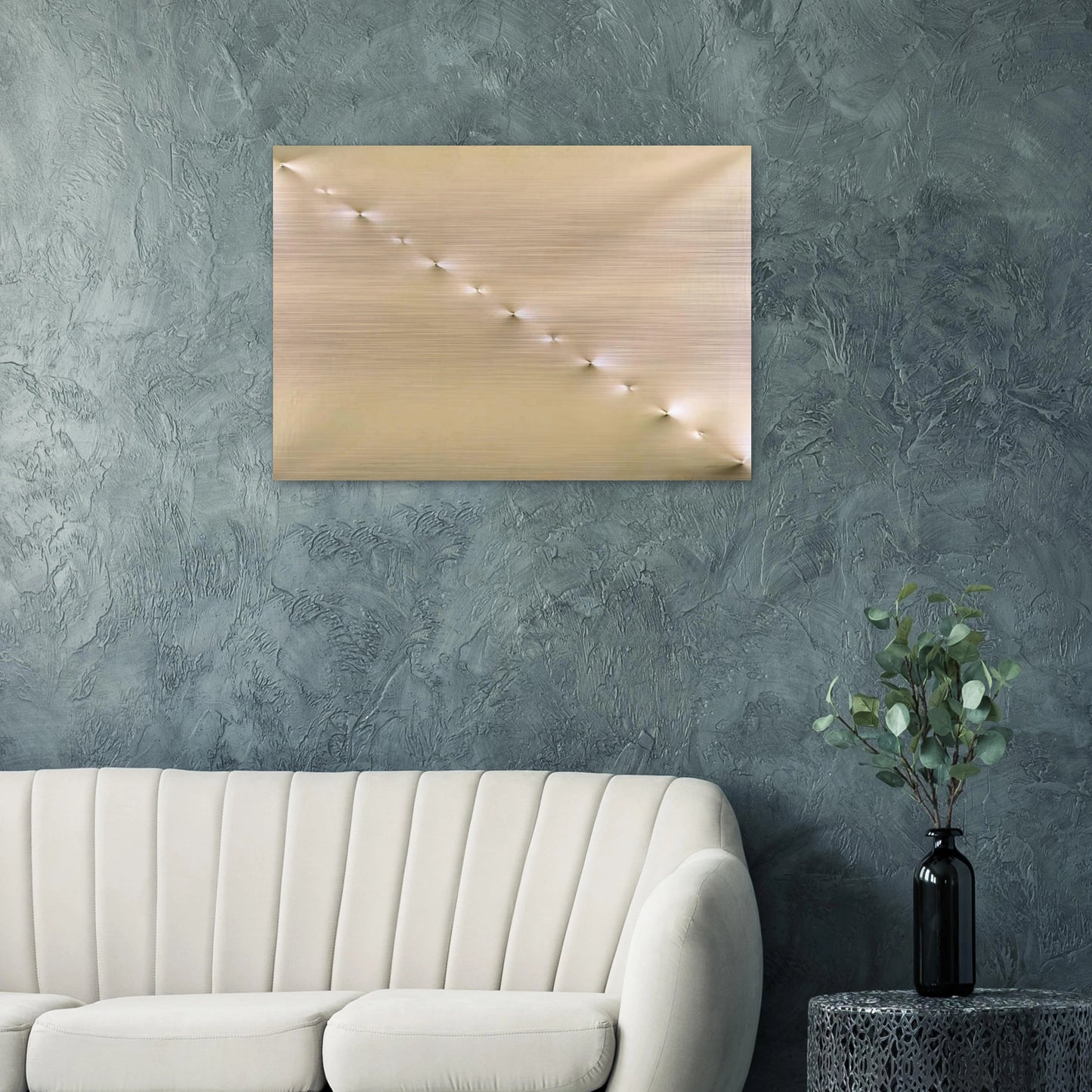
Elevate your environment with this Enrico Castellani aluminum print, a testament to avant-garde design and premium reproduction. Each piece includes a hanging kit for seamless installation, curated to meet the highest standards of fine art display.


Discover Unlimited Art Possibilities
At RedKalion, you can find virtually any artwork from any artist, available in a wide range of sizes to perfectly match your space.
If you didn’t find what you’re looking for, contact us at support@redkalion.com . We will source any artwork and produce it in any size and format you need, including art prints, posters, canvas, framed pieces, framed canvas, and more.
For dedicated art enthusiasts, we also offer handcrafted replicas of any artwork, carefully painted by highly skilled artists using traditional techniques.
For custom requests, contact us at support@redkalion.com .
What are the dimensions and material of this Enrico Castellani print?
This fine art print measures 70x100 cm (28x40 inches) and is crafted from brushed silver Aluminum DIBOND® with a 3mm thickness, offering a durable, museum-quality reproduction with a metallic finish.
How does the printing process enhance the artwork's visual impact?
Direct print on AluDibond ensures vivid colors and a matte, glare-free finish, while unprinted white areas reveal a dynamic metallic silver effect, perfect for Spatialism designs.
Is the hanging kit included with this aluminum art print?
Yes, a hanging kit is included with your order; specific components may vary by fulfillment country to ensure secure installation.
What makes this print archival and long-lasting?
Made with premium Aluminum DIBOND® and high-quality inks, this print resists fading and damage, offering an archival-grade reproduction for enduring display.
How does the brushed finish contribute to the artwork's aesthetic?
The horizontal grain on the brushed silver aluminum creates a dynamic, tactile look that enhances Castellani's exploration of light and space in Spatialism.
Who was Enrico Castellani and why is his work significant?
Enrico Castellani was a key figure in the Spatialism movement, known for creating textured surfaces that challenge traditional painting and engage viewers with light and form.
What is the Spatialism movement in art history?
Spatialism, emerging in the 1960s, focused on incorporating space, light, and movement into art, with Castellani pioneering works that blur boundaries between painting and sculpture.