RedKalion
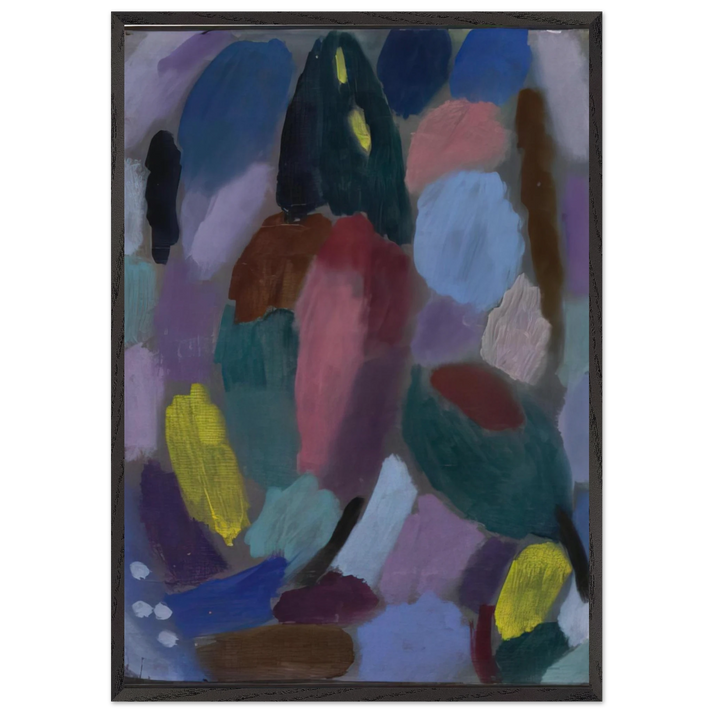
VARIATION FIELD OF TULIPS 1916 - Alexej von Jawlensky 70x100 cm / 28x40 inches Framed Art Print – Black Wooden Frame
VARIATION FIELD OF TULIPS 1916 - Alexej von Jawlensky 70x100 cm / 28x40 inches Framed Art Print – Black Wooden Frame
Couldn't load pickup availability
VARIATION FIELD OF TULIPS 1916 - Alexej von Jawlensky
Experience the vibrant abstraction of Alexej von Jawlensky's "Variation Field of Tulips 1916", a masterpiece of Expressionist art now available as a museum-quality framed art print from RedKalion. This 70x100 cm (28x40 inches) reproduction captures the artist's bold, emotive use of color and form, reflecting his deep spiritual connection to nature during a transformative period in modern art history.
Jawlensky, a key figure in the Blue Rider movement, pioneered a unique style that distilled subjects into rhythmic, almost musical compositions. In this work, tulips are not merely depicted but transformed into a symphony of vibrant hues and dynamic shapes, evoking a sense of joy, renewal, and artistic freedom. It's an ideal piece for those seeking to infuse their space with the energy and innovation of early 20th-century European art.
Elevate your home or office with this archival masterpiece that endures. Our print is produced on 250 gsm (110 lb) matte, uncoated, natural white paper—a premium, archival museum-quality substrate that ensures longevity and a tactile, gallery-like finish. The shatterproof plexiglass provides superior protection against damage, while the frame, crafted from responsibly sourced oak and ash wood, adds a sophisticated touch with its 20mm (0.79") thick and wide profile, offering a more substantial presence than classic frames.
This framed art print arrives ready-to-hang, complete with a hanging kit, so you can immediately transform any wall into a personal gallery. Trust RedKalion to deliver a fine art reproduction that honors Jawlensky's legacy with uncompromising quality and sustainable materials, including FSC-certified paper.

Discover Unlimited Art Possibilities
At RedKalion, you can find virtually any artwork from any artist, available in a wide range of sizes to perfectly match your space.
If you didn’t find what you’re looking for, contact us at support@redkalion.com . We will source any artwork and produce it in any size and format you need, including art prints, posters, canvas, framed pieces, framed canvas, and more.
For dedicated art enthusiasts, we also offer handcrafted replicas of any artwork, carefully painted by highly skilled artists using traditional techniques.
For custom requests, contact us at support@redkalion.com .
What are the dimensions of this framed art print?
This framed art print measures 70x100 cm (28x40 inches), including the black wooden frame, making it a striking centerpiece for any room.
What type of paper is used for this fine art print?
We use 250 gsm (110 lb) matte, uncoated, natural white archival museum-quality paper, with a thickness of 0.29 mm (11.4 mils), ideal for vibrant color reproduction and longevity.
Is this print ready to hang upon delivery?
Yes, this framed art print includes a hanging kit and is ready-to-hang directly on your wall, ensuring a hassle-free setup.
How durable is the frame and protection for this art print?
The frame is made from responsibly sourced oak and ash wood, 20mm (0.79") thick and wide, with shatterproof plexiglass to protect the print from damage and UV light.
Is the paper sustainable and archival for long-term display?
Yes, the paper is FSC-certified or equivalent, archival museum-quality, designed to resist fading and deterioration over time for enduring beauty.
Who was Alexej von Jawlensky and what is the significance of this artwork?
Alexej von Jawlensky was a Russian Expressionist painter and a key member of the Blue Rider group. "Variation Field of Tulips 1916" reflects his spiritual approach to art, using bold colors and abstract forms to evoke emotion and transcend literal representation.
What artistic techniques did Jawlensky use in this piece?
Jawlensky employed vibrant, non-naturalistic colors and simplified, rhythmic shapes to transform tulips into an expressive, almost musical composition, highlighting his focus on inner feeling over realistic detail.