RedKalion
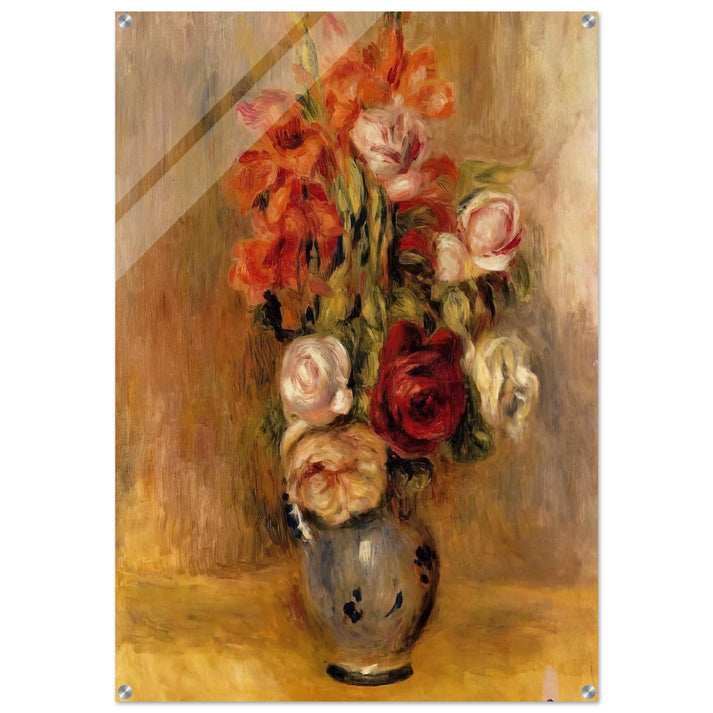
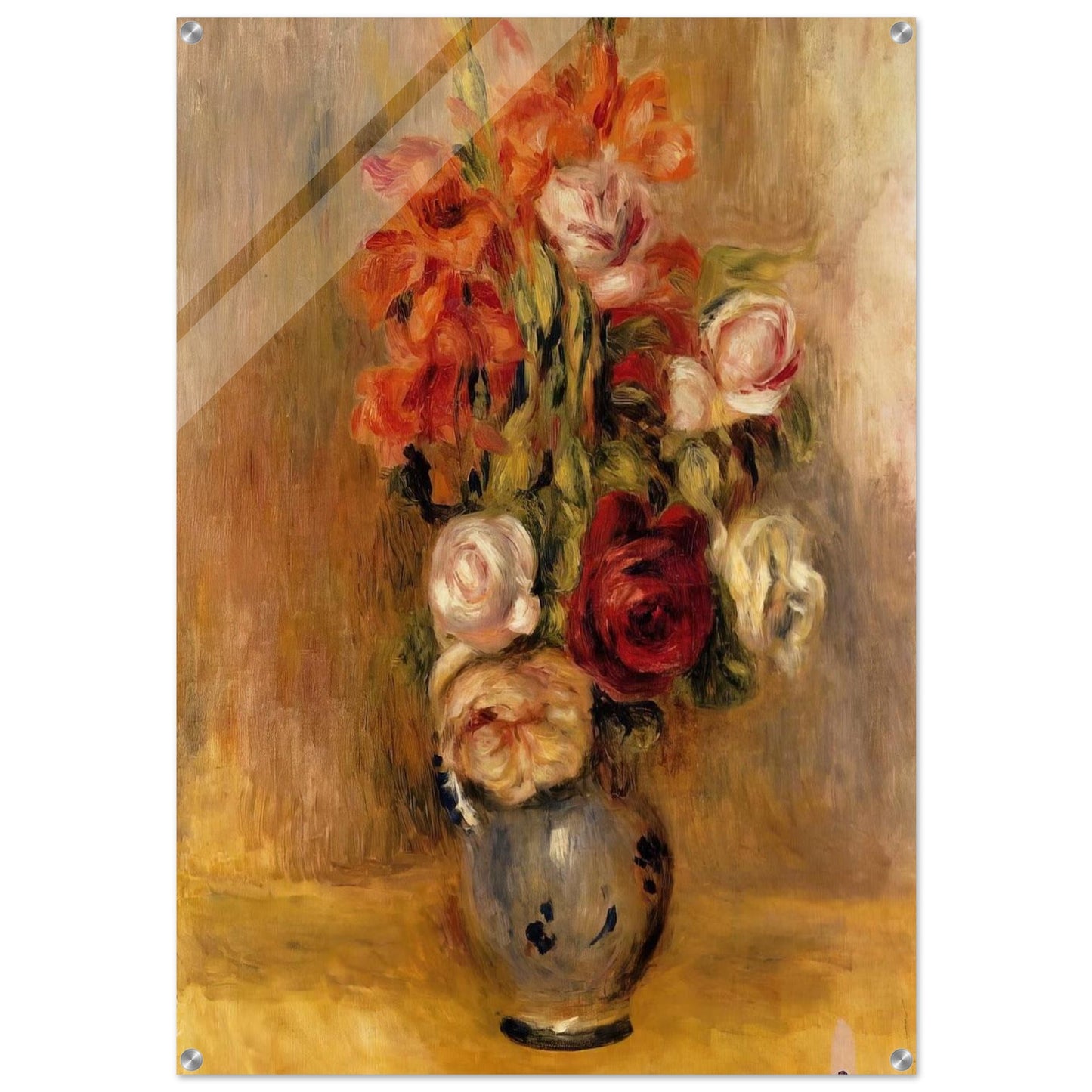
Vase of Gladiolas and Roses - Pierre-Auguste Renoir Acrylic Print - 70x100 cm / 28x40″ inches | Pierre-Auguste Renoir Wall Art | Pierre-Auguste Renoir Prints
Vase of Gladiolas and Roses - Pierre-Auguste Renoir Acrylic Print - 70x100 cm / 28x40″ inches | Pierre-Auguste Renoir Wall Art | Pierre-Auguste Renoir Prints
Couldn't load pickup availability
Vase of Gladiolas and Roses - Pierre-Auguste Renoir Acrylic Print
Immerse your space in the radiant Impressionist beauty of Pierre-Auguste Renoir's "Vase of Gladiolas and Roses" with this museum-quality reproduction. Renoir, a master of light and color, captures the fleeting vibrancy of summer blooms in this 19th-century masterpiece, where soft brushstrokes and a luminous palette evoke a sense of warmth and natural elegance. This fine art print transforms his iconic floral still life into a durable, gallery-ready display, perfect for elevating any interior with timeless artistry.
RedKalion's archival-grade reproduction ensures every delicate petal and subtle hue is rendered with precision, using a 4mm (0.15") acrylic surface that enhances vibrancy and provides a sleek, modern finish. The straight-cut corners and default white background for transparent areas optimize presentation, making it an ideal piece of Pierre-Auguste Renoir wall art for homes, offices, or galleries. Measuring 70x100 cm / 28x40" inches, this Pierre-Auguste Renoir print arrives ready to hang with a complete kit, including hardware and pre-drilled screw holes at each corner for effortless installation.
Elevate your decor with an archival masterpiece that endures, blending Renoir's artistic legacy with contemporary durability. Trust RedKalion for premium reproductions that honor the original's spirit and craftsmanship.
Discover Unlimited Art Possibilities
At RedKalion, you can find virtually any artwork from any artist, available in a wide range of sizes to perfectly match your space.
If you didn’t find what you’re looking for, contact us at support@redkalion.com . We will source any artwork and produce it in any size and format you need, including art prints, posters, canvas, framed pieces, framed canvas, and more.
For dedicated art enthusiasts, we also offer handcrafted replicas of any artwork, carefully painted by highly skilled artists using traditional techniques.
For custom requests, contact us at support@redkalion.com .
What are the dimensions of this Pierre-Auguste Renoir acrylic print?
This fine art print measures 70x100 cm (28x40 inches), offering a substantial presence for displaying Renoir's floral masterpiece as premium wall art.
What material is used for this museum-quality reproduction?
It features 4mm (0.15") acrylic for a vibrant, durable finish that enhances the colors of Renoir's Impressionist work, ensuring a long-lasting archival print.
How is this Renoir print shipped and installed?
It includes a hanging kit with hardware, screws, and pre-drilled holes at each corner (14mm from edge, 8mm diameter) for easy setup of your wall art.
Is this print archival and fade-resistant?
Yes, RedKalion uses archival-grade materials to protect against fading, making this a durable reproduction of Renoir's floral still life for years of enjoyment.
What design features does this acrylic print have?
It has straight-cut corners for a modern look and white backgrounds for transparent areas, optimizing the presentation of this Pierre-Auguste Renoir print.
What is the historical significance of "Vase of Gladiolas and Roses" by Renoir?
Created in the late 19th century, this work showcases Renoir's mastery of light and color in Impressionism, capturing the ephemeral beauty of flowers with soft, luminous brushstrokes.
Why did Renoir often paint floral still lifes like this one?
Renoir used floral subjects to explore color harmony and natural light, reflecting his focus on joy and beauty in everyday scenes during the Impressionist era.