
RedKalion
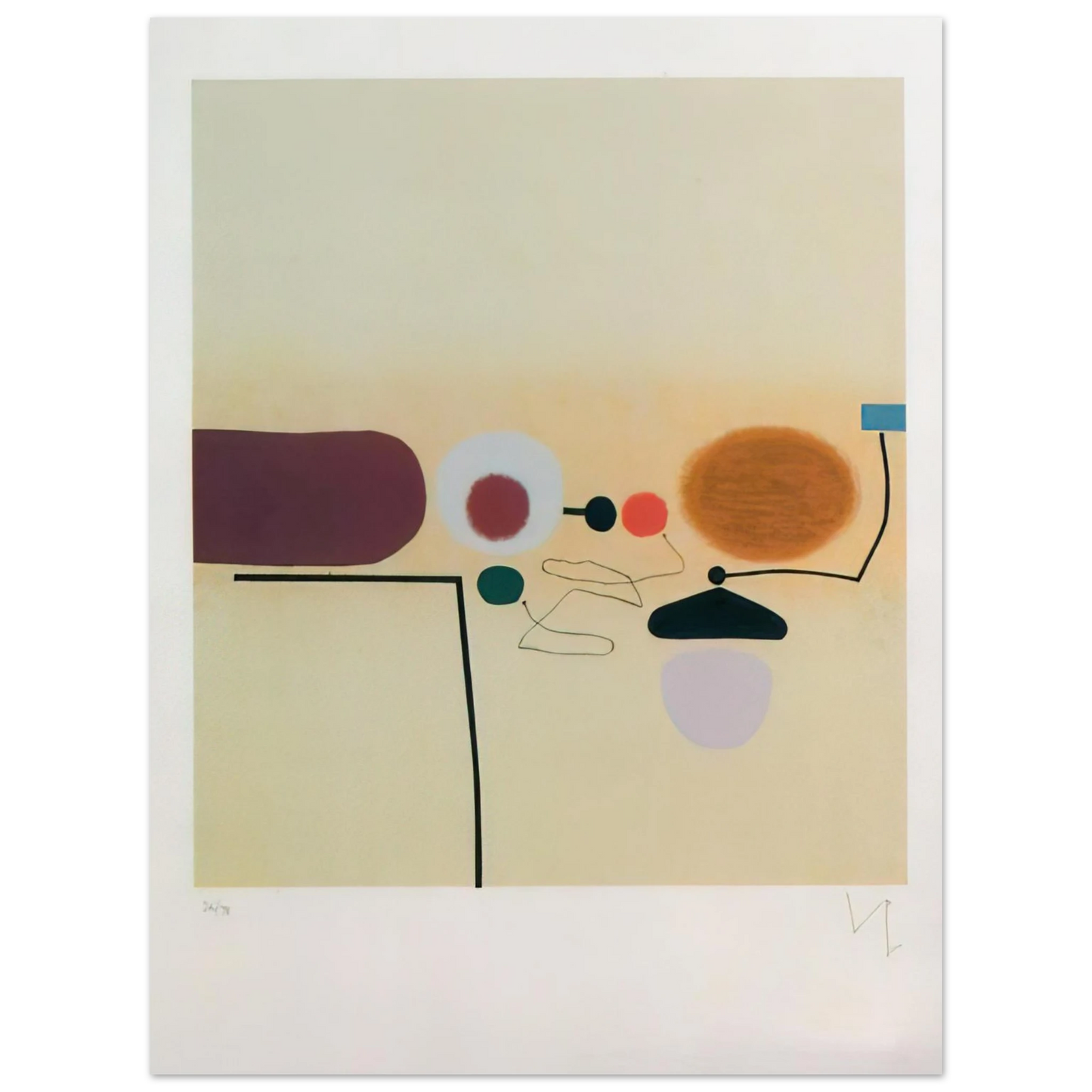
Victor Pasmore - COMPOSITE IMAGE ORANGE AND PINK 75x100 cm / 30x40inches Fine Art Poster
Victor Pasmore - COMPOSITE IMAGE ORANGE AND PINK 75x100 cm / 30x40inches Fine Art Poster
Couldn't load pickup availability
Victor Pasmore - COMPOSITE IMAGE ORANGE AND PINK Fine Art Print
Immerse yourself in the bold abstraction of Victor Pasmore's COMPOSITE IMAGE ORANGE AND PINK, a masterful fine art print that captures the artist's revolutionary shift from figuration to pure geometric form. This museum-quality reproduction, measuring 75x100 cm (30x40 inches), brings Pasmore's pioneering Constructivist vision into your space, where vibrant orange and pink hues interplay with dynamic shapes to evoke a sense of modernist energy and intellectual depth.
As a leading figure in post-war British art, Pasmore co-founded the Euston Road School and later embraced abstraction, influencing movements like Constructivism. This piece exemplifies his exploration of color and form, using precise compositions to challenge traditional perspectives—a fascinating insight into how art evolved in mid-20th century Europe.
RedKalion presents this archival masterpiece on Master's Edition archival paper, featuring a matte, uncoated finish in a natural white (off-white) tone that enhances texture and minimizes glare. Crafted from acid-free, FSC-certified paper with a weight of 250 gsm (110 lb) and thickness of 0.29 mm (11.4 mils), this print is designed to resist yellowing and endure for generations. Elevate your home or office with a premium reproduction that honors Pasmore's legacy, printed and shipped on demand with no minimum orders.
Discover Unlimited Art Possibilities
At RedKalion, you can find virtually any artwork from any artist, available in a wide range of sizes to perfectly match your space.
If you didn’t find what you’re looking for, contact us at support@redkalion.com . We will source any artwork and produce it in any size and format you need, including art prints, posters, canvas, framed pieces, framed canvas, and more.
For dedicated art enthusiasts, we also offer handcrafted replicas of any artwork, carefully painted by highly skilled artists using traditional techniques.
For custom requests, contact us at support@redkalion.com .
What are the dimensions of this Victor Pasmore fine art print?
This museum-quality reproduction measures 75x100 cm, equivalent to 30x40 inches, perfect for large-scale display in modern interiors.
What type of paper is used for this archival print?
It's printed on Master's Edition archival paper, an acid-free, FSC-certified material with a matte finish and natural white color for longevity and luxury.
How is this print shipped and are there order minimums?
We offer on-demand printing and shipping with no minimum orders, ensuring fast fulfillment and reduced waste for your fine art poster.
What makes this print archival and long-lasting?
The acid-free paper (pH above 7) prevents yellowing, and the 250 gsm weight ensures durability, making it a museum-quality reproduction that endures.
Can you describe the finish and texture of this art print?
It features a matte, uncoated finish with a natural white (off-white) tone, providing a luxurious texture that enhances the artwork's visual impact.
Who was Victor Pasmore and why is this artwork significant?
Victor Pasmore was a key British artist who transitioned from figuration to abstraction, co-founding the Euston Road School and influencing Constructivism with works like this.
What artistic style does COMPOSITE IMAGE ORANGE AND PINK represent?
It embodies Pasmore's Constructivist style, using geometric forms and vibrant colors to explore pure abstraction and modernist principles in post-war art.