

RedKalion
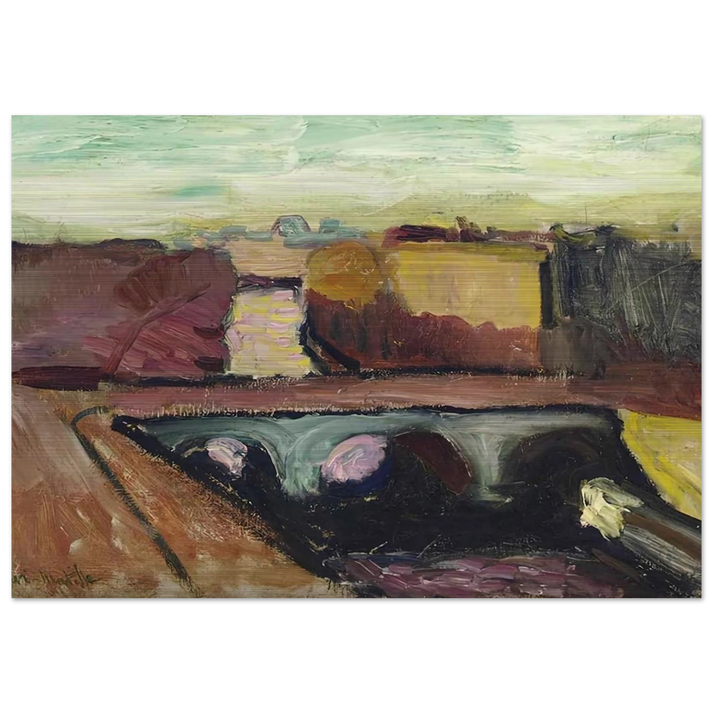
VUE DE LA SEINE LE PONT SAINT MICHEL 1904 - Henri Matisse Brushed Aluminum Print - 70x100 cm / 28x40 inches | Henri Matisse Aluminum Print | Henri Matisse Prints
VUE DE LA SEINE LE PONT SAINT MICHEL 1904 - Henri Matisse Brushed Aluminum Print - 70x100 cm / 28x40 inches | Henri Matisse Aluminum Print | Henri Matisse Prints
Couldn't load pickup availability
Vue de la Seine, le Pont Saint-Michel, 1904 by Henri Matisse
Experience the vibrant energy of early 20th-century Paris with this museum-quality reproduction of Henri Matisse's Vue de la Seine, le Pont Saint-Michel, 1904. This iconic scene captures the bustling life along the Seine River, showcasing Matisse's bold use of color and dynamic composition that defined the Fauvist movement. The artwork evokes a sense of urban vitality and artistic innovation, making it a timeless addition to any modern interior.
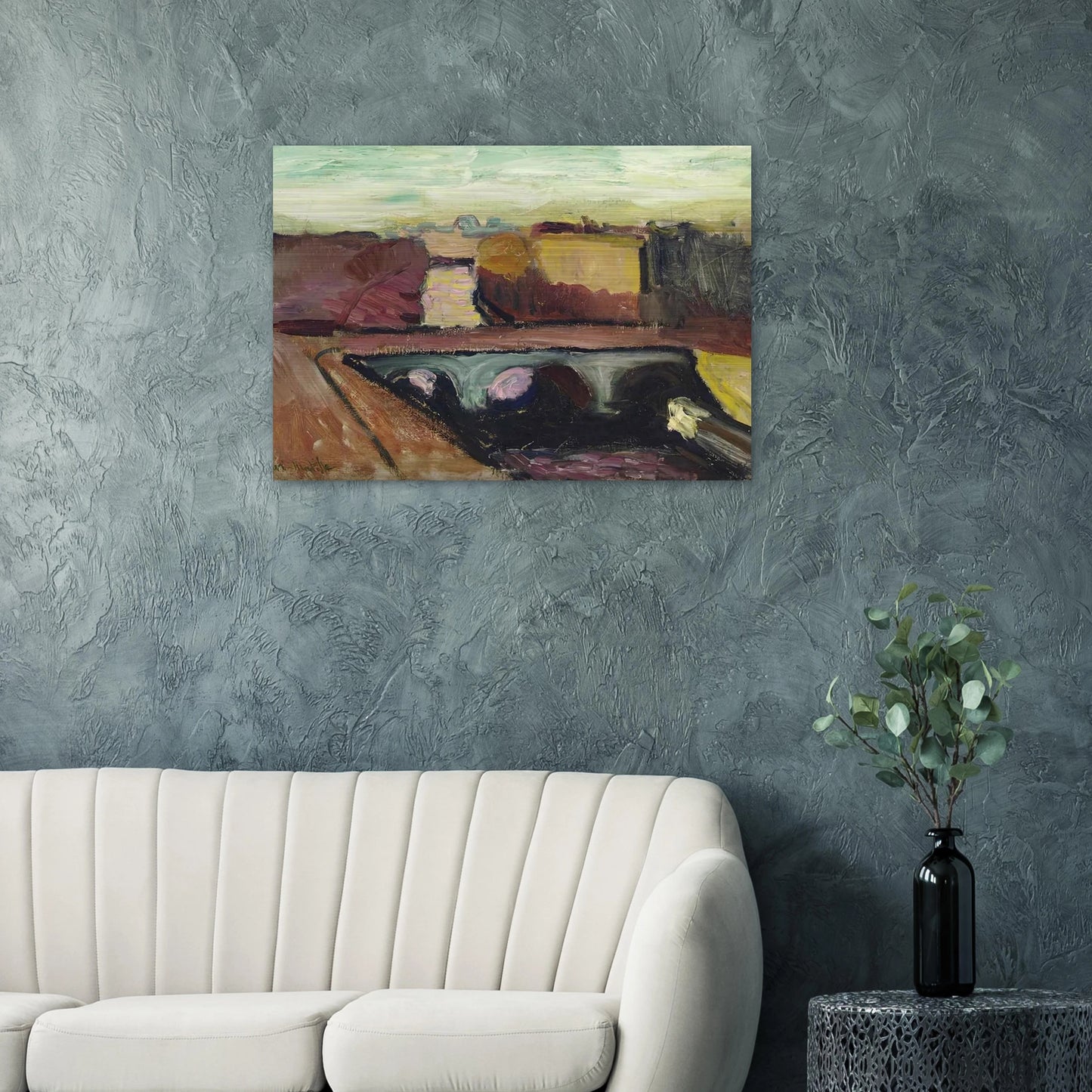
RedKalion presents this masterpiece as a premium brushed silver Aluminum DIBOND® print, measuring 70x100 cm (28x40 inches). The direct print on 3mm thick AluDibond ensures vivid, archival-grade colors with a matte, glare-free finish. Unprinted areas reveal a striking metallic silver effect, enhancing the artwork's contrast and depth. This durable, rigid base comes with a hanging kit for effortless display.
As a leader in fine art reproductions, RedKalion combines expert craftsmanship with historical accuracy. Matisse's work from this period often experimented with expressive brushstrokes and unconventional palettes, challenging traditional art norms. Our reproduction honors this legacy, offering an archival masterpiece that endures, perfect for elevating homes, offices, or galleries with a touch of Parisian elegance.


Discover Unlimited Art Possibilities
At RedKalion, you can find virtually any artwork from any artist, available in a wide range of sizes to perfectly match your space.
If you didn’t find what you’re looking for, contact us at support@redkalion.com . We will source any artwork and produce it in any size and format you need, including art prints, posters, canvas, framed pieces, framed canvas, and more.
For dedicated art enthusiasts, we also offer handcrafted replicas of any artwork, carefully painted by highly skilled artists using traditional techniques.
For custom requests, contact us at support@redkalion.com .
What are the specifications of this Henri Matisse aluminum print?
This print measures 70x100 cm (28x40 inches), made from brushed silver Aluminum DIBOND® with a 3mm thickness, direct printing for vivid colors, a matte finish, and includes a hanging kit for easy display.
How does the brushed aluminum enhance this Matisse artwork?
The brushed silver finish adds a dynamic metallic effect, with unprinted areas revealing silver for striking contrast, ideal for black-and-white designs and enhancing the artwork's modern appeal.
Yes, a hanging kit is included, though it may vary by fulfillment country to ensure secure installation for your museum-quality reproduction.
What makes this a museum-quality reproduction?
It uses archival-grade materials like Aluminum DIBOND® for durability, direct printing for color accuracy, and a matte finish to replicate the original's artistic integrity without glare.
How should I care for this aluminum print to ensure longevity?
Clean gently with a dry cloth, avoid direct sunlight and moisture, and it will maintain its vivid colors and metallic effect as a durable archival piece.
What historical significance does Vue de la Seine, le Pont Saint-Michel hold?
Painted in 1904, it reflects Henri Matisse's Fauvist style, using bold colors and expressive techniques to capture Parisian life, marking a shift towards modern art movements.
Why did Matisse choose this scene for his artwork?
Matisse was inspired by the vibrant energy of Paris, using the Pont Saint-Michel to explore light, movement, and urban dynamics in his early experimental period.