RedKalion
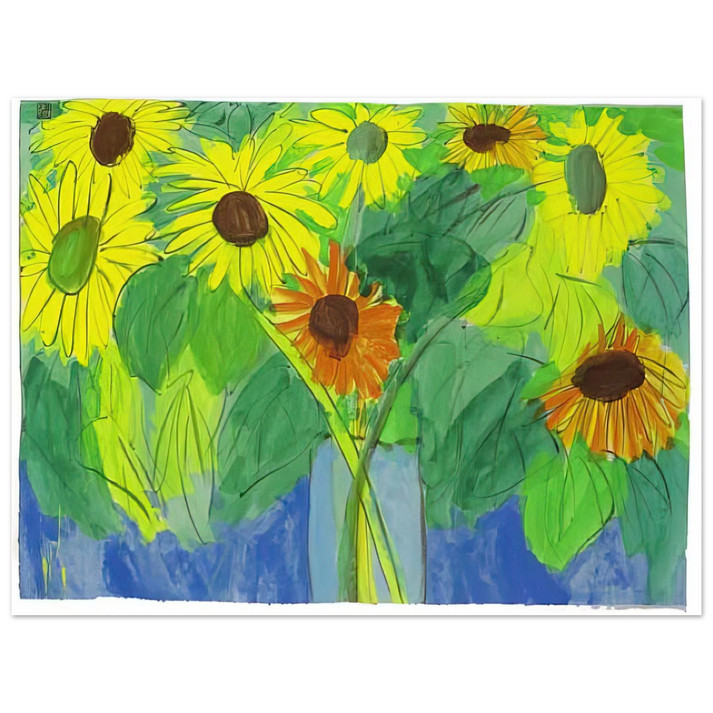
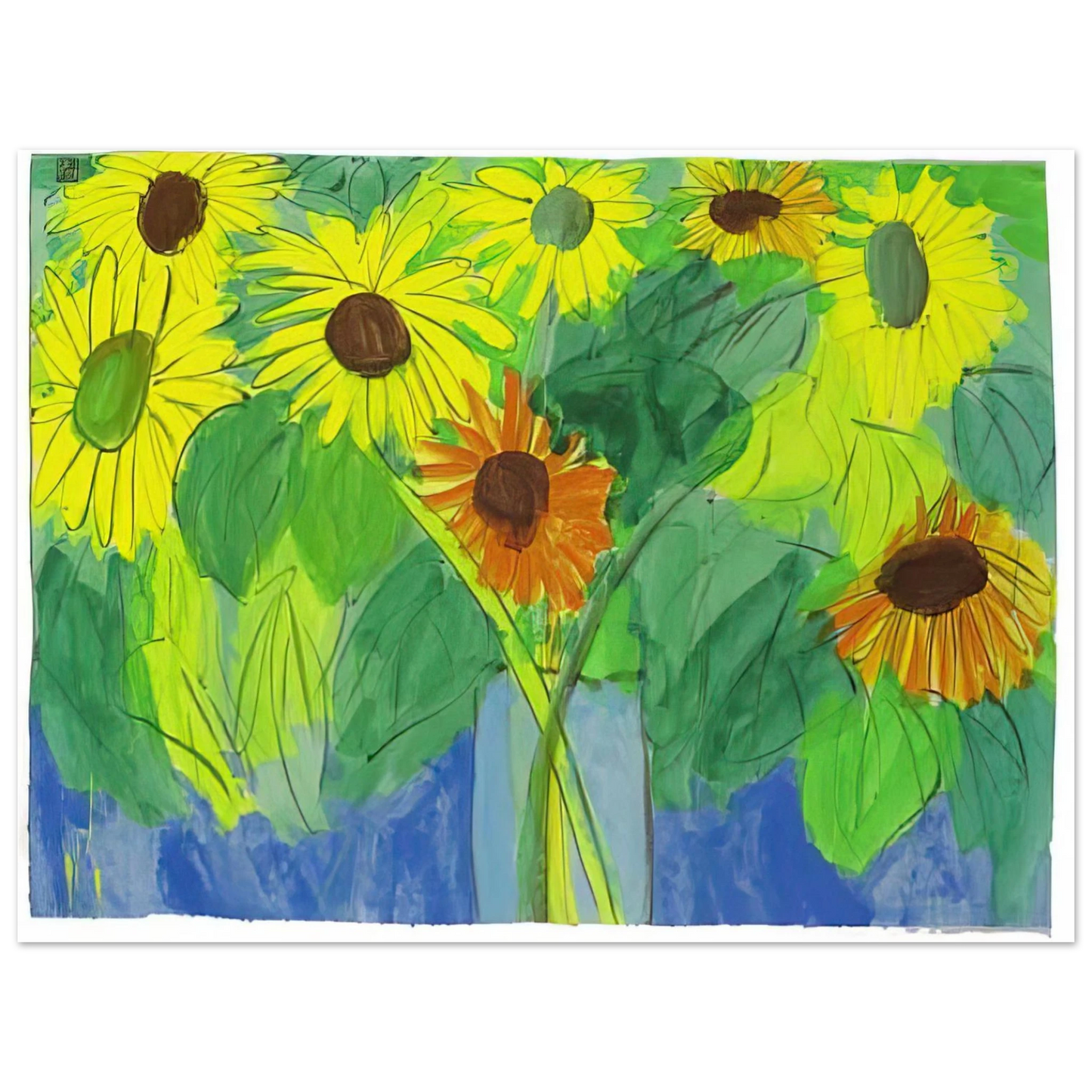
Walasse Ting - Orange and Yellow Sunflowers - Naïve Art Primitivism, Pop Art 75x100 cm / 30x40inches Fine Art Poster
Walasse Ting - Orange and Yellow Sunflowers - Naïve Art Primitivism, Pop Art 75x100 cm / 30x40inches Fine Art Poster
Couldn't load pickup availability
Walasse Ting - Orange and Yellow Sunflowers
Immerse yourself in the vibrant energy of Walasse Ting's Orange and Yellow Sunflowers, a stunning example of Naïve Art Primitivism infused with the bold spirit of Pop Art. This 75x100 cm (30x40 inches) fine art print captures the artist's unique fusion of Eastern calligraphic grace and Western expressive color, creating a joyful, sun-drenched composition that radiates warmth and optimism. Ting's work, celebrated for its raw emotional power and playful abstraction, transforms the classic sunflower motif into a dynamic celebration of life and color.
RedKalion presents this masterpiece as a museum-quality reproduction on our exclusive Master's Edition archival paper. The matte, uncoated finish in a natural white hue enhances the artwork's texture and depth, while the acid-free, FSC-certified paper ensures lasting vibrancy for generations. With a substantial 250 gsm weight and 0.29 mm thickness, this print offers a luxurious, gallery-ready presence that elevates any interior space.
As a trusted curator of archival-grade reproductions, we print and ship each order on demand, allowing you to acquire this iconic piece without compromise. Discover the enduring beauty of Walasse Ting's vision—a perfect addition to modern living rooms, creative studios, or offices seeking an infusion of artistic vitality.
Discover Unlimited Art Possibilities
At RedKalion, you can find virtually any artwork from any artist, available in a wide range of sizes to perfectly match your space.
If you didn’t find what you’re looking for, contact us at support@redkalion.com . We will source any artwork and produce it in any size and format you need, including art prints, posters, canvas, framed pieces, framed canvas, and more.
For dedicated art enthusiasts, we also offer handcrafted replicas of any artwork, carefully painted by highly skilled artists using traditional techniques.
For custom requests, contact us at support@redkalion.com .
What are the dimensions of this Walasse Ting fine art print?
This print measures 75x100 cm (30x40 inches), making it an ideal size for prominent wall display as a standalone piece or part of a curated gallery wall.
What type of paper is used for this museum-quality reproduction?
It's printed on Master's Edition archival paper, featuring a matte, uncoated finish in natural white for a luxurious texture that enhances the artwork's vibrant colors and details.
How durable and long-lasting is this print?
Our acid-free paper (pH above 7) prevents yellowing over time, ensuring the print maintains its vivid orange and yellow hues for decades as a lasting art investment.
What is the weight and thickness of the paper?
The paper is 250 gsm (110 lb) with a thickness of 0.29 mm (11.4 mils), providing a substantial, premium feel suitable for framing without additional backing.
How is the print shipped and are there minimum orders?
We print and ship on demand with no minimum orders, ensuring each Walasse Ting reproduction is crafted fresh and delivered securely to your doorstep.
What artistic style does Walasse Ting's Orange and Yellow Sunflowers represent?
This work blends Naïve Art Primitivism, known for its simple, childlike forms, with Pop Art's bold colors and contemporary energy, reflecting Ting's cross-cultural influences.
Why are sunflowers a significant motif in Walasse Ting's art?
Sunflowers symbolize joy and vitality in Ting's work, often used to express his optimistic worldview and bridge Eastern artistic traditions with Western modernism.