
RedKalion
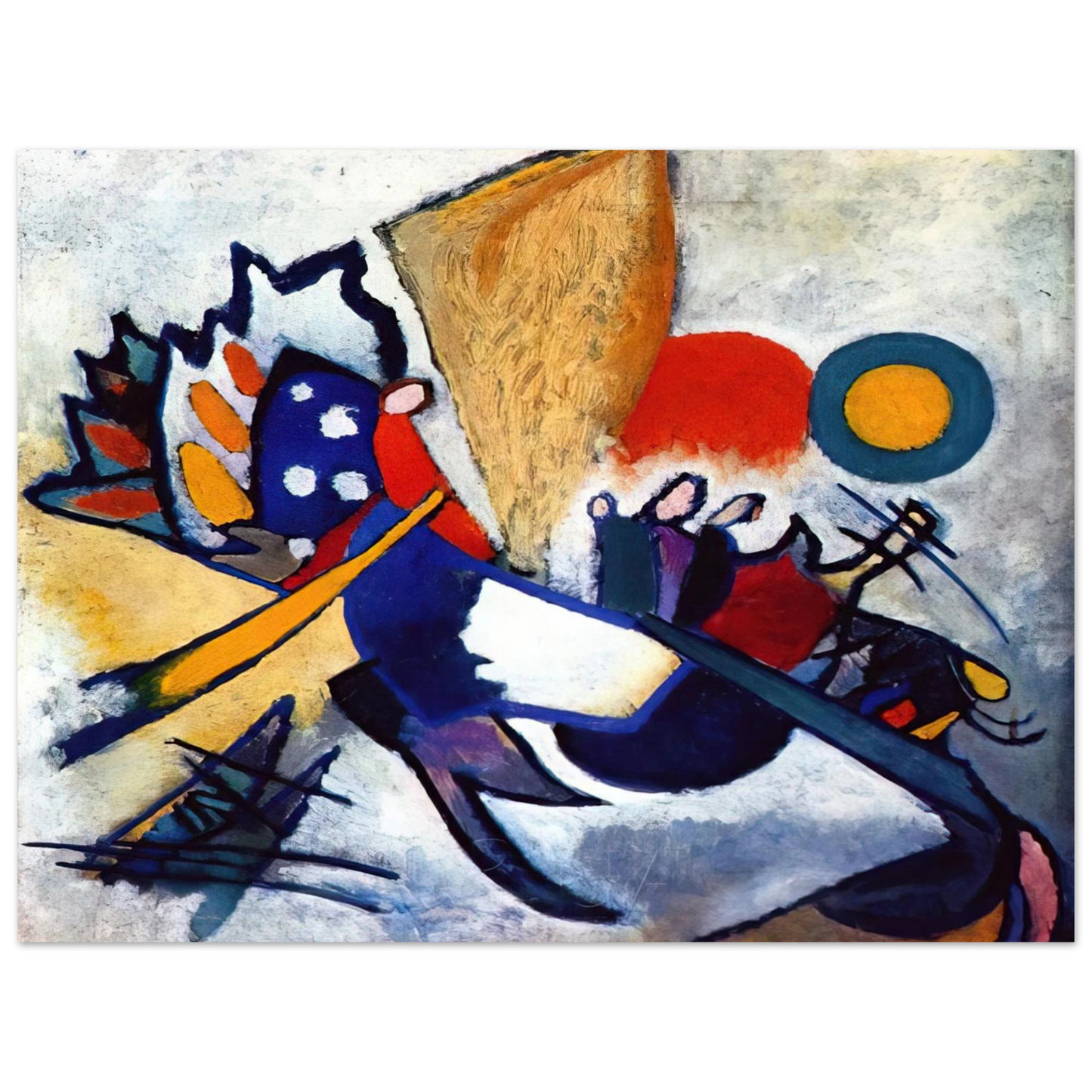
Wassily Kandinsky - IMPROVISATION 209 1917 75x100 cm / 30x40inches Fine Art Poster
Wassily Kandinsky - IMPROVISATION 209 1917 75x100 cm / 30x40inches Fine Art Poster
Couldn't load pickup availability
Wassily Kandinsky - IMPROVISATION 209 (1917) Fine Art Print
Immerse yourself in the groundbreaking vision of Wassily Kandinsky with this museum-quality reproduction of IMPROVISATION 209, created in 1917. As a pioneer of abstract art, Kandinsky's work from this period represents a bold departure from representational forms, exploring pure color, geometric shapes, and emotional expression. This piece, measuring 75x100 cm (30x40 inches), captures the dynamic energy and spiritual depth that defined his revolutionary approach, making it a timeless addition to any art collection.
RedKalion presents this archival-grade fine art print on our exclusive Master's Edition paper, ensuring every detail—from the vibrant hues to the intricate compositions—is reproduced with unparalleled fidelity. The matte, uncoated finish on natural white (off-white) paper enhances the luxurious texture, while the acid-free (pH above 7) and FSC-certified materials guarantee longevity and sustainability. With a substantial weight of 250 gsm (110 lb) and a thickness of 0.29 mm (11.4 mils), this print offers a premium feel that rivals original artworks.
Elevate your space with a piece that not only decorates but inspires, backed by RedKalion's commitment to archival excellence and on-demand fulfillment for a seamless acquisition experience.
Discover Unlimited Art Possibilities
At RedKalion, you can find virtually any artwork from any artist, available in a wide range of sizes to perfectly match your space.
If you didn’t find what you’re looking for, contact us at support@redkalion.com . We will source any artwork and produce it in any size and format you need, including art prints, posters, canvas, framed pieces, framed canvas, and more.
For dedicated art enthusiasts, we also offer handcrafted replicas of any artwork, carefully painted by highly skilled artists using traditional techniques.
For custom requests, contact us at support@redkalion.com .
What is the historical significance of Wassily Kandinsky's IMPROVISATION 209 (1917)?
Created during World War I, IMPROVISATION 209 reflects Kandinsky's shift toward geometric abstraction and spiritual expression, marking a key moment in the development of modern abstract art as he explored non-representational forms and emotional depth.
How does the paper quality ensure this fine art print is museum-quality?
Our Master's Edition archival paper is acid-free (pH above 7), FSC-certified, and features a matte, uncoated finish on natural white paper, providing a luxurious texture and preventing yellowing over time for a durable, premium reproduction.
What are the exact dimensions and materials of this Kandinsky print?
This print measures 75x100 cm (30x40 inches) on 250 gsm (110 lb) paper with a thickness of 0.29 mm (11.4 mils), using archival-grade, acid-free materials to ensure long-lasting vibrancy and quality.
How is shipping handled for this on-demand fine art poster?
We print and ship on demand with no minimum orders, ensuring careful packaging and efficient delivery to preserve the museum-quality condition of your Kandinsky reproduction.
What makes this reproduction archival and sustainable?
It uses acid-free, FSC-certified paper that resists yellowing and degradation, supporting environmental sustainability while maintaining the artwork's integrity for generations.
How did Kandinsky's technique in 1917 influence abstract art?
In 1917, Kandinsky employed bold colors and geometric shapes to convey inner emotions, pioneering a language of abstraction that inspired future movements and emphasized spiritual over visual realism.
Why is the matte finish preferred for this Kandinsky print?
The matte, uncoated finish reduces glare and enhances color depth, mimicking the texture of original artworks and providing a sophisticated, gallery-like presentation for IMPROVISATION 209.