
RedKalion
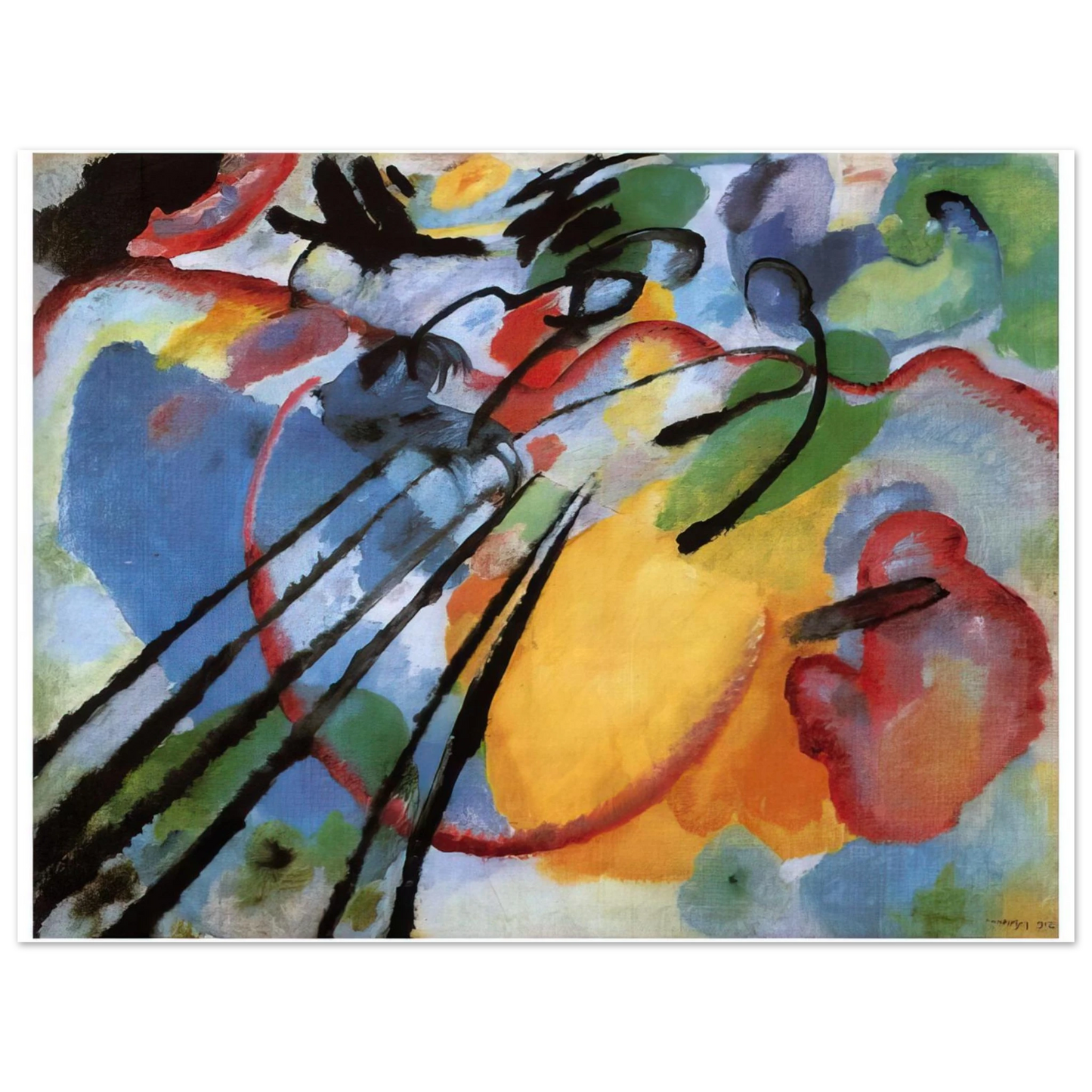
Wassily Kandinsky - IMPROVISATION 26 ROWING 1912 75x100 cm / 30x40inches Fine Art Poster
Wassily Kandinsky - IMPROVISATION 26 ROWING 1912 75x100 cm / 30x40inches Fine Art Poster
Couldn't load pickup availability
Wassily Kandinsky - IMPROVISATION 26 ROWING 1912 Fine Art Print
Immerse yourself in the revolutionary spirit of abstract art with this museum-quality reproduction of Wassily Kandinsky's IMPROVISATION 26 ROWING (1912). As a pioneering figure in the Expressionist movement, Kandinsky's work in this series marks a pivotal shift toward pure abstraction, where color and form convey emotion and spiritual resonance beyond representational imagery. This piece, measuring 75x100 cm (30x40 inches), captures the dynamic interplay of geometric shapes and vibrant hues that evoke a sense of rhythmic motion and inner harmony, making it a timeless centerpiece for any sophisticated interior.
RedKalion presents this archival masterpiece on our exclusive Master's Edition archival paper, ensuring a luxurious matte finish with an uncoated, natural white surface that enhances texture and depth. Crafted from FSC-certified, acid-free materials with a pH above 7, this print is designed to resist yellowing and maintain its brilliance for generations. With a substantial weight of 250 gsm (110 lb) and a thickness of 0.29 mm (11.4 mils), it offers a premium feel that rivals original artworks. Each print is produced on-demand, allowing for personalized fulfillment without minimum orders, and shipped with care to elevate your space with enduring elegance.
Did you know? Kandinsky's "Improvisations" were inspired by his belief in the spiritual power of art, often likening his compositions to musical scores—where colors and lines create symphonies for the eyes. This insight into his technique underscores the profound emotional impact of IMPROVISATION 26 ROWING, making it more than just a visual statement but a curated experience in abstract expressionism.
Discover Unlimited Art Possibilities
At RedKalion, you can find virtually any artwork from any artist, available in a wide range of sizes to perfectly match your space.
If you didn’t find what you’re looking for, contact us at support@redkalion.com . We will source any artwork and produce it in any size and format you need, including art prints, posters, canvas, framed pieces, framed canvas, and more.
For dedicated art enthusiasts, we also offer handcrafted replicas of any artwork, carefully painted by highly skilled artists using traditional techniques.
For custom requests, contact us at support@redkalion.com .
What is the historical significance of Wassily Kandinsky's IMPROVISATION 26 ROWING?
Created in 1912, this artwork is part of Kandinsky's groundbreaking Improvisation series, which marked his transition toward pure abstraction in the Expressionist movement, emphasizing emotional and spiritual expression through color and form.
How does the paper quality ensure this is a museum-quality reproduction?
Our Master's Edition archival paper features a matte, uncoated finish on natural white stock, with acid-free properties (pH above 7) to prevent yellowing, offering a luxurious texture akin to fine art originals.
What are the exact dimensions and materials of this fine art print?
This print measures 75x100 cm (30x40 inches) and is produced on FSC-certified, 250 gsm (110 lb) paper with a thickness of 0.29 mm (11.4 mils) for durability and premium feel.
How is the print shipped and is there a minimum order requirement?
We offer on-demand printing with no minimum orders, and each piece is carefully packaged and shipped directly to ensure it arrives in pristine condition for your home or office.
What makes this print archival and long-lasting?
Using acid-free, pH-balanced paper and sustainable FSC-certified materials, this reproduction is designed to resist fading and deterioration, preserving its vibrant colors for decades.
Can you explain the symbolism in IMPROVISATION 26 ROWING?
Kandinsky used geometric shapes and bold colors in this piece to symbolize rhythmic motion and spiritual harmony, drawing inspiration from music to create an abstract visual symphony.
Why did Kandinsky choose the title "IMPROVISATION 26 ROWING" for this artwork?
The title reflects Kandinsky's musical analogy, with "Improvisation" indicating spontaneous creation and "Rowing" suggesting fluid, repetitive movement, mirroring the compositional flow in his abstract style.