
RedKalion
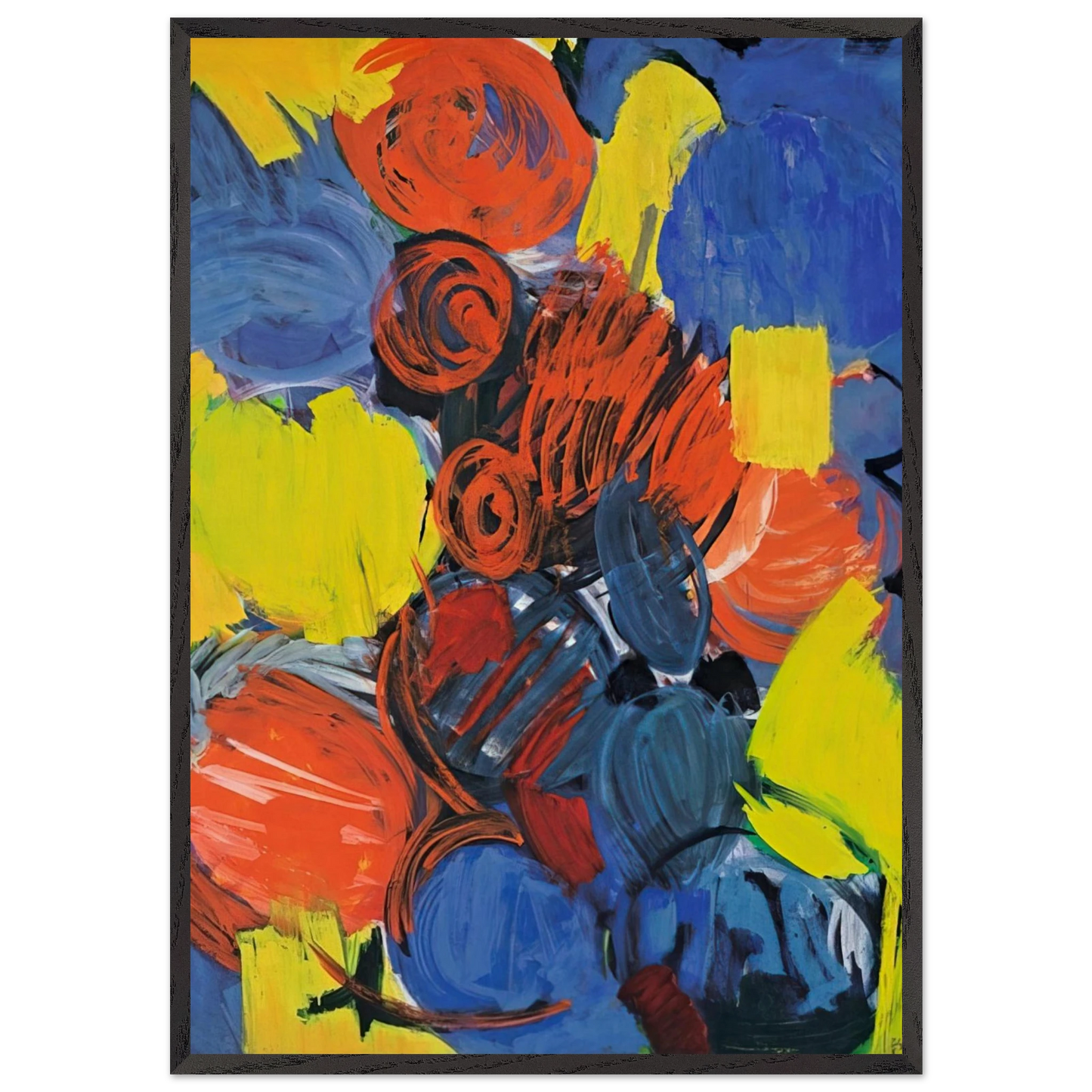
Weizengelb - 1962 - Ernst Wilhelm Nay 70x100 cm / 28x40 inches Framed Art Print – Black Wooden Frame
Weizengelb - 1962 - Ernst Wilhelm Nay 70x100 cm / 28x40 inches Framed Art Print – Black Wooden Frame
Couldn't load pickup availability
Weizengelb - 1962 by Ernst Wilhelm Nay
Immerse yourself in the vibrant abstraction of Ernst Wilhelm Nay's Weizengelb - 1962, a masterful print that captures the artist's pioneering exploration of color and form. This museum-quality reproduction brings the dynamic energy of mid-20th-century German art into your space, rendered on premium archival paper for lasting brilliance.
Nay, a key figure in post-war abstraction, developed his distinctive "disk paintings" in the 1960s, using bold, rhythmic shapes to evoke emotional and spiritual resonance. Weizengelb (Wheat Yellow) exemplifies this period, with its luminous yellow hues and organic circular motifs dancing across the canvas, inviting contemplation and joy.
This framed art print is presented in a sleek black wooden frame crafted from responsibly sourced oak and ash wood, measuring 20mm thick for a substantial, gallery-worthy presence. The print itself is produced on 250 gsm (110 lb) matte, uncoated paper—a natural white, FSC-certified material that ensures archival longevity. Protected by shatterproof plexiglass, it arrives ready-to-hang with a complete hanging kit, allowing you to elevate your decor instantly.
- Artwork: Weizengelb - 1962 by Ernst Wilhelm Nay
- Print Size: 70x100 cm / 28x40 inches
- Frame: Black wooden frame (oak/ash, 20mm thick)
- Paper: 250 gsm matte archival paper, FSC-certified
- Protection: Shatterproof plexiglass
- Ready-to-Hang: Includes hanging kit
At RedKalion, we specialize in fine art prints that blend historical authenticity with impeccable craftsmanship. Trust in our expertise to deliver a reproduction that honors Nay's legacy while enhancing your home or office with timeless elegance.
Discover Unlimited Art Possibilities
At RedKalion, you can find virtually any artwork from any artist, available in a wide range of sizes to perfectly match your space.
If you didn’t find what you’re looking for, contact us at support@redkalion.com . We will source any artwork and produce it in any size and format you need, including art prints, posters, canvas, framed pieces, framed canvas, and more.
For dedicated art enthusiasts, we also offer handcrafted replicas of any artwork, carefully painted by highly skilled artists using traditional techniques.
For custom requests, contact us at support@redkalion.com .
What are the dimensions of this framed Ernst Wilhelm Nay print?
The framed print measures 70x100 cm (28x40 inches), with a black wooden frame that is 20mm (0.79") thick and wide, offering a substantial gallery-style presentation.
What type of paper is used for this museum-quality reproduction?
It uses 250 gsm (110 lb) matte, uncoated archival paper, 0.29 mm thick, made from FSC-certified sustainable materials for long-lasting fine art prints.
Is this framed art print ready to hang?
Yes, it includes a hanging kit and is ready-to-hang directly on your wall, with shatterproof plexiglass protection for safe display.
How does the frame enhance this Ernst Wilhelm Nay artwork?
The black wooden frame, made from responsibly sourced oak and ash, is 20mm thick—wider than classic frames—adding a modern, durable accent to Nay's vibrant abstraction.
Is this print archival and suitable for long-term display?
Absolutely, it features archival museum-quality paper and shatterproof plexiglass, ensuring resistance to fading and damage for enduring beauty.
What is the historical significance of Weizengelb - 1962 by Ernst Wilhelm Nay?
Created in 1962, this work is part of Nay's "disk painting" series, showcasing his use of bold colors and circular forms to explore emotional abstraction in post-war German art.
How does the color 'Weizengelb' (Wheat Yellow) influence the artwork's mood?
The luminous yellow hues evoke warmth and vitality, characteristic of Nay's focus on color as a primary emotional and spiritual element in his abstract compositions.