

RedKalion
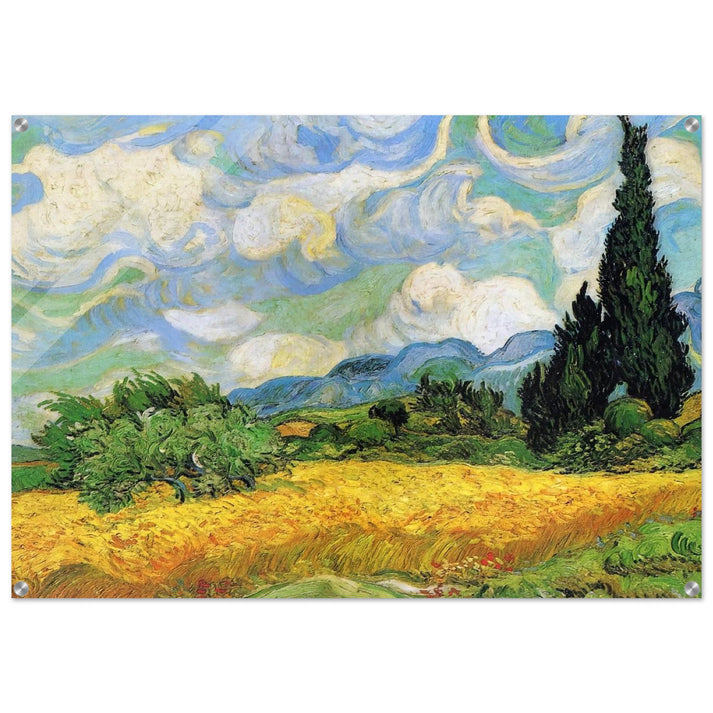
Wheat Field with Cypresses at the Haude Galline near Eygalieres - Vincent van Gogh Acrylic Print - 70x100 cm / 28x40″ inches
Wheat Field with Cypresses at the Haude Galline near Eygalieres - Vincent van Gogh Acrylic Print - 70x100 cm / 28x40″ inches
Couldn't load pickup availability
Wheat Field with Cypresses at the Haude Galline near Eygalieres - Vincent van Gogh Acrylic Print
Immerse yourself in the swirling energy of Provence with this museum-quality acrylic print of Vincent van Gogh's "Wheat Field with Cypresses at the Haude Galline near Eygalieres". Created in 1889 during his transformative stay at the Saint-Paul-de-Mausole asylum, this masterpiece captures the artist's profound connection to the southern French landscape. Van Gogh's signature impasto technique—thick, expressive brushstrokes loaded with vibrant oil paint—translates beautifully onto our premium 4mm acrylic, ensuring every dynamic swirl of the cypress trees and golden wheat field is rendered with stunning clarity and depth.
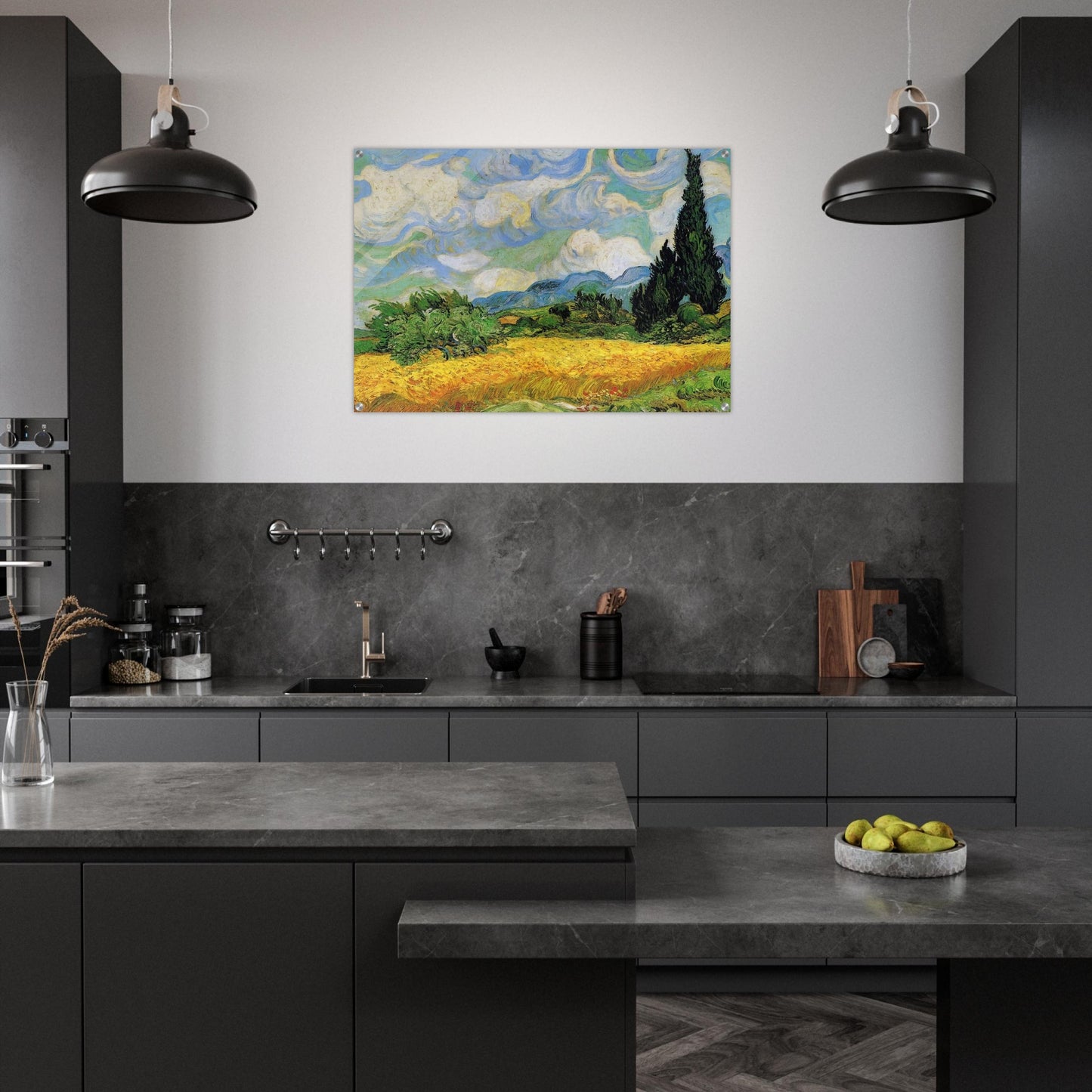
This fine art reproduction measures 70x100 cm (28x40 inches), offering a commanding presence in any interior. The archival-grade acrylic surface not only protects against UV light and fading but also enhances color saturation, delivering the luminous blues and yellows that define Van Gogh's late period. With straight-cut corners for a sleek, modern aesthetic and a default white background for optimal contrast, this piece arrives ready to elevate your home or office as a timeless conversation starter.
RedKalion specializes in curating archival-grade reproductions that honor the artist's original vision. Each print is crafted using state-of-the-art digital imaging and high-density acrylic to ensure longevity and visual impact. Elevate your space with an enduring masterpiece that brings the passion of Post-Impressionism into your daily life.


Discover Unlimited Art Possibilities
At RedKalion, you can find virtually any artwork from any artist, available in a wide range of sizes to perfectly match your space.
If you didn’t find what you’re looking for, contact us at support@redkalion.com . We will source any artwork and produce it in any size and format you need, including art prints, posters, canvas, framed pieces, framed canvas, and more.
For dedicated art enthusiasts, we also offer handcrafted replicas of any artwork, carefully painted by highly skilled artists using traditional techniques.
For custom requests, contact us at support@redkalion.com .
What are the dimensions and material of this Van Gogh acrylic print?
This museum-quality reproduction measures 70x100 cm (28x40 inches) and is printed on 4mm (0.15") premium acrylic for a vibrant, durable finish that enhances color saturation and protects against fading.
How is the acrylic print mounted and hung?
It features straight-cut corners for a modern look and includes a complete hanging kit with hardware, screws, and pre-drilled holes (14mm from the edge, 8mm diameter) for easy, secure installation on any wall.
Is the background of the print transparent or white?
For optimal presentation, transparent backgrounds default to white, ensuring the wheat field and cypresses stand out with maximum contrast and clarity in your space.
How durable and archival is this acrylic fine art print?
Crafted with UV-resistant, archival-grade acrylic, this reproduction offers long-lasting vibrancy and protection against environmental damage, making it a lasting investment for art lovers.
What is the shipping and handling process for this item?
We carefully package each print with protective materials and offer reliable global shipping; delivery times vary by location, with tracking provided for all orders.
What is the historical significance of this Van Gogh painting?
Painted in 1889 near Eygalieres, this work reflects Van Gogh's intense emotional state and innovative use of impasto brushstrokes to depict the Provençal landscape during his asylum period.
Why did Van Gogh choose cypress trees and wheat fields as subjects?
Cypresses symbolized eternity and the wheat field represented life's cycles to Van Gogh, combining in this piece to express his fascination with nature's spiritual and dynamic qualities.