

RedKalion
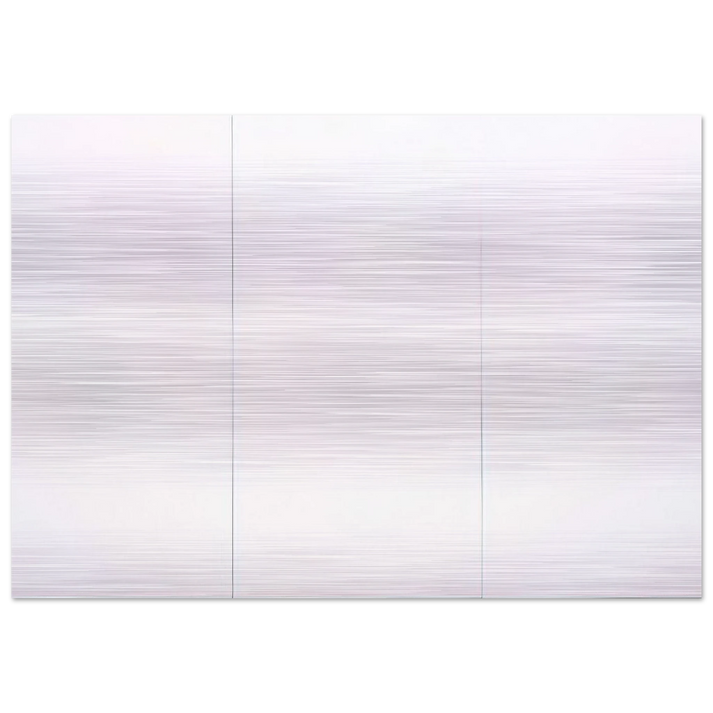
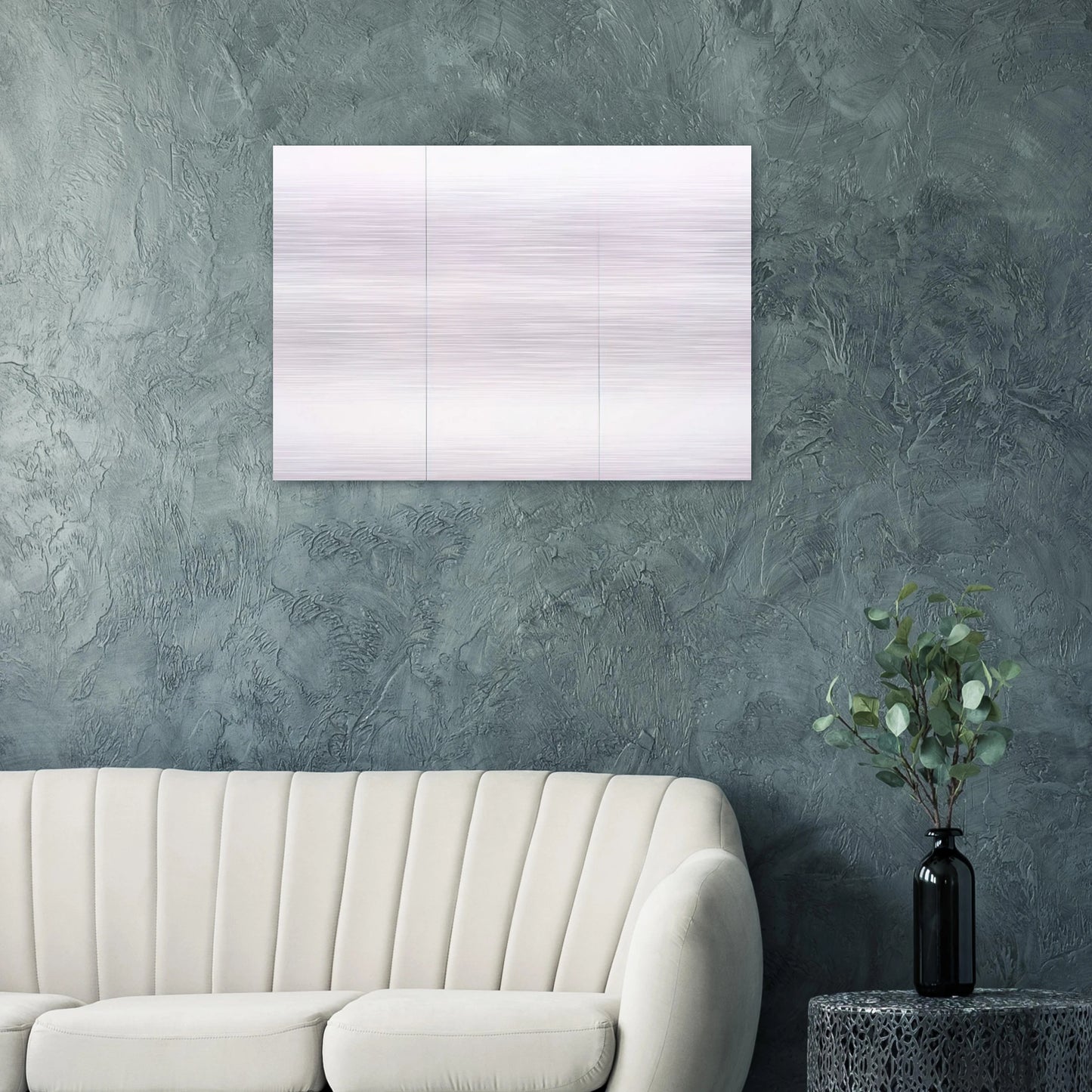
WHITE PAINTING THREE PANEL 1951 - Robert Rauschenberg Brushed Aluminum Print - 70x100 cm / 28x40 inches | Robert Rauschenberg Aluminum Print | Robert Rauschenberg Prints
WHITE PAINTING THREE PANEL 1951 - Robert Rauschenberg Brushed Aluminum Print - 70x100 cm / 28x40 inches | Robert Rauschenberg Aluminum Print | Robert Rauschenberg Prints
Couldn't load pickup availability
White Painting (Three Panel) 1951 by Robert Rauschenberg
Introducing a museum-quality reproduction of Robert Rauschenberg's groundbreaking White Painting (Three Panel) 1951, a seminal work from the Neo-Dada movement that redefined the boundaries of abstract art. This archival-grade brushed aluminum print captures the minimalist purity and conceptual depth of the original, offering a striking addition to any contemporary space.
Rauschenberg's White Painting series, created in 1951, is celebrated for its radical simplicity and exploration of monochrome aesthetics. Comprising three pristine white panels, this work challenges traditional notions of painting by emphasizing texture, light, and viewer perception over color and imagery. As a precursor to Minimalism and Conceptual Art, it reflects Rauschenberg's innovative spirit and his influence on artists like John Cage and the Fluxus movement. This piece evokes a serene, contemplative mood, inviting introspection and dialogue in modern interiors.
RedKalion's premium reproduction is crafted on brushed silver Aluminum DIBOND® with a 3mm thickness for a durable, rigid base that ensures longevity. The direct print on AluDibond delivers vivid, fade-resistant colors with a matte, glare-free finish, while unprinted white areas reveal a dynamic metallic silver effect with a horizontal grain. This combination enhances the artwork's minimalist aesthetic, making it ideal for black-and-white designs. Each print includes a hanging kit for easy installation, tailored to your fulfillment country.
Elevate your space with an archival masterpiece that endures, blending art historical significance with cutting-edge material quality. Trust RedKalion for authentic, expertly curated reproductions that honor the legacy of iconic artists like Robert Rauschenberg.


Discover Unlimited Art Possibilities
At RedKalion, you can find virtually any artwork from any artist, available in a wide range of sizes to perfectly match your space.
If you didn’t find what you’re looking for, contact us at support@redkalion.com . We will source any artwork and produce it in any size and format you need, including art prints, posters, canvas, framed pieces, framed canvas, and more.
For dedicated art enthusiasts, we also offer handcrafted replicas of any artwork, carefully painted by highly skilled artists using traditional techniques.
For custom requests, contact us at support@redkalion.com .
What are the dimensions of this Robert Rauschenberg aluminum print?
This fine art print measures 70x100 cm (28x40 inches), offering a substantial presence for display in homes or offices as a museum-quality reproduction.
What material is used for this brushed aluminum print?
It is crafted on brushed silver Aluminum DIBOND® with a 3mm thickness, providing a durable, rigid base and a metallic finish with horizontal grain for dynamic visual appeal.
How is the print applied to ensure quality?
The print is directly applied to AluDibond, resulting in vivid colors and a matte finish, with unprinted white areas showcasing a striking metallic silver effect for archival longevity.
Is a hanging kit included with this artwork?
Yes, a hanging kit is included; it varies by fulfillment country to ensure secure and easy installation for your Robert Rauschenberg prints.
How does the finish enhance this black-and-white design?
The matte, glare-free finish is ideal for black-and-white designs, minimizing reflections and highlighting the brushed silver effect for a sophisticated look.
What is the historical significance of White Painting (Three Panel) 1951?
Created in 1951, this work is a key Neo-Dada piece that influenced Minimalism by using monochrome panels to explore light, texture, and viewer perception in abstract art.
Why did Rauschenberg choose a white monochrome for this series?
Rauschenberg used white to challenge traditional painting, emphasizing conceptual depth and allowing shadows and ambient light to interact dynamically with the surface.