
RedKalion
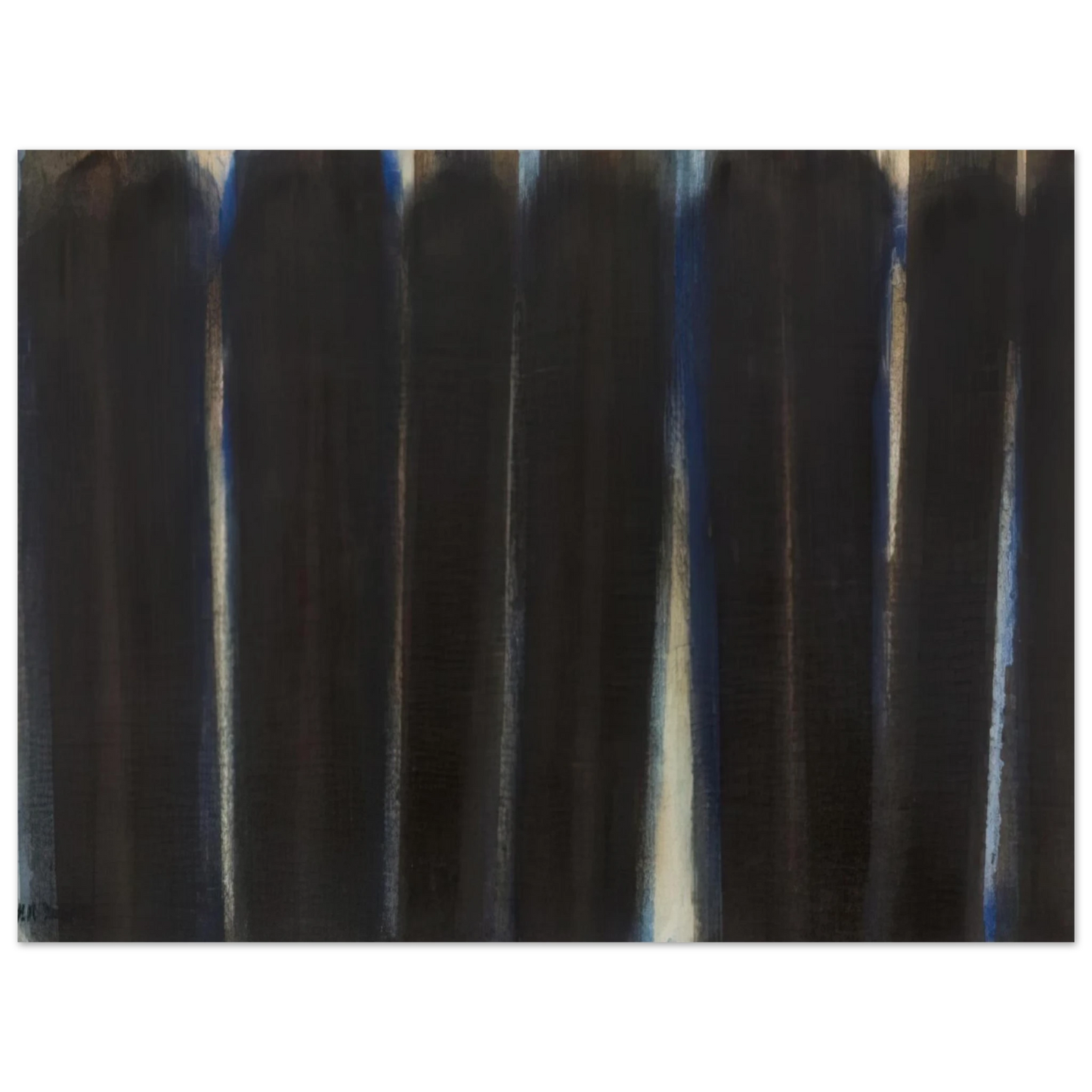
Yun Hyong-keun - Burnt Umber and Ultramarine - 1973 75x100 cm / 30x40inches Fine Art Poster
Yun Hyong-keun - Burnt Umber and Ultramarine - 1973 75x100 cm / 30x40inches Fine Art Poster
Couldn't load pickup availability
Yun Hyong-keun - Burnt Umber and Ultramarine (1973) - Museum-Quality Fine Art Print
Immerse yourself in the profound minimalism of Yun Hyong-keun's Burnt Umber and Ultramarine, a 1973 masterpiece that captures the essence of the Korean Dansaekhwa movement. This iconic work, measuring 75x100 cm (30x40 inches), features the artist's signature use of earth pigments—burnt umber and ultramarine—applied in layered, meditative strokes that evoke the raw beauty of nature and spiritual contemplation. Yun's technique, involving repeated soaking and drying of hanji (traditional Korean paper), creates a textured, almost geological surface that invites deep reflection. At RedKalion, we honor this legacy with a fine art poster reproduction crafted on our exclusive Master's Edition archival paper, ensuring every subtle nuance of the original is preserved for your space.
Our museum-quality reproduction is printed on a matte, uncoated, natural white (off-white) paper with a luxurious texture that mimics the tactile feel of hanji. The 250 gsm (110 lb) weight and 0.29 mm (11.4 mils) thickness provide a substantial, gallery-ready presence, while the acid-free composition (pH above 7) guarantees it resists yellowing over decades. Made from FSC-certified sustainable sources, this print is a testament to both artistic and environmental integrity. Printed and shipped on demand with no minimum orders, it offers a seamless way to elevate your home or office with an archival masterpiece that endures.
- Dimensions: 75x100 cm / 30x40 inches
- Paper: Master's Edition archival paper, museum-quality
- Finish: Matte, uncoated, natural white (off-white) for a luxurious texture
- Longevity: Acid-free (pH above 7) to prevent yellowing over time
- Weight & Thickness: 250 gsm (110 lb), Thickness: 0.29 mm (11.4 mils)
- Sustainability: FSC-certified paper
- Fulfillment: No minimum orders, printed and shipped on demand
Discover Unlimited Art Possibilities
At RedKalion, you can find virtually any artwork from any artist, available in a wide range of sizes to perfectly match your space.
If you didn’t find what you’re looking for, contact us at support@redkalion.com . We will source any artwork and produce it in any size and format you need, including art prints, posters, canvas, framed pieces, framed canvas, and more.
For dedicated art enthusiasts, we also offer handcrafted replicas of any artwork, carefully painted by highly skilled artists using traditional techniques.
For custom requests, contact us at support@redkalion.com .
What is the significance of Yun Hyong-keun's Burnt Umber and Ultramarine in art history?
This 1973 work is a key piece of the Korean Dansaekhwa movement, using earth pigments like burnt umber and ultramarine to explore minimalism and spiritual depth through layered, meditative techniques on hanji paper.
How does the Master's Edition archival paper enhance this fine art print?
Our museum-quality paper features a matte, uncoated, natural white finish with 250 gsm weight and acid-free composition, ensuring the textured nuances of Yun Hyong-keun's original are preserved without yellowing over time.
What are the dimensions and details of this Yun Hyong-keun reproduction?
This fine art poster measures 75x100 cm (30x40 inches) and is printed on FSC-certified sustainable paper, offering a durable, gallery-ready display for your space.
How is this print shipped and what is the fulfillment process?
We print and ship on demand with no minimum orders, using secure packaging to deliver your museum-quality reproduction directly to your door.
Why is the acid-free paper important for long-term display?
Acid-free paper (pH above 7) prevents yellowing and degradation, ensuring this archival print maintains its vibrant burnt umber and ultramarine colors for decades.
What techniques did Yun Hyong-keun use in creating this artwork?
Yun employed a unique method of soaking and drying hanji paper with earth pigments, resulting in layered, textured strokes that evoke natural elements and contemplative moods.
How does this reproduction compare to the original 1973 painting?
Our museum-quality print captures the subtle textures and color depths of Yun's original, using high-resolution imaging and archival materials to offer an authentic viewing experience.