
RedKalion
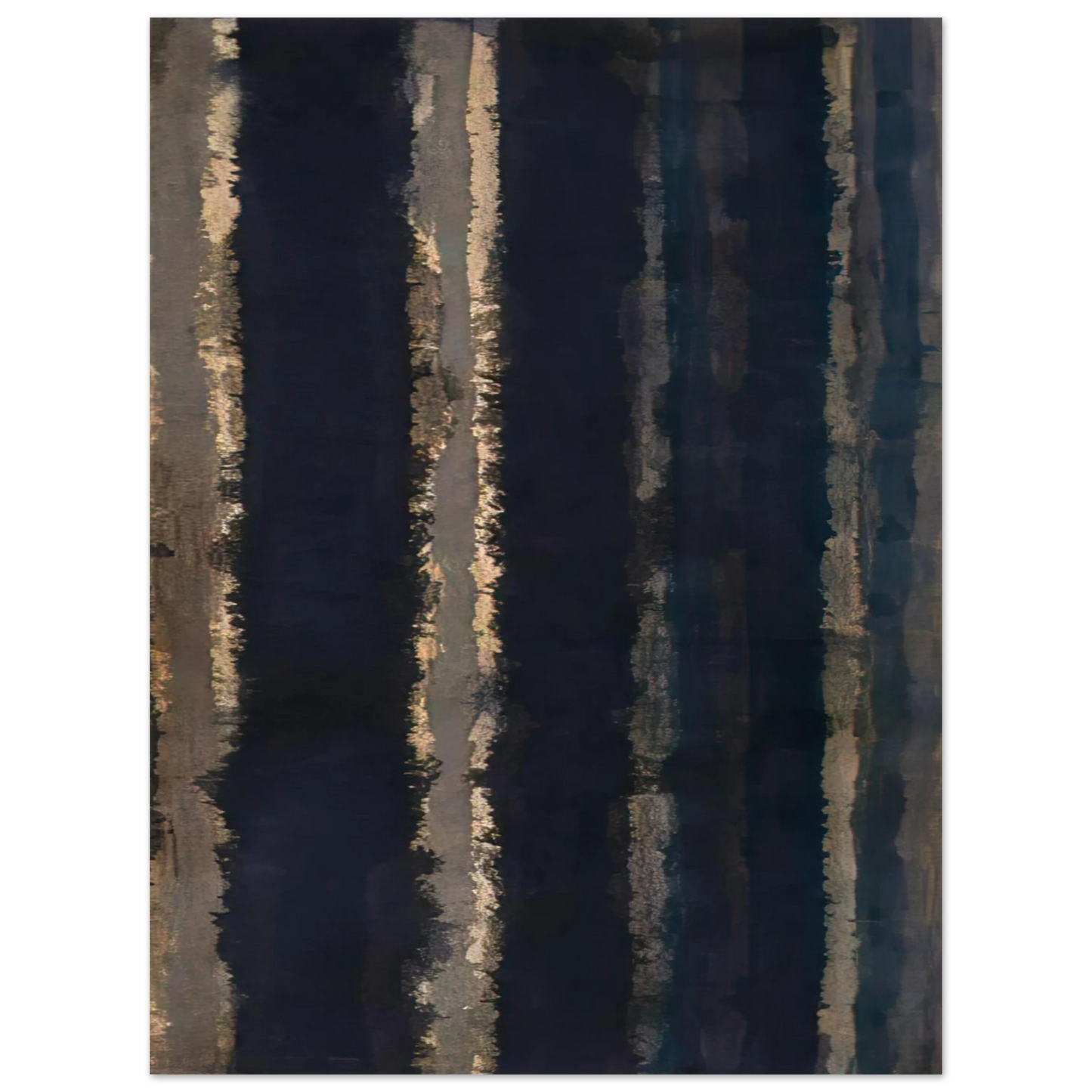
Yun Hyong-keun - Burnt Umber and Ultramarine - 1978 75x100 cm / 30x40inches Fine Art Poster
Yun Hyong-keun - Burnt Umber and Ultramarine - 1978 75x100 cm / 30x40inches Fine Art Poster
Couldn't load pickup availability
Yun Hyong-keun - Burnt Umber and Ultramarine - 1978 Fine Art Print
Immerse yourself in the profound minimalism of Yun Hyong-keun's Burnt Umber and Ultramarine, a 1978 masterpiece that captures the essence of the Korean Dansaekhwa movement. This museum-quality fine art print reproduces the original's 75x100 cm (30x40 inches) scale, allowing you to experience the artist's meditative exploration of earth and sky through rich, layered pigments. Yun's technique, involving repeated applications of burnt umber and ultramarine on raw canvas, creates a textured, almost geological surface that evokes tranquility and depth—a testament to his philosophy of "monochrome abstraction" as a spiritual practice.
RedKalion presents this archival reproduction on our exclusive Master's Edition paper, chosen for its exceptional fidelity to Yun's original hues. The matte, uncoated finish and natural white (off-white) base enhance the artwork's luxurious texture, mirroring the tactile quality of the 1978 piece. Printed on demand with no minimum orders, each fine art poster is crafted from FSC-certified, acid-free paper (pH above 7) to ensure longevity without yellowing. With a substantial weight of 250 gsm (110 lb) and thickness of 0.29 mm (11.4 mils), this print offers a premium, gallery-ready presence that elevates any space with enduring elegance.
As a trusted curator of archival-grade reproductions, RedKalion brings this iconic work into your home, preserving the legacy of Yun Hyong-keun—a pioneer whose art bridges Eastern tradition and modern abstraction. Elevate your environment with a piece that inspires contemplation and sophistication, backed by our commitment to sustainable, museum-quality craftsmanship.
Discover Unlimited Art Possibilities
At RedKalion, you can find virtually any artwork from any artist, available in a wide range of sizes to perfectly match your space.
If you didn’t find what you’re looking for, contact us at support@redkalion.com . We will source any artwork and produce it in any size and format you need, including art prints, posters, canvas, framed pieces, framed canvas, and more.
For dedicated art enthusiasts, we also offer handcrafted replicas of any artwork, carefully painted by highly skilled artists using traditional techniques.
For custom requests, contact us at support@redkalion.com .
What are the dimensions of this Yun Hyong-keun fine art print?
This museum-quality reproduction measures 75x100 cm (30x40 inches), matching the original 1978 artwork's scale for an authentic display.
What type of paper is used for this archival print?
It's printed on Master's Edition archival paper, featuring a matte, uncoated finish and natural white (off-white) color for a luxurious texture and premium fine art poster quality.
How is this print shipped and are there minimum orders?
We offer on-demand printing with no minimum orders, and it's shipped directly to you, ensuring a fresh, high-quality fine art reproduction every time.
Is this print acid-free to prevent yellowing?
Yes, it uses acid-free paper with a pH above 7, designed for archival longevity to maintain vibrant colors without yellowing over decades.
What is the weight and thickness of the paper?
The paper is 250 gsm (110 lb) in weight and 0.29 mm (11.4 mils) thick, providing a durable, substantial feel for a museum-quality fine art poster.
What artistic movement is Yun Hyong-keun associated with?
Yun Hyong-keun is a key figure in the Korean Dansaekhwa movement, known for monochrome abstraction that explores spiritual depth through minimalist techniques.
Why did Yun Hyong-keun use burnt umber and ultramarine in this 1978 piece?
He used these pigments to symbolize earth and sky, applying them in layered, repetitive strokes to create a textured, meditative surface that reflects his philosophical approach to art.