
RedKalion
Zebra Tail Art Print | Fine Art Wildlife Photography | RedKalion
Zebra Tail Art Print | Fine Art Wildlife Photography | RedKalion
Couldn't load pickup availability
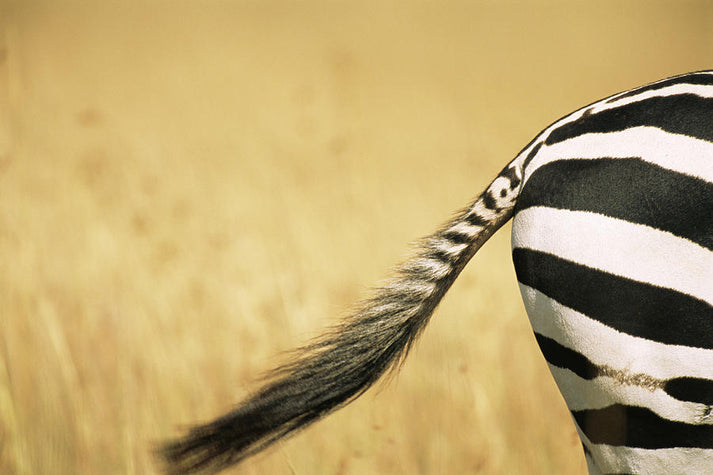
This fine art print captures the intricate detail of a zebra's tail, offering a unique perspective on wildlife photography. The image focuses on the tail's distinctive black-and-white striping, set against a natural backdrop, highlighting the animal's elegant form and movement. It serves as a study in pattern and texture, inviting viewers to appreciate the subtle beauty of this iconic African species.
Artistic Analysis of the Zebra Tail
In this composition, the zebra tail is presented as a focal point, emphasizing its role in communication and balance within the herd. The striping creates a rhythmic visual flow, while the soft lighting enhances the texture of the hair, adding depth to the photograph. This approach reflects a minimalist aesthetic, common in contemporary wildlife art, where isolated details reveal broader ecological narratives.
Historical Context of Zebra Imagery
Zebras have been depicted in art since ancient times, symbolizing freedom and wilderness. In modern photography, artists like Nick Brandt have elevated such imagery to fine art status, using monochrome palettes to underscore form. This print aligns with that tradition, transforming a simple zebra tail into a statement on natural elegance and conservation awareness.
Print Specifications & Materials
- Available Sizes: 75×100 cm / 30×40″, 40×50 cm / 16×20″, 21×29.7 cm / 8×12″
- Paper Finishing: Matte, uncoated, natural white (off-white)
- Acid-Free: pH above 7 to prevent yellowing over time
- Paper Weight: 250 gsm (110 lb) | Thickness: 0.29 mm (11.4 mils)
- Sustainable Paper: FSC-certified
At RedKalion, we specialize in museum-quality prints that preserve the integrity of original artworks. Our archival materials ensure this zebra tail image remains vibrant for generations, making it a timeless addition to any collection focused on wildlife or fine art photography.

Discover Unlimited Art Possibilities
At RedKalion, you can find virtually any artwork from any artist, available in a wide range of sizes to perfectly match your space.
If you didn’t find what you’re looking for, contact us at support@redkalion.com . We will source any artwork and produce it in any size and format you need, including art prints, posters, canvas, framed pieces, framed canvas, and more.
For dedicated art enthusiasts, we also offer handcrafted replicas of any artwork, carefully painted by highly skilled artists using traditional techniques.
For custom requests, contact us at support@redkalion.com .
What is the artistic significance of focusing on a zebra tail in this print?
This print highlights the zebra tail as a symbol of natural pattern and movement, drawing from minimalist wildlife photography traditions to emphasize texture and form in African fauna.
What paper is used for this fine art print of a zebra tail?
We use FSC-certified, acid-free paper with a matte finish and 250 gsm weight to ensure archival quality and prevent yellowing for long-lasting zebra tail art prints.
How is this zebra tail art print shipped to ensure it arrives safely?
Prints are shipped in sturdy, flat packaging with protective layers to prevent damage during transit, with tracking provided for secure delivery of your zebra tail fine art print.
How long will this zebra tail print last without fading?
With acid-free paper and archival inks, this print resists fading for over 100 years under proper display conditions, ideal for preserving zebra tail artwork.
Can I customize the size of this zebra tail art print?
Yes, it's available in three sizes: 75×100 cm, 40×50 cm, and 21×29.7 cm to fit different spaces for your zebra tail fine art display.
What inspired the composition of this zebra tail photograph?
The composition is inspired by minimalist wildlife art, focusing on the tail's striping to explore themes of pattern and natural elegance in African ecosystems.
How does this print compare to traditional zebra depictions in art history?
Unlike broader animal portraits, this detailed view aligns with modern trends that isolate features to highlight aesthetic and ecological details in zebra imagery.