
RedKalion
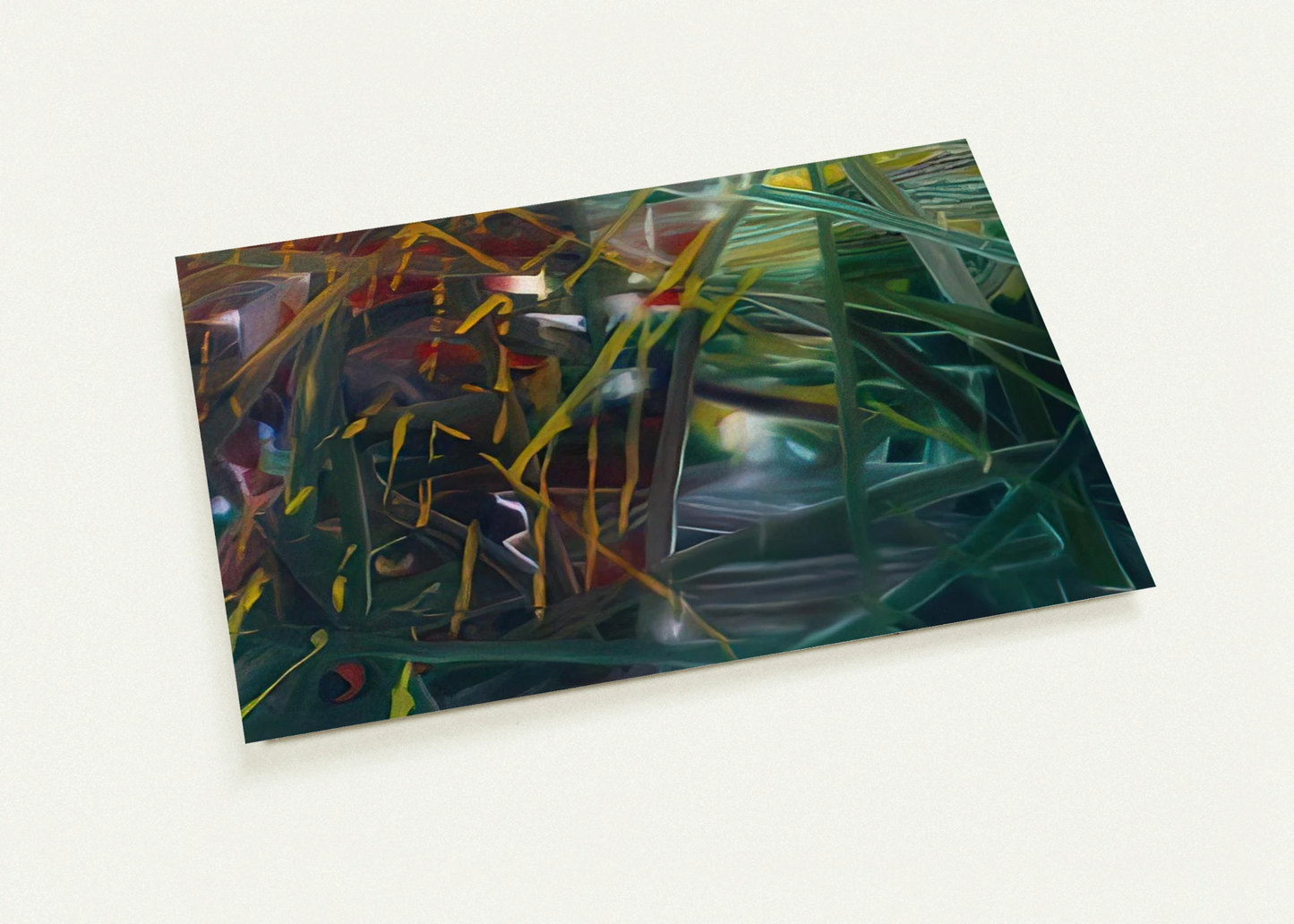
ABSTRACT PAINTING NO 439 By Gerhard Richter Pack of 10 Post Cards | Gerhard Richter Post Cards | A6 (10.5 x 14.8 cm) - 4.1 x 5.8 inches
ABSTRACT PAINTING NO 439 By Gerhard Richter Pack of 10 Post Cards | Gerhard Richter Post Cards | A6 (10.5 x 14.8 cm) - 4.1 x 5.8 inches
Não foi possível carregar a disponibilidade de recolha
Elevate Your Correspondence with Gerhard Richter’s Masterpiece
Experience the profound depth and calculated spontaneity of Gerhard Richter’s Abstract Painting No 439. As a pinnacle of contemporary abstraction, this work represents Richter’s legendary exploration of texture, color, and the 'controlled chance' of his squeegee technique. At RedKalion, we have meticulously translated the complex layering and visceral energy of the original canvas into a set of 10 exquisite fine art postcards, allowing you to share a piece of art history with every note you write.
Museum-Quality Execution on a Miniature Scale
While many reproductions lose the nuance of Richter’s heavy impasto and scraping, our 12-color fine art printing technology ensures every chromatic transition and textural detail is preserved. Unlike standard 4-color printing, our process captures the true vibrancy and deep shadows that make Abstract Painting No 439 a cornerstone of modern art. These postcards are more than mere stationery; they are archival-grade reproductions designed for the discerning collector.
Technical Specifications & Sustainable Craftsmanship
Each postcard is produced with the same rigor we apply to our large-format gallery prints. We utilize a 200 gsm (80 lb) premium paper stock with a thickness of 0.26 mm (10.3 mils), providing a substantial, tactile feel that resists bending. The smooth matte finish eliminates glare, allowing the artwork to be appreciated under any lighting conditions. In alignment with RedKalion’s commitment to the environment, all cards are printed on FSC-certified, eco-friendly paper.
- Artist: Gerhard Richter
- Series: Abstraktes Bild (Abstract Painting)
- Quantity: Pack of 10 flat postcards
- Format: A6 (10.5 x 14.8 cm / 4.1 x 5.8 inches)
- Paper: 200 gsm matte, archival-grade
- Printing: 12-color giclée process
Whether you are sending a thoughtful message or curating a small-scale gallery wall, these Gerhard Richter postcards provide an sophisticated aesthetic touch that endures. RedKalion ensures that each piece meets the highest standards of museum-quality curation, delivered directly to your door with no minimum order requirements.
Discover Unlimited Art Possibilities
At RedKalion, you can find virtually any artwork from any artist, available in a wide range of sizes to perfectly match your space.
If you didn’t find what you’re looking for, contact us at support@redkalion.com . We will source any artwork and produce it in any size and format you need, including art prints, posters, canvas, framed pieces, framed canvas, and more.
For dedicated art enthusiasts, we also offer handcrafted replicas of any artwork, carefully painted by highly skilled artists using traditional techniques.
For custom requests, contact us at support@redkalion.com .
What makes the printing quality of these Gerhard Richter postcards unique?
We utilize a 12-color fine art printing process, which offers superior color depth and accuracy compared to standard 4-color inkjet printers, ensuring Richter's vibrant palettes are perfectly captured.
What are the exact dimensions and paper weight of the cards?
Each A6 card measures 10.5 x 14.8 cm (4.1 x 5.8 inches) and is printed on a sturdy 200 gsm (80 lb) matte paper stock.
Is the paper used for these art cards environmentally friendly?
Yes, RedKalion uses FSC-certified paper, ensuring that your art collection supports responsible forestry and sustainable production practices.
How long will the colors last on these fine art prints?
Our archival-grade inks and acid-free paper are designed for longevity, preventing yellowing and fading over time when kept out of direct sunlight.
What is the shipping policy for this pack of 10 postcards?
Every order is printed on demand to ensure maximum quality control and is shipped in protective packaging to prevent damage during transit.
What was Gerhard Richter's technique for Abstract Painting No 439?
Richter used a large squeegee to drag wet paint across the canvas, layering and scraping away colors to create a complex interaction of texture and chance.
What does the 'Abstraktes Bild' series represent in art history?
This series represents Richter's move away from traditional subjects, focusing instead on the physical process of painting and the tension between conscious choice and random occurrence.