RedKalion
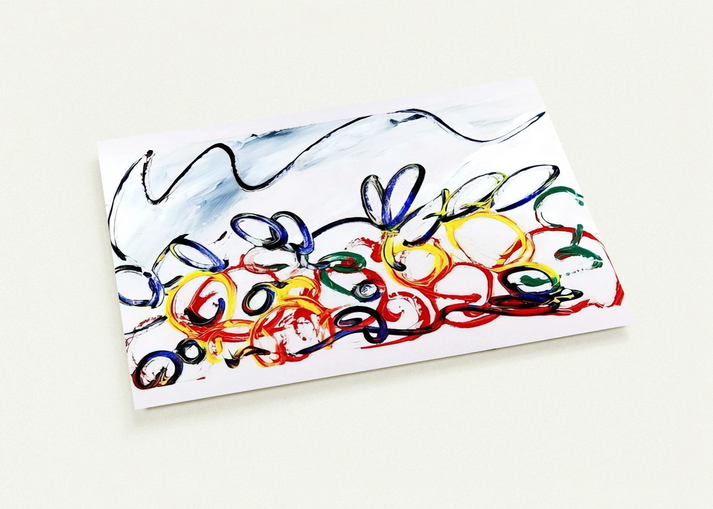
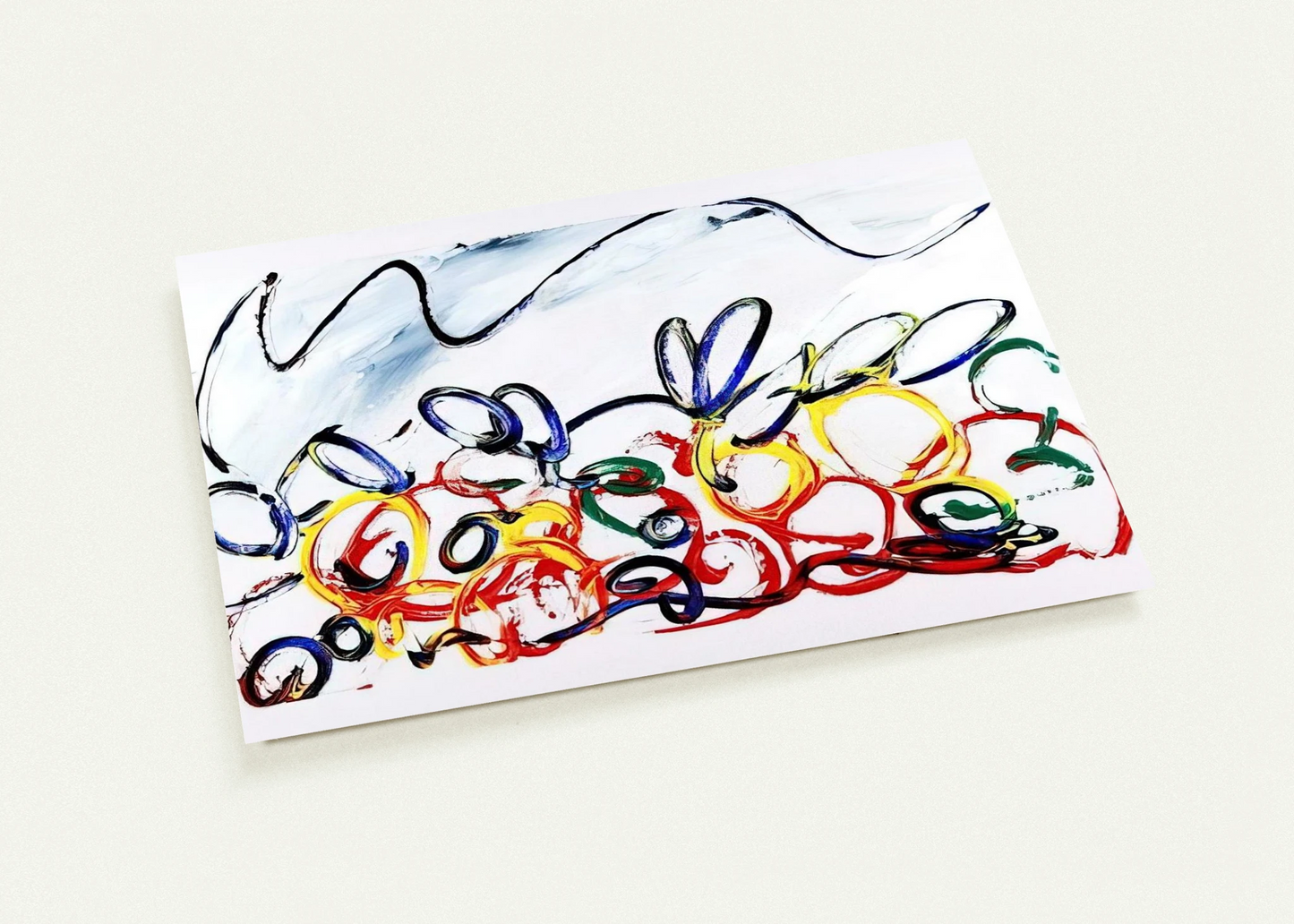
Acerbo - 1983 By Mario Schifano Pack of 10 Post Cards | Mario Schifano Post Cards | A6 (10.5 x 14.8 cm) - 4.1 x 5.8 inches
Acerbo - 1983 By Mario Schifano Pack of 10 Post Cards | Mario Schifano Post Cards | A6 (10.5 x 14.8 cm) - 4.1 x 5.8 inches
Não foi possível carregar a disponibilidade de recolha
Embrace the Post-Modern Landscape: Acerbo (1983) by Mario Schifano
Mario Schifano, a titan of European Pop Art and a leading figure of the Scuola di Piazza del Popolo, redefined the relationship between the canvas and the contemporary world. Acerbo, painted in 1983, marks a sophisticated evolution in his career. While his earlier works famously critiqued consumer culture, this piece delves into a raw, gestural interpretation of the natural landscape, blending the urgency of Italian modernism with a renewed sensitivity to color and atmosphere.
At RedKalion, we believe such profound artistry deserves a medium that honors its complexity. This exclusive pack of 10 fine art postcards allows you to share, gift, or display Schifano's vision in museum-quality detail. Each reproduction captures the energy of his brushwork, ensuring that the 'unripe' or harsh vitality implied by the title resonates in every print.
- 12-Color Precision: Utilizing advanced 12-color fine art printing technology, we capture the vibrant depth and subtle nuances of the original 1983 masterpiece, far surpassing the limitations of standard 4-color printing.
- Premium Paper: Printed on 200 gsm (80 lb) archival-grade paper with a thickness of 0.26 mm (10.3 mils) for a substantial, luxurious feel.
- Smooth Matte Finish: A refined, glare-free surface ensures the artwork remains the focal point in any lighting condition.
- Sustainable Excellence: We use FSC-certified, environmentally conscious materials, reflecting RedKalion's commitment to both art and the planet.
Elevate your correspondence or curate your own miniature gallery with an archival masterpiece that endures. These postcards are not merely stationery; they are a testament to 20th-century Italian genius, curated for the modern connoisseur.
Discover Unlimited Art Possibilities
At RedKalion, you can find virtually any artwork from any artist, available in a wide range of sizes to perfectly match your space.
If you didn’t find what you’re looking for, contact us at support@redkalion.com . We will source any artwork and produce it in any size and format you need, including art prints, posters, canvas, framed pieces, framed canvas, and more.
For dedicated art enthusiasts, we also offer handcrafted replicas of any artwork, carefully painted by highly skilled artists using traditional techniques.
For custom requests, contact us at support@redkalion.com .
What makes the print quality of these Mario Schifano postcards unique?
We use 12-color fine art printing technology. This provides superior color vibrancy and accuracy compared to standard 4-color inkjet prints, capturing the true essence of Schifano's 1983 palette.
What is the paper quality and weight for the Acerbo pack?
These postcards are printed on 200 gsm (80 lb) FSC-certified paper with a thickness of 0.26 mm. The smooth matte finish provides a clean, professional, and glare-free display.
Are these postcards environmentally friendly?
Yes. RedKalion utilizes FSC-certified paper, ensuring the materials are sourced from responsibly managed forests. Our print-on-demand process also reduces waste by eliminating overstock.
How long will these fine art postcards last?
Our postcards are designed for longevity. By using archival-grade materials and premium pigments, these reproductions resist fading, allowing you to enjoy Schifano's work for years to come.
Is there a minimum order for these Mario Schifano reproductions?
No. These postcards are printed on demand with no minimum order requirements, allowing you to acquire the exact quantity you need for your collection.
What is the significance of the title 'Acerbo' in Schifano's 1983 work?
'Acerbo' translates from Italian as 'unripe' or 'harsh.' It reflects Schifano's exploration of nature's raw, undeveloped state and the visceral, energetic style he adopted during the early 1980s.
How does this piece reflect Mario Schifano's artistic style in the 1980s?
In the 1980s, Schifano transitioned from Pop Art critique to more tactile, expressionistic landscapes. Acerbo showcases his 'New Figuration' approach, emphasizing movement, rapid execution, and an emotive use of color.