
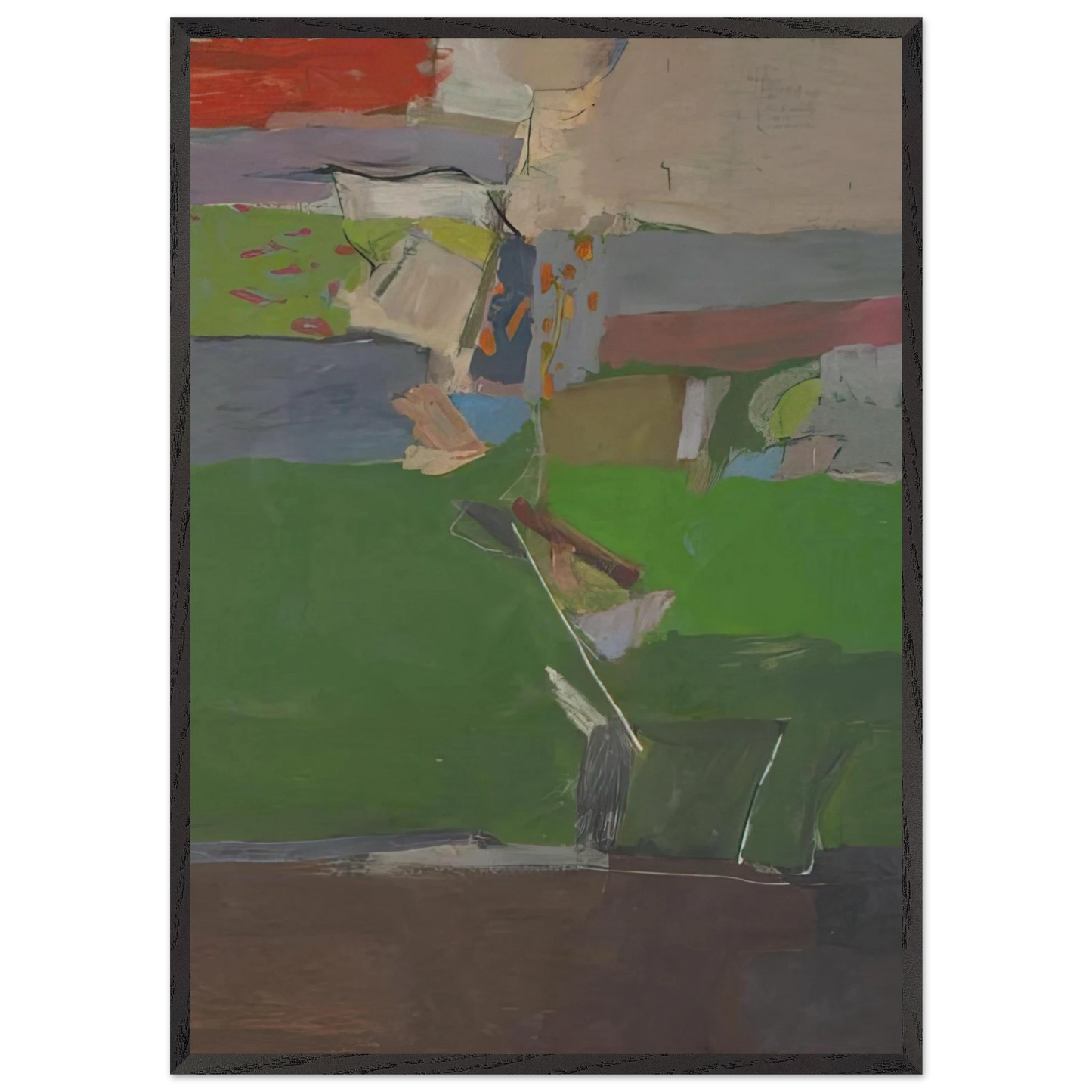
What are the paper specifications for this fine art print?
Berkeley 13 is printed on 250 gsm (110 lb) museum-quality paper. It is natural white, uncoated, and acid-free, providing an archival-grade surface that preserves the artwork’s rich colors and fine details for a lifetime.
Is the framing material sustainably sourced?
Yes, RedKalion uses FSC-certified materials. Our frames are crafted from responsibly sourced oak and ash wood, featuring a 20mm thickness that provides a more substantial and premium aesthetic than standard frames.
How is the artwork protected during shipping and display?
Each framed print is protected by shatterproof, high-clarity plexiglass. This ensures the artwork is safe from breakage during shipping and remains shielded from dust and UV exposure while hanging in your home.
Is this Berkeley 13 print ready to hang?
Absolutely. Your Richard Diebenkorn print arrives fully assembled in its black wooden frame with a hanging kit included. You can elevate your interior design immediately upon delivery with no additional hardware required.
What is the archival longevity of this reproduction?
We use archival-grade materials and acid-free museum paper to ensure the print does not yellow or fade. This commitment to quality guarantees that your investment remains a vibrant centerpiece for decades.
Who was Richard Diebenkorn and why is he significant?
Richard Diebenkorn was a leading American painter known for bridging Abstract Expressionism and the Bay Area Figurative Movement. His work is celebrated for its unique structural rhythm and its ability to evoke the light and space of the West Coast.
What does the 'Berkeley' series represent in art history?
Created between 1953 and 1955, the Berkeley series represents Diebenkorn’s exploration of non-objective abstraction inspired by aerial views of the landscape. It is considered a cornerstone of mid-century American modern art.