
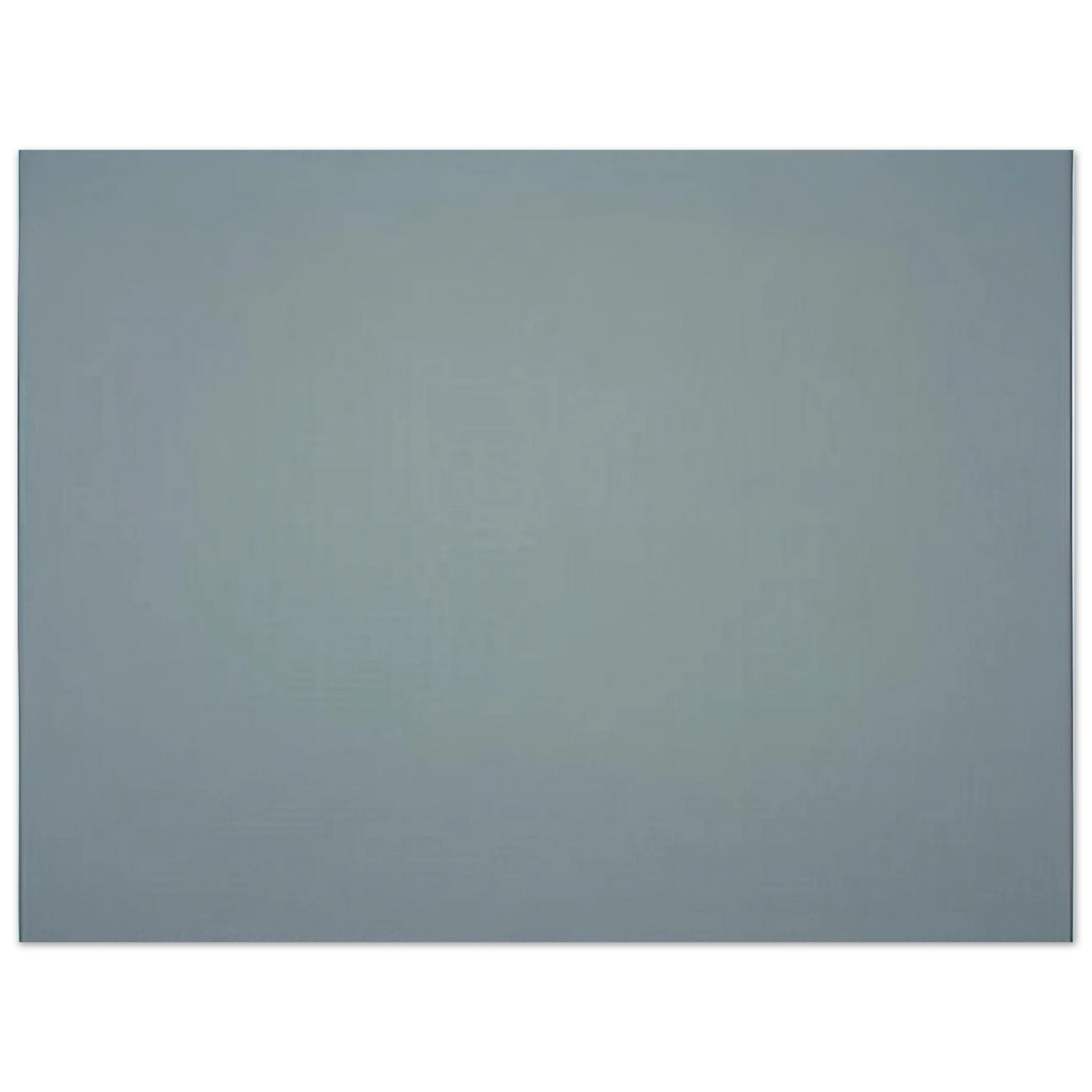
What makes this print museum-quality?
Our museum-quality prints use Master's Edition 250 gsm archival paper. The acid-free composition and specialized matte finish ensure that the fine art reproduction maintains the color accuracy and physical integrity of the original Brice Marden masterpiece for decades.
What type of paper is used for the Brice Marden Nebraska print?
We use premium 250 gsm (110 lb) natural white, uncoated paper. It features a thickness of 0.29 mm (11.4 mils), providing a luxurious, heavy feel that mirrors the texture of high-end gallery posters.
Will the colors fade over time?
No. Our prints are made on acid-free paper with a pH above 7. This archival-grade material prevents yellowing and degradation, ensuring the subtle muted tones of Nebraska (1966) remain consistent over time.
What is the shipping and fulfillment process?
RedKalion operates on a print-on-demand model with no minimum orders. Your order is meticulously printed, handled with white-glove care, and shipped in protective packaging to ensure it arrives in gallery-ready condition.
Does the paper meet environmental standards?
Yes. We prioritize sustainability by using FSC-certified paper (or equivalent certifications depending on regional availability). This ensures that your fine art poster supports responsible forest management and environmental protection.
What is the significance of the year 1966 in Brice Marden's career?
1966 was a pivotal year for Marden, marking his first solo exhibition in New York. During this period, he pioneered the use of wax and oil to create the dense, matte surfaces that defined the Minimalist era.
How does the Nebraska palette reflect Marden's style?
The palette of Nebraska exemplifies Marden's ability to extract color from memory and nature. His use of 'non-colors'—complex, muted shades—creates a sense of weight and emotional resonance that is characteristic of his mid-60s monochromatic panels.