
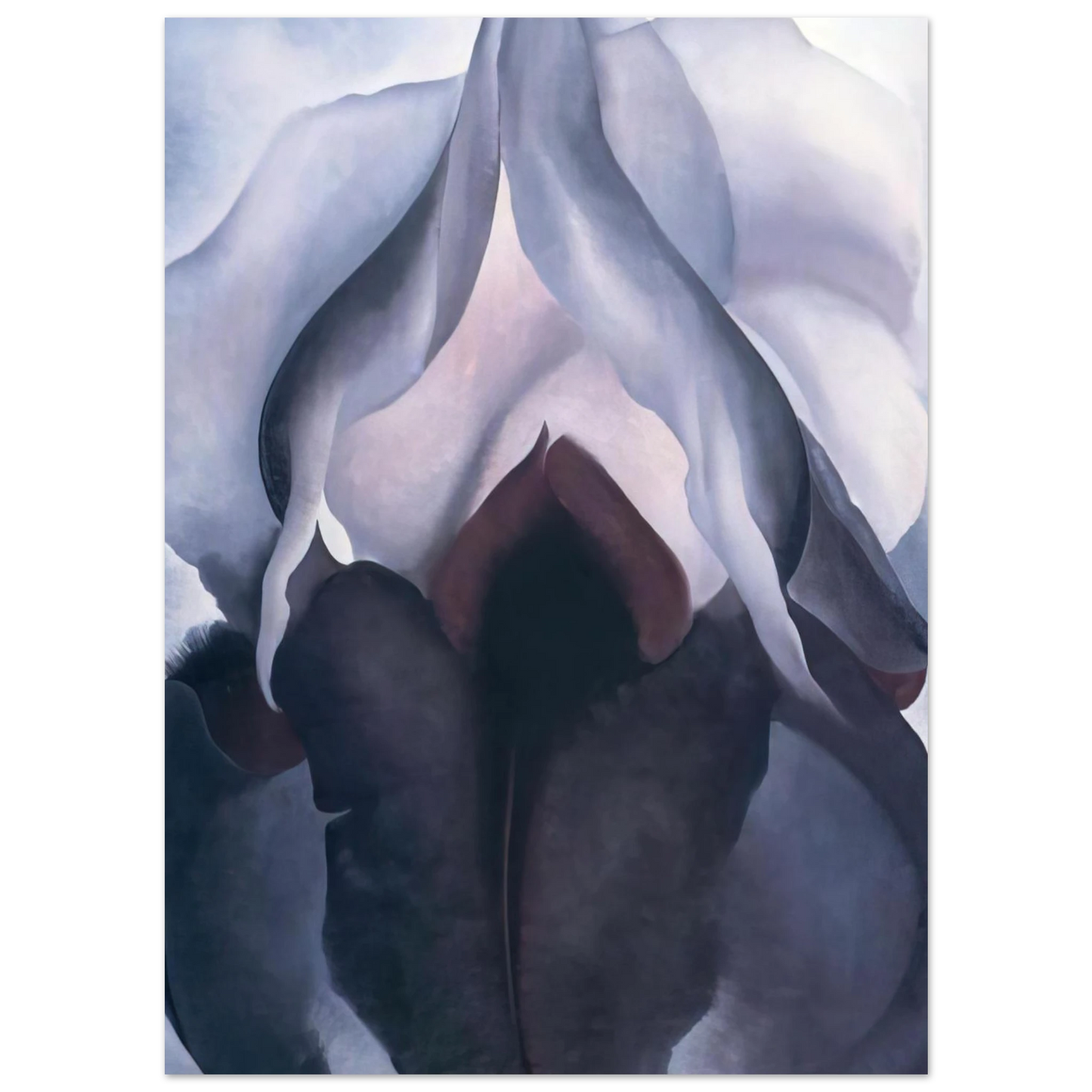
What is the historical significance of Georgia O'Keeffe's Black Iris III?
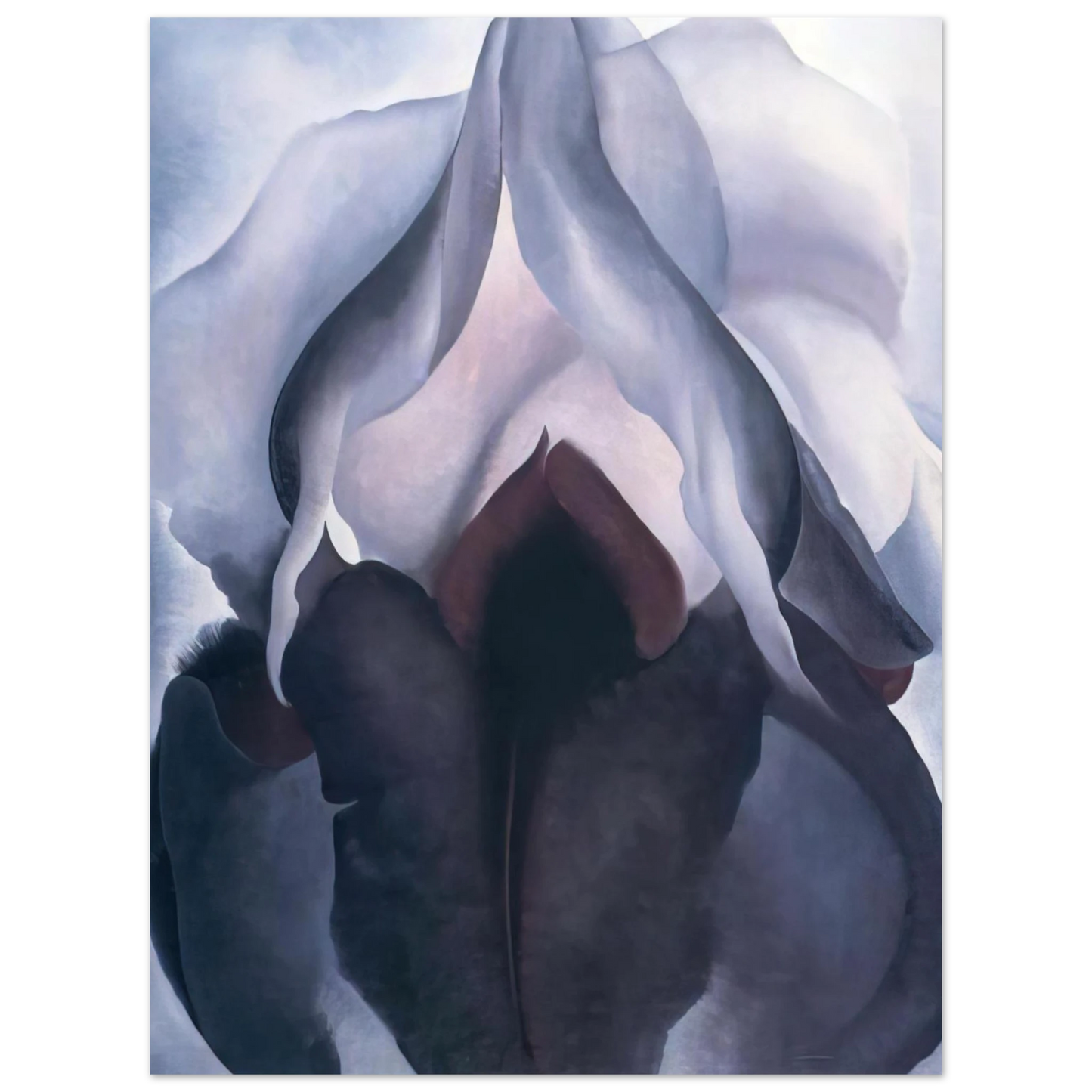
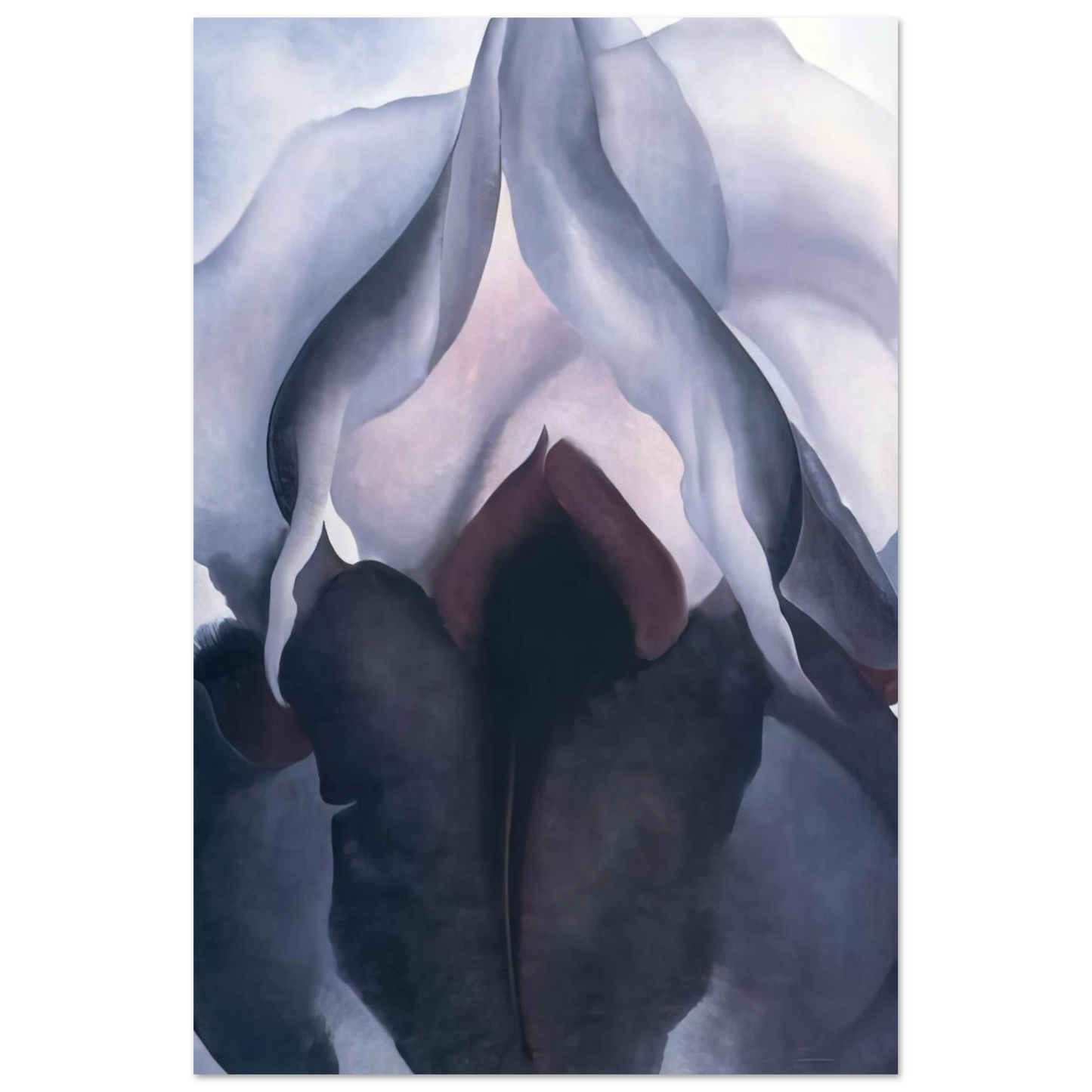
Black Iris III (1926) is a key work in O'Keeffe's flower series, showcasing her innovative approach to American Modernism by magnifying natural forms to explore abstraction and feminine symbolism in fine art prints.
How does the paper quality enhance this museum-quality reproduction?
Printed on Master's Edition archival paper with a matte, uncoated finish and natural white base, it offers a luxurious texture and acid-free longevity for premium fine art posters.
What are the specifications for paper weight and thickness?
This fine art print uses 250 gsm (110 lb) paper with a thickness of 0.29 mm (11.4 mils), providing a durable and substantial feel for gallery displays.
How is shipping handled for this on-demand print?
We print and ship each order on demand with no minimums, ensuring fresh, high-quality reproductions delivered directly to you.
What makes this print archival and resistant to yellowing?
The acid-free paper (pH above 7) and FSC-certified materials prevent yellowing over time, making it a lasting investment for art collectors.
Why did Georgia O'Keeffe focus on flowers like the iris in her art?
O'Keeffe used flowers to challenge perceptions, scaling them up to reveal intimate details and evoke emotional responses, with the iris symbolizing mystery and transformation in her botanical art.
What details in Black Iris III highlight O'Keeffe's technique?
O'Keeffe's technique features soft gradations of black and gray, creating a velvety texture that draws viewers into the flower's center, emphasizing light and shadow in this museum-quality reproduction.