RedKalion
Jarbas - 1959 - Emil Schumacher Acrylic Print - 70x100 cm / 28x40″ inches | Emil Schumacher Wall Art | Emil Schumacher Prints
Jarbas - 1959 - Emil Schumacher Acrylic Print - 70x100 cm / 28x40″ inches | Emil Schumacher Wall Art | Emil Schumacher Prints
Não foi possível carregar a disponibilidade de recolha
Jarbas - 1959 - Emil Schumacher Acrylic Print - 70x100 cm / 28x40″
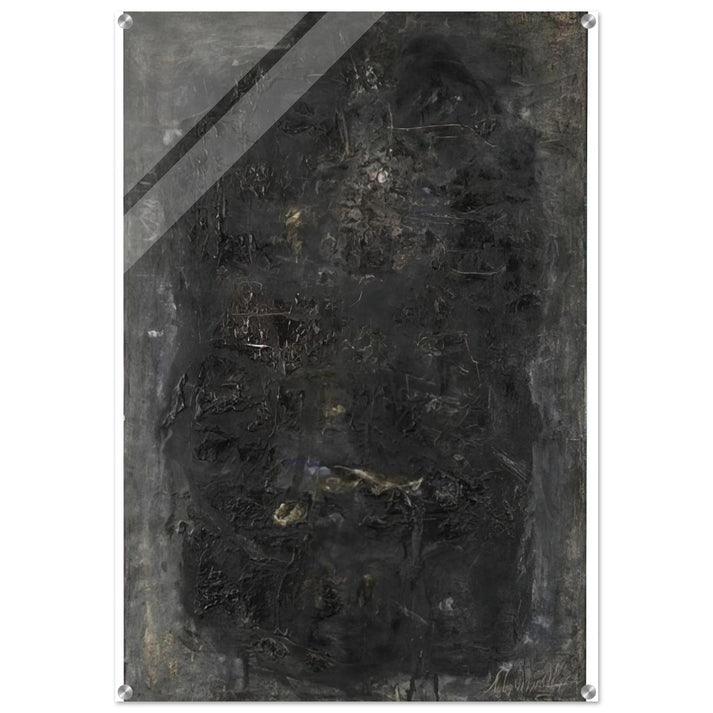
Immerse yourself in the raw, expressive power of post-war European abstraction with this museum-quality acrylic print of Emil Schumacher's "Jarbas" (1959). A pivotal work from the German artist's mature period, this piece captures the dynamic tension between chaos and control, rendered in Schumacher's signature gestural brushstrokes and earthy palette. Created during a time of artistic renewal in 1950s Germany, "Jarbas" exemplifies the Informel movement's rejection of traditional forms, inviting viewers into a visceral exploration of texture and emotion.
RedKalion presents this archival-grade reproduction on a 4mm (0.15") acrylic panel, ensuring vibrant color fidelity and a sleek, contemporary finish that enhances the artwork's tactile depth. With straight-cut corners for a modern aesthetic and transparent backgrounds optimized to white, this piece arrives ready to elevate any space—from minimalist offices to curated living rooms.
- Dimensions: 70x100 cm / 28x40″ inches, offering a commanding presence.
- Material: Premium 4mm acrylic for durability and luminous clarity.
- Hanging Kit Included: Complete with hardware, screws, and pre-drilled holes (14mm from edges, 8mm diameter, 15mm screw head) for effortless installation.
- Design: Straight-cut corners and white-backed transparency for a polished display.
Own a piece of art history with this fine art print, meticulously reproduced to archival standards. Elevate your environment with a timeless masterpiece that endures, backed by RedKalion's commitment to excellence in curation and craftsmanship.

Discover Unlimited Art Possibilities
At RedKalion, you can find virtually any artwork from any artist, available in a wide range of sizes to perfectly match your space.
If you didn’t find what you’re looking for, contact us at support@redkalion.com . We will source any artwork and produce it in any size and format you need, including art prints, posters, canvas, framed pieces, framed canvas, and more.
For dedicated art enthusiasts, we also offer handcrafted replicas of any artwork, carefully painted by highly skilled artists using traditional techniques.
For custom requests, contact us at support@redkalion.com .
What is the historical significance of Emil Schumacher's "Jarbas" (1959)?
"Jarbas" is a key work from Schumacher's mature period, reflecting the post-war German Informel movement's emphasis on abstraction, texture, and emotional expression, created during 1950s artistic renewal.
How does the 4mm acrylic enhance this fine art print?
The 4mm (0.15") acrylic panel provides a sleek, vibrant finish that amplifies color depth and ensures durability, making this museum-quality reproduction ideal for long-term display.
What are the dimensions and hanging details for this Emil Schumacher wall art?
This print measures 70x100 cm (28x40″) and includes a hanging kit with pre-drilled holes (14mm from edges, 8mm diameter) for easy installation of your premium acrylic art.
How is the archival quality of RedKalion's prints ensured?
We use high-grade materials and precise reproduction techniques to create archival-grade prints that resist fading, offering lasting value for your Emil Schumacher artwork collection.
What shipping and packaging can I expect for this acrylic print?
Your print ships securely in protective packaging, with global delivery options and tracking, ensuring your Emil Schumacher reproduction arrives in pristine condition.
What artistic techniques did Emil Schumacher use in "Jarbas"?
Schumacher employed gestural brushstrokes and an earthy palette in "Jarbas," showcasing his mastery of texture and abstraction within the Informel style of the 1950s.
Why are the corners straight-cut and backgrounds white in this design?
Straight-cut corners offer a modern look, while white-backed transparency optimizes presentation, ensuring this Emil Schumacher print complements contemporary interiors seamlessly.