Discover Unlimited Art Possibilities
At RedKalion, you can find virtually any artwork from any artist, available in a wide range of sizes to perfectly match your space.
If you didn’t find what you’re looking for, contact us at support@redkalion.com . We will source any artwork and produce it in any size and format you need, including art prints, posters, canvas, framed pieces, framed canvas, and more.
For dedicated art enthusiasts, we also offer handcrafted replicas of any artwork, carefully painted by highly skilled artists using traditional techniques.
For custom requests, contact us at support@redkalion.com .
What are the dimensions of this Taro Yamamoto framed art print?
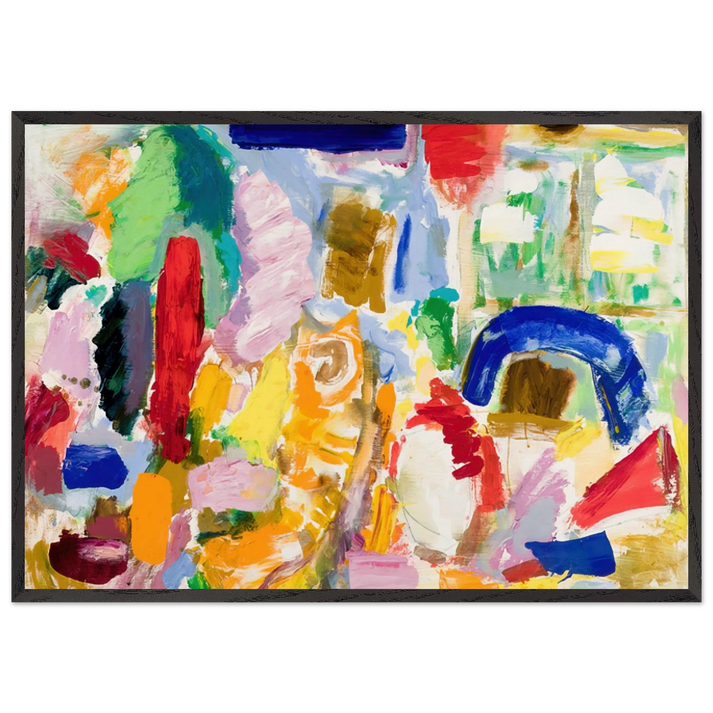
This framed print measures 70x100 cm (28x40 inches), including the black wooden frame, making it an ideal statement piece for living rooms, offices, or galleries.
What type of paper is used for this museum-quality reproduction?
It features 250 gsm (110 lb) matte, uncoated archival museum-quality paper with a natural white finish and 0.29 mm thickness, ensuring durability and vibrant color fidelity for fine art displays.
Is this framed print ready to hang upon delivery?
Yes, it includes a hanging kit and is ready-to-hang directly on your wall, offering a hassle-free setup for immediate enjoyment of this Taro Yamamoto artwork.
How does the frame enhance this art print's presentation?
The frame is made from responsibly sourced oak and ash wood, 20mm (0.79") thick and wide, providing a sturdy, elegant black border that protects and complements the 1987 composition.
What makes this print archival and long-lasting?
It uses FSC-certified sustainable paper and shatterproof plexiglass, resisting fading and damage to preserve the artwork's quality for generations as a premium reproduction.
What artistic movement influenced Taro Yamamoto's 1987 work?
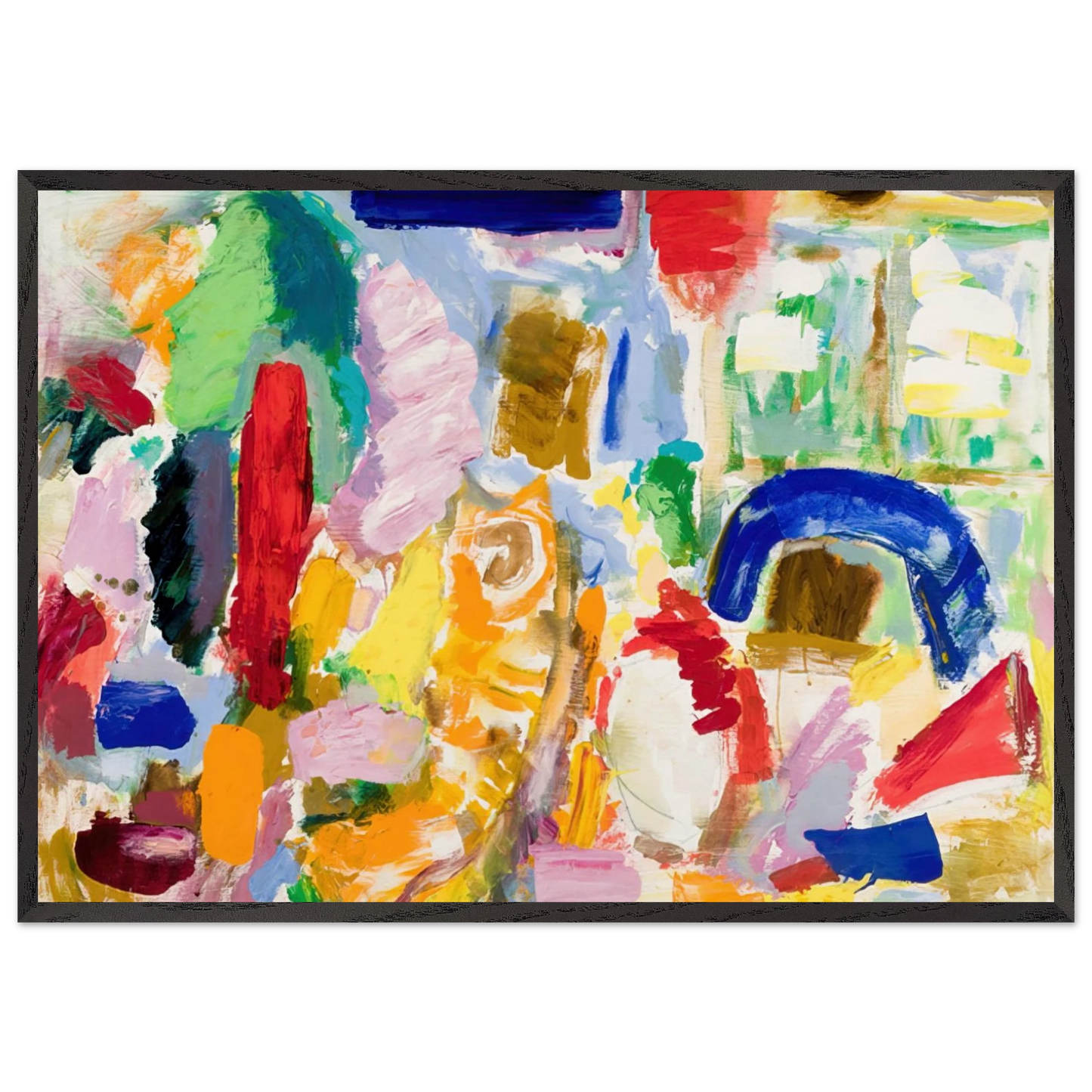
Yamamoto's piece reflects mono-ha influences, focusing on materiality and the poetic interplay of objects like the paper kite, brown hat, and red vase in minimalist settings.
Why is the red vase significant in Yamamoto's composition?
The red vase adds a vibrant contrast, symbolizing life and memory amidst neutral tones, highlighting Yamamoto's skill in using color to evoke emotion and narrative depth.