
Discover Unlimited Art Possibilities
At RedKalion, you can find virtually any artwork from any artist, available in a wide range of sizes to perfectly match your space.
If you didn’t find what you’re looking for, contact us at support@redkalion.com . We will source any artwork and produce it in any size and format you need, including art prints, posters, canvas, framed pieces, framed canvas, and more.
For dedicated art enthusiasts, we also offer handcrafted replicas of any artwork, carefully painted by highly skilled artists using traditional techniques.
For custom requests, contact us at support@redkalion.com .
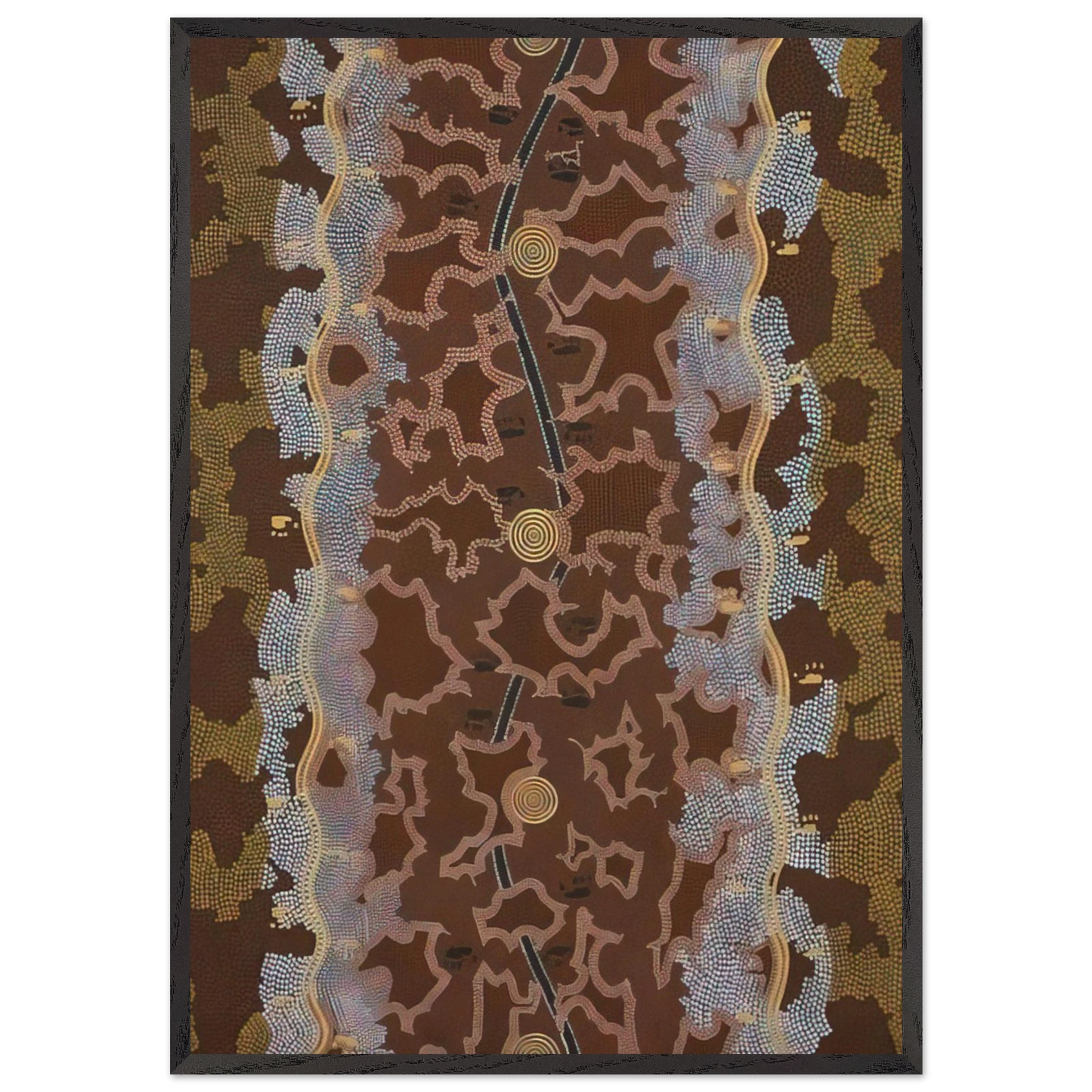
What is the significance of Possum Dreaming at Napperby in Indigenous Australian art?
This 1979 masterpiece by Clifford Possum Tjapaltjarri is a key work of the Papunya Tula movement, depicting ancestral Possum Dreaming tracks at Napperby with intricate dotting, symbolizing spiritual connection to land and cultural heritage in fine art prints.
How does the black wooden frame enhance this art print?
The frame, made from responsibly sourced oak and ash wood, is 20mm thick and wide for a gallery-quality look, complementing the museum-quality reproduction with durability and elegance in framed art prints.
What are the specifications of the archival paper used?
We use 250 gsm (110 lb) matte, uncoated natural white paper, 0.29 mm thick, FSC-certified for sustainability, ensuring vibrant colors and longevity in this premium fine art print.
Is this framed print ready to hang upon arrival?
Yes, it includes a complete hanging kit, making it ready-to-hang directly on your wall for immediate display of this Clifford Possum Tjapaltjarri reproduction.
How is the print protected within the frame?
Shatterproof plexiglass safeguards the print from damage, maintaining clarity and preserving the archival museum-quality paper in this framed art piece.
What techniques did Clifford Possum Tjapaltjarri use in this artwork?
Tjapaltjarri employed traditional dot painting and linear designs to map Dreaming stories, creating layered textures that convey movement and spiritual depth in Indigenous Australian art prints.
Why is the Papunya Tula movement important in art history?
It revolutionized Indigenous art in the 1970s, blending ancestral symbols with contemporary mediums, with artists like Tjapaltjarri elevating it to global recognition in fine art reproductions.