

RedKalion
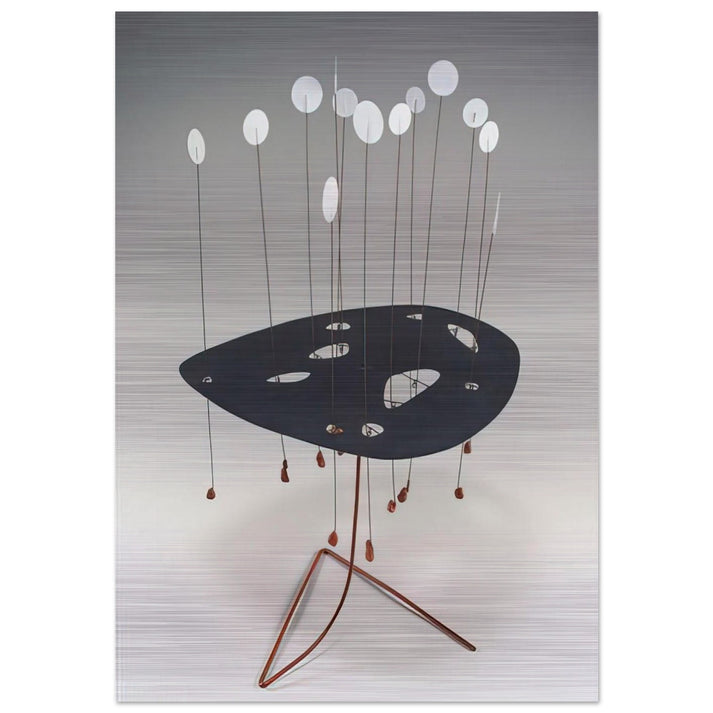
ASPEN 1948 - Alexander Calder Brushed Aluminum Print - 70x100 cm / 28x40 inches | Alexander Calder Aluminum Print | Alexander Calder Prints
ASPEN 1948 - Alexander Calder Brushed Aluminum Print - 70x100 cm / 28x40 inches | Alexander Calder Aluminum Print | Alexander Calder Prints
Det gick inte att ladda hämtningstillgänglighet
The Kinetic Spirit of Alexander Calder’s ASPEN 1948
Experience the playful sophistication of 20th-century modernism with the Alexander Calder Aluminum Print featuring the iconic ASPEN 1948 composition. This piece captures a pivotal moment in Calder’s career when his exploration of movement and form translated seamlessly into graphic arts. Known primarily for his revolutionary mobiles, Calder’s 2-dimensional works possess a rhythmic vitality that feels both architectural and organic.
A Synthesis of Industrial Strength and High Art
To honor Calder’s legacy of working with industrial metals, RedKalion presents this masterpiece on Brushed Silver Aluminum DIBOND®. This choice of medium is not merely functional; it is an aesthetic homage to the artist’s own material vocabulary. The 3mm (0.12") thick rigid base provides a sleek, contemporary profile, while the horizontal grain of the brushed silver finish lends a shimmering, dynamic quality to the print that changes with the viewer's perspective.
- Museum-Quality Reproduction: Direct-to-substrate printing ensures vivid colors and a refined matte, glare-free finish.
- Unique Metallic Depth: White and light areas in the design are left unprinted, allowing the natural silver aluminum texture to catch the light for a striking visual effect.
- Archival Durability: The Aluminum DIBOND® structure is highly resistant to temperature changes and environmental factors, ensuring your fine art print endures.
Elevate Your Space with an Archival Masterpiece
Calder’s ASPEN 1948 is more than a fine art print; it is a statement of mid-century elegance. The glare-free surface is ideal for high-light environments, ensuring the bold primary hues and striking lines remain the focal point. At RedKalion, we curate only the finest museum-quality reproductions, providing a sophisticated addition to your collection that embodies the avant-garde spirit of the 1940s.


Discover Unlimited Art Possibilities
At RedKalion, you can find virtually any artwork from any artist, available in a wide range of sizes to perfectly match your space.
If you didn’t find what you’re looking for, contact us at support@redkalion.com . We will source any artwork and produce it in any size and format you need, including art prints, posters, canvas, framed pieces, framed canvas, and more.
For dedicated art enthusiasts, we also offer handcrafted replicas of any artwork, carefully painted by highly skilled artists using traditional techniques.
For custom requests, contact us at support@redkalion.com .
What makes the Alexander Calder Aluminum Print unique?
Our Calder prints use brushed silver Aluminum DIBOND® with a 3mm thickness and horizontal grain. This creates a dynamic, metallic finish where white areas reveal the raw aluminum, perfectly complementing Calder’s industrial aesthetic.
Is the hanging hardware included with the ASPEN 1948 print?
Yes, every museum-quality reproduction from RedKalion includes a hanging kit. The specific kit varies based on the fulfillment country to ensure the most secure and aesthetic mounting for your space.
How does the matte finish affect the artwork’s appearance?
The direct print on AluDibond results in a matte, glare-free finish. This is ideal for rooms with high natural light, as it prevents reflections while maintaining vibrant color saturation and sharp details.
What are the archival qualities of Aluminum Dibond?
Aluminum DIBOND® is incredibly durable and rigid. It is resistant to warping due to heat or humidity, making it a superior choice for archival-grade prints that require long-term stability without the need for glass.
How is the print protected during shipping?
We use premium, secure packaging tailored to the 70x100 cm dimensions. Each print is handled with extreme care to ensure it arrives in pristine gallery condition, ready to be displayed.
What is the significance of the 1948 Aspen motif in Calder's work?
In 1948, Calder was commissioned to create imagery for the Goethe Bicentennial Convocation in Aspen. This work represents a masterful fusion of his kinetic sculpture philosophy and graphic design, symbolizing the cultural rebirth of the era.
How does the brushed metal finish enhance this specific Calder piece?
Calder famously worked with steel and aluminum for his mobiles and stabiles. The brushed aluminum substrate honors this history, adding a textural, industrial dimension to the print that a standard paper reproduction cannot achieve.