Gå vidare till produktinformation
1 av 1

RedKalion

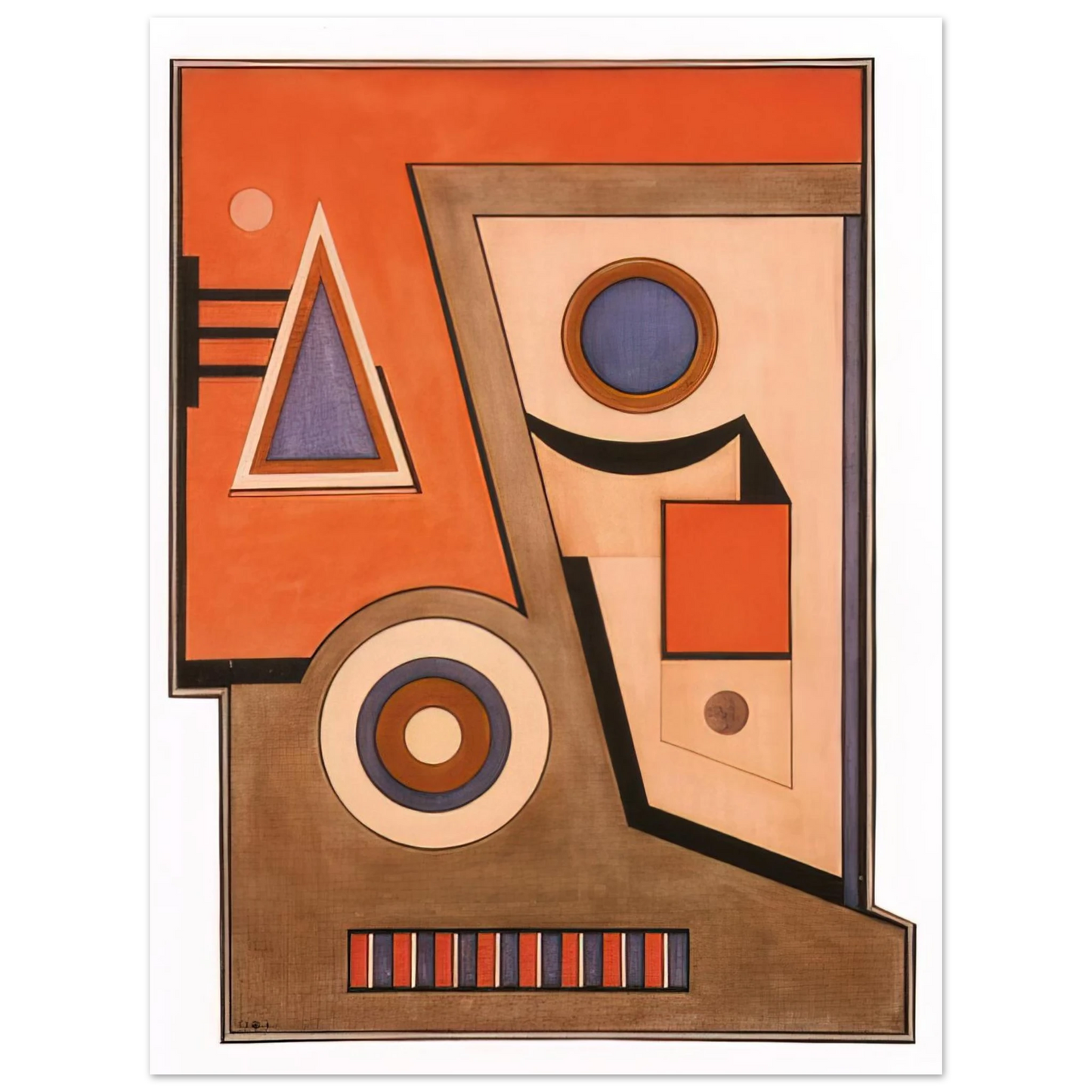
Carmelo Arden Quin - Almagro - Concretism 75x100 cm / 30x40inches Fine Art Poster

Carmelo Arden Quin - Almagro - Concretism 75x100 cm / 30x40inches Fine Art Poster

Ordinarie pris $207.99 USD
Ordinarie pris $311.00 USD Försäljningspris $207.99 USD
Rea Slutsåld
Kvantitet

The Avant-Garde Legacy of Carmelo Arden Quin: Almagro

In the mid-20th century, the South American art scene was revolutionized by the radical geometric abstraction of Carmelo Arden Quin. As a founding figure of the Madí movement, Arden Quin sought to liberate art from the constraints of traditional frames and representational subjects. Almagro stands as a definitive example of this Concretism period, where rhythmic geometry and architectural balance converge to create a purely visual experience.

This museum-quality fine art print of Almagro is part of the exclusive RedKalion collection, meticulously curated to bring the intellectual rigor of South American modernism into the contemporary home. Every stroke and intersection of color is rendered with absolute fidelity, ensuring the piece maintains the dynamic energy of Arden Quin’s original vision.

Unrivaled Archival Standards

At RedKalion, we believe that an archival masterpiece should endure for generations. To achieve this, our reproductions are crafted on Master's Edition archival paper—a paper of such exceptional quality that it is the preferred choice for galleries and museums worldwide. The natural white (off-white) matte finish provides a luxurious, uncoated texture that prevents glare, allowing the bold shapes of Almagro to be appreciated from any angle.

  • Museum-Grade Longevity: Our acid-free paper (pH above 7) guarantees that your print will not yellow or degrade over time, preserving its brilliance for decades.
  • Substantial Weight: With a thickness of 0.29 mm (11.4 mils) and a weight of 250 gsm (110 lb), this print offers a premium tactile experience and robust durability.
  • Sustainably Sourced: This fine art poster is printed on FSC-certified paper, ensuring your collection supports responsible forestry.
  • Fulfillment Excellence: Each order is printed on demand with no minimums, ensuring a fresh, pristine product delivered directly to your door.
Visa alla uppgifter
What makes the paper used for the Almagro print museum-quality?

We use Master's Edition archival paper, which is acid-free (pH above 7) and weighs 250 gsm. This ensures a luxurious feel and prevents the yellowing associated with standard posters, maintaining museum-quality standards for decades.

Is the Almagro print provided with a matte or glossy finish?

This print features a natural white, uncoated matte finish. This specific texture is chosen to eliminate reflections and highlights the deep, geometric colors of Carmelo Arden Quin’s Concretist style.

How does RedKalion ensure the sustainability of its art prints?

RedKalion is committed to environmental responsibility. The paper used for the Almagro reproduction is FSC-certified, meaning it is sourced from responsibly managed forests that provide environmental, social, and economic benefits.

How is the shipping and fulfillment process handled?

Our fine art prints are printed and shipped on demand with no minimum order requirements. This reduces waste and ensures that your specific Arden Quin piece is freshly produced and carefully packaged for delivery.

Will the colors of the Almagro print fade over time?

No. Thanks to the use of archival-grade materials and acid-free chemistry, our prints are designed to resist aging and environmental degradation, ensuring the artwork remains as vibrant as the day it was printed.

What was Carmelo Arden Quin’s influence on the Madí movement?

Arden Quin was a co-founder of the Madí movement in 1946. He championed "pure invention," utilizing irregular frames and geometric shapes to create art that exists as its own physical reality rather than a window to another world.

How does Almagro represent the principles of Concretism?

Almagro exemplifies Concretism by focusing on non-figurative, mathematical structures. It rejects the idea of art as a representation of nature, instead using line and color as concrete elements that define the space they inhabit.