
Discover Unlimited Art Possibilities
At RedKalion, you can find virtually any artwork from any artist, available in a wide range of sizes to perfectly match your space.
If you didn’t find what you’re looking for, contact us at support@redkalion.com . We will source any artwork and produce it in any size and format you need, including art prints, posters, canvas, framed pieces, framed canvas, and more.
For dedicated art enthusiasts, we also offer handcrafted replicas of any artwork, carefully painted by highly skilled artists using traditional techniques.
For custom requests, contact us at support@redkalion.com .
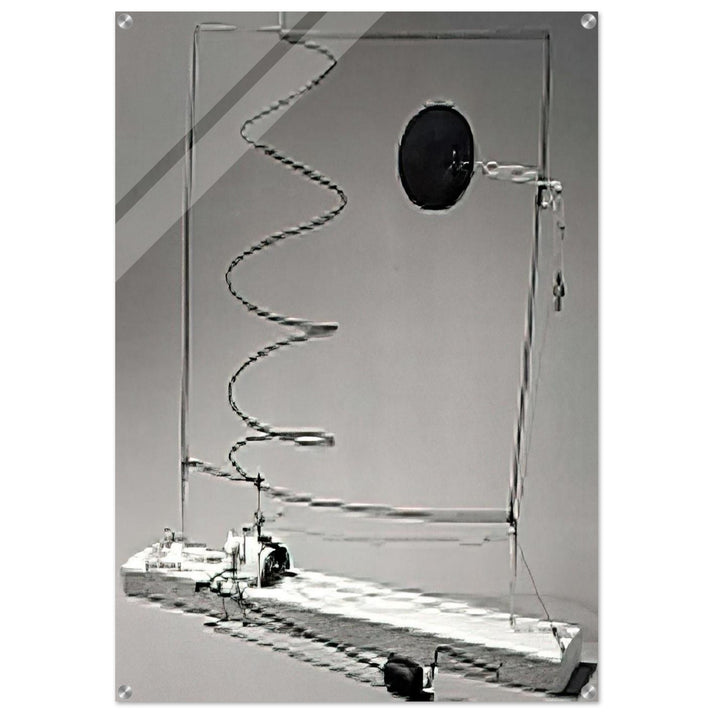
What is CRANK DRIVEN MOBILE (1932) by Alexander Calder?
CRANK DRIVEN MOBILE is an early kinetic artwork by Alexander Calder, showcasing his innovative approach to sculpture with moving elements. This print captures its dynamic essence.
What are the material specifications for this Alexander Calder print?
This museum-quality reproduction is printed on durable 4mm (0.15") acrylic, offering a sleek, vibrant, and modern finish with straight-cut corners.
How is the artwork packaged and shipped?
RedKalion ensures secure packaging for all museum-quality reproductions. Shipping details are provided at checkout, tailored to ensure your artwork arrives safely.
What is the expected archival longevity of this acrylic print?
Utilizing archival-grade printing techniques on robust acrylic, this fine art print is designed for exceptional longevity and fade resistance, preserving its vibrancy for years.
Does the print come with a hanging kit?
Yes, this Alexander Calder print includes a comprehensive hanging kit. It features hardware, screws, and pre-drilled holes for convenient and secure wall mounting.
Can you tell me more about Alexander Calder's artistic style?
Alexander Calder pioneered kinetic art, using wire, sheet metal, and paint to create mobiles that moved with air currents, bringing a unique sense of playfulness and dynamism to modern sculpture.
What is the significance of the "Crank Driven" aspect of the mobile?
The title suggests an early mechanism for activating the mobile's movement, highlighting Calder's experimental nature in exploring different ways to bring his sculptures to life.