
Discover Unlimited Art Possibilities
At RedKalion, you can find virtually any artwork from any artist, available in a wide range of sizes to perfectly match your space.
If you didn’t find what you’re looking for, contact us at support@redkalion.com . We will source any artwork and produce it in any size and format you need, including art prints, posters, canvas, framed pieces, framed canvas, and more.
For dedicated art enthusiasts, we also offer handcrafted replicas of any artwork, carefully painted by highly skilled artists using traditional techniques.
For custom requests, contact us at support@redkalion.com .
What are the dimensions of this Henri Matisse fine art print?
This museum-quality reproduction measures 75x100 cm (30x40 inches), making it an ideal size for prominent display in living rooms, offices, or galleries.
What type of paper is used for this archival print?
It is printed on Master's Edition archival paper, which is acid-free (pH above 7), FSC-certified, and features a matte, uncoated finish for a luxurious texture that prevents yellowing over time.
How is this Matisse artwork shipped and delivered?
RedKalion offers on-demand printing and shipping with no minimum orders, ensuring your fine art print arrives carefully packaged and ready to frame.
What is the weight and thickness of the paper for durability?
The paper has a substantial 250 gsm weight (110 lb) and 0.29 mm thickness (11.4 mils), providing excellent durability and a premium feel for this archival reproduction.
How does the archival quality ensure longevity for this print?
With acid-free, pH-balanced paper and museum-quality standards, this print resists fading and yellowing, preserving Matisse's vibrant colors for generations.
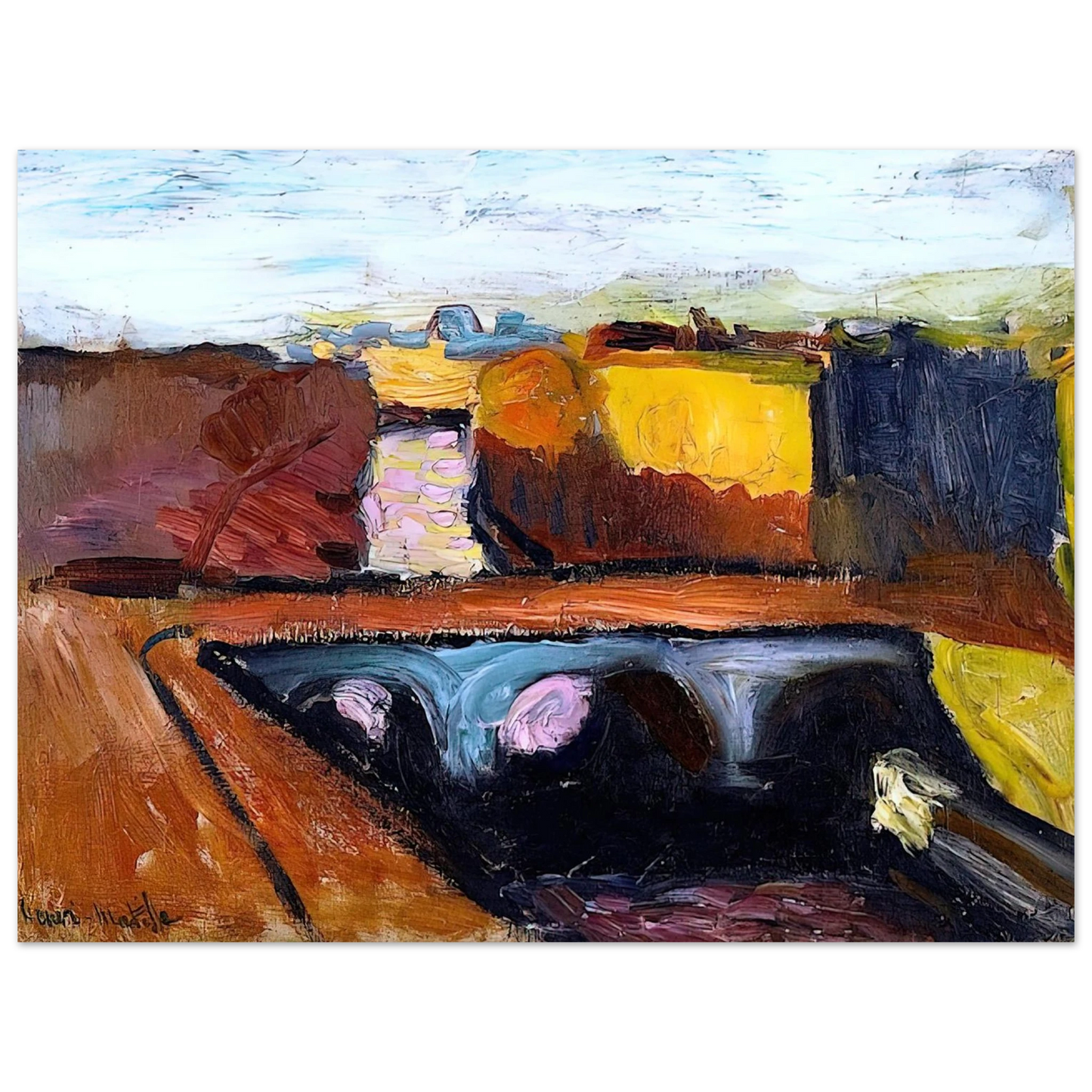
What artistic movement does VIEW OF THE SEINE represent?
This 1904 painting is a key example of Fauvism, where Matisse used bold, non-naturalistic colors to express emotion, revolutionizing modern art in early 20th-century Paris.
Why is the Pont Saint Michel scene significant in Matisse's work?
It captures a bustling Parisian landmark, showcasing Matisse's transition to brighter palettes and loose brushwork that defined his Fauvist period and influenced later abstract art.