


Discover Unlimited Art Possibilities
At RedKalion, you can find virtually any artwork from any artist, available in a wide range of sizes to perfectly match your space.
If you didn’t find what you’re looking for, contact us at support@redkalion.com . We will source any artwork and produce it in any size and format you need, including art prints, posters, canvas, framed pieces, framed canvas, and more.
For dedicated art enthusiasts, we also offer handcrafted replicas of any artwork, carefully painted by highly skilled artists using traditional techniques.
For custom requests, contact us at support@redkalion.com .
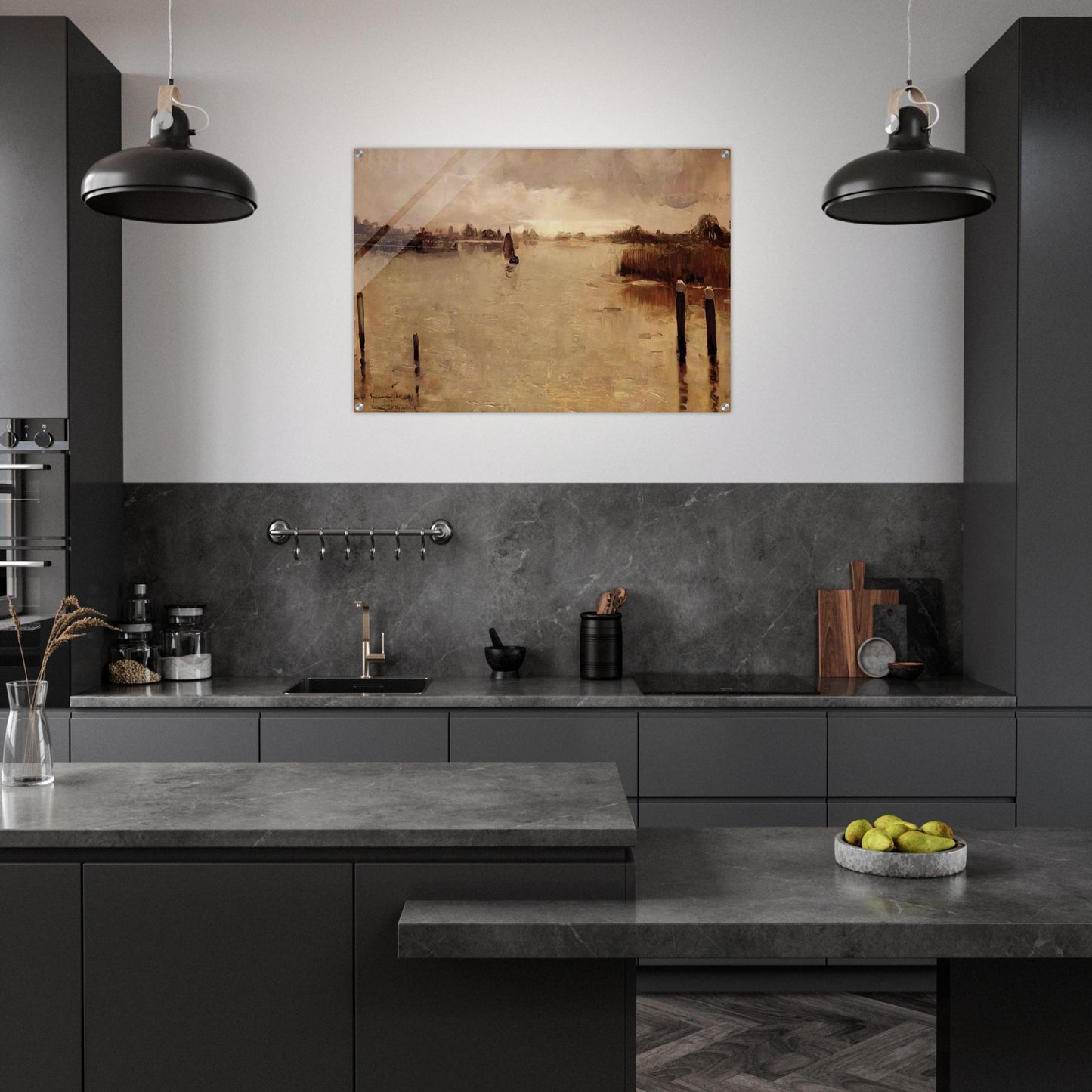
What are the dimensions of this Sparenwoude Island 1883 acrylic print?
This fine art print measures 70x100 cm / 28x40″ inches, offering a substantial presence for any interior space with its museum-quality reproduction.
What material is used for this Theo van Rysselberghe print?
It features a 4mm (0.15") acrylic surface for a sleek, vibrant, and durable finish that enhances the artwork's colors and resists wear.
Does this print include a hanging kit?
Yes, it comes with a complete hanging kit: hardware, screws, and screw holes at each corner (14mm from the edge, 8mm diameter hole, 15mm screw head) for easy installation.
How does the archival quality ensure longevity?
Our archival-grade materials and printing techniques prevent fading, making this a durable investment for long-term display as a museum-quality reproduction.
What is the design of the acrylic print corners?
It has straight-cut corners for a modern look, with transparent backgrounds defaulting to white to optimize the presentation of this fine art print.
What artistic technique did Theo van Rysselberghe use in Sparenwoude Island 1883?
Van Rysselberghe employed Pointillism, using tiny dots of color to create optical blending and shimmering light effects, characteristic of Neo-Impressionism in the late 1800s.
Why is Sparenwoude Island 1883 significant in art history?
This piece reflects Van Rysselberghe's mastery of landscape painting and his role in popularizing Pointillism, capturing the serene Dutch countryside during a transformative era.