

RedKalion
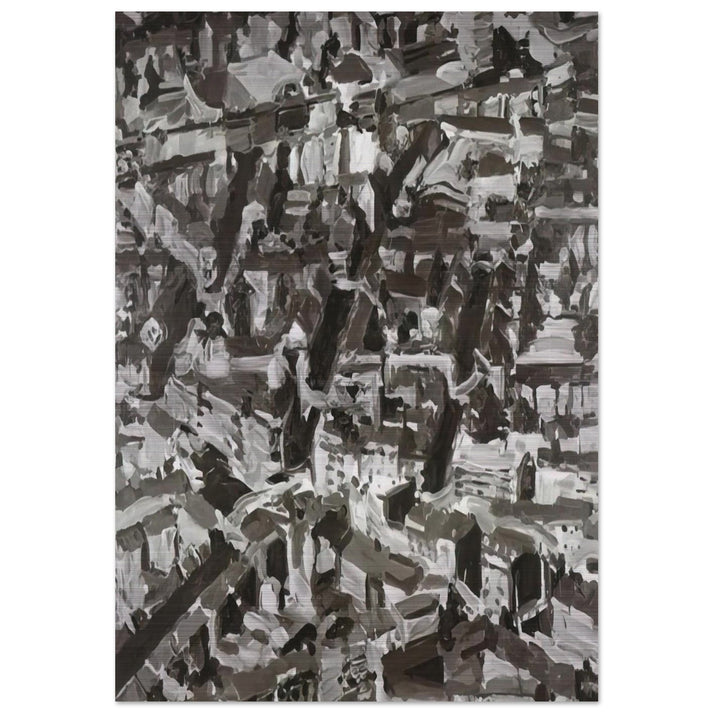
TOWNSCAPE D 1968 - Gerhard Richter Brushed Aluminum Print - 70x100 cm / 28x40 inches | Gerhard Richter Aluminum Print | Gerhard Richter Prints
TOWNSCAPE D 1968 - Gerhard Richter Brushed Aluminum Print - 70x100 cm / 28x40 inches | Gerhard Richter Aluminum Print | Gerhard Richter Prints
Det gick inte att ladda hämtningstillgänglighet
Gerhard Richter's TOWNSCAPE D 1968: A Modernist Masterpiece on Brushed Aluminum
Experience the iconic Gerhard Richter TOWNSCAPE D 1968 in a revolutionary format with this museum-quality aluminum print. Created during Richter's pivotal exploration of urban abstraction, this artwork captures the essence of postwar modernity through blurred architectural forms and a dynamic interplay of light and shadow. RedKalion's premium reproduction transforms this historic piece into a contemporary statement, printed directly on brushed silver Aluminum DIBOND® with a 3mm thickness for exceptional durability and a sleek, rigid profile.
This fine art print measures 70x100 cm (28x40 inches), offering a commanding presence in any space. The direct print technique ensures vivid, archival-grade colors with a matte, glare-free finish, while unprinted areas reveal a striking metallic silver effect that enhances the artwork's modernist aesthetic. The horizontal grain of the aluminum adds a subtle texture, creating a dynamic look that evolves with changing light. Each print includes a complete hanging kit for effortless installation, making it ready to elevate your home or office with a piece of art history.
RedKalion specializes in archival reproductions that honor the original's integrity. Our process uses high-fidelity printing on Aluminum DIBOND®, a material chosen for its resistance to fading and environmental damage, ensuring your investment endures for generations. This print is not merely a decoration but a curated artifact, blending Richter's innovative vision with cutting-edge display technology.
Art Historical Insight
Gerhard Richter, a leading figure in contemporary art, developed his Townscape series in the late 1960s, using photographic sources and painterly techniques to deconstruct urban environments. TOWNSCAPE D 1968 exemplifies his 'blur' method, where precise details dissolve into atmospheric abstraction, challenging perceptions of reality and memory. This approach reflects Richter's ongoing dialogue between photography and painting, making it a seminal work in 20th-century art.
Why Choose RedKalion?
- Authentic Reproduction: Faithfully captures Richter's tonal nuances and compositional balance.
- Premium Materials: Brushed silver Aluminum DIBOND® with a 3mm thickness for a professional, gallery-ready finish.
- Archival Quality: Direct print technology ensures longevity and color stability.
- Expert Curation: Each piece is selected and produced to meet the highest standards of art historical accuracy.
Elevate your space with this archival masterpiece that bridges historical significance and modern design. Trust RedKalion to deliver a Gerhard Richter aluminum print that inspires and endures.


Discover Unlimited Art Possibilities
At RedKalion, you can find virtually any artwork from any artist, available in a wide range of sizes to perfectly match your space.
If you didn’t find what you’re looking for, contact us at support@redkalion.com . We will source any artwork and produce it in any size and format you need, including art prints, posters, canvas, framed pieces, framed canvas, and more.
For dedicated art enthusiasts, we also offer handcrafted replicas of any artwork, carefully painted by highly skilled artists using traditional techniques.
For custom requests, contact us at support@redkalion.com .
What are the dimensions and material of this Gerhard Richter print?
This print measures 70x100 cm (28x40 inches) and is made from brushed silver Aluminum DIBOND® with a 3mm thickness, offering a durable, rigid base with a metallic finish and horizontal grain for a dynamic look.
How is the print applied to the aluminum surface?
It features direct printing on Aluminum DIBOND®, ensuring vivid colors and a matte, glare-free finish. Unprinted white areas reveal a striking metallic silver effect, ideal for this black-and-white design.
Is a hanging kit included with the aluminum print?
Yes, a complete hanging kit is included with every order; specific components may vary by fulfillment country to ensure secure installation.
What makes this a museum-quality reproduction?
RedKalion uses archival-grade printing on Aluminum DIBOND® for fade resistance and color stability, faithfully reproducing Richter's TOWNSCAPE D 1968 with art historical accuracy.
How should I care for and clean my aluminum print?
Gently dust with a soft, dry cloth. Avoid harsh chemicals or abrasives, as the matte finish and aluminum surface are designed for long-term durability with minimal maintenance.
What is the historical significance of TOWNSCAPE D 1968?
Created in 1968, this work is part of Gerhard Richter's Townscape series, using photographic blur techniques to abstract urban scenes, reflecting postwar modernity and challenging traditional art forms.
Why did Gerhard Richter use a blurred style in this artwork?
Richter employed blurring to dissolve precise details, creating an atmospheric effect that explores memory, perception, and the interplay between photography and painting in contemporary art.