Discover Unlimited Art Possibilities
At RedKalion, you can find virtually any artwork from any artist, available in a wide range of sizes to perfectly match your space.
If you didn’t find what you’re looking for, contact us at support@redkalion.com . We will source any artwork and produce it in any size and format you need, including art prints, posters, canvas, framed pieces, framed canvas, and more.
For dedicated art enthusiasts, we also offer handcrafted replicas of any artwork, carefully painted by highly skilled artists using traditional techniques.
For custom requests, contact us at support@redkalion.com .
What is the quality of the paper used for this Jawlensky print?
We use Master's Edition archival paper. It is 250 gsm (110 lb) and 0.29 mm thick, providing a sturdy, premium feel that mirrors museum-grade materials.
Will the colors of Cottage in the Woods fade over time?
No. Our prints are made on acid-free paper with a pH level above 7. This prevents yellowing and ensures the colors remain vibrant for decades.
Is the shipping process sustainable for this fine art poster?
Yes. We use FSC-certified paper and print on demand to reduce waste. Your order is fulfilled with no minimum requirements and shipped securely to ensure it arrives in pristine condition.
Does the print come with a frame?
This product is a premium fine art poster, delivered unframed. Its standard 75x100 cm (30x40 inches) size makes it easy to find custom or ready-made frames.
How does the matte finish affect the look of the artwork?
The matte, uncoated finish provides a natural white, non-reflective surface. This highlights the rich textures of Jawlensky’s brushwork without the distraction of glare from indoor lighting.
What was Alexej von Jawlensky's style in 1903?
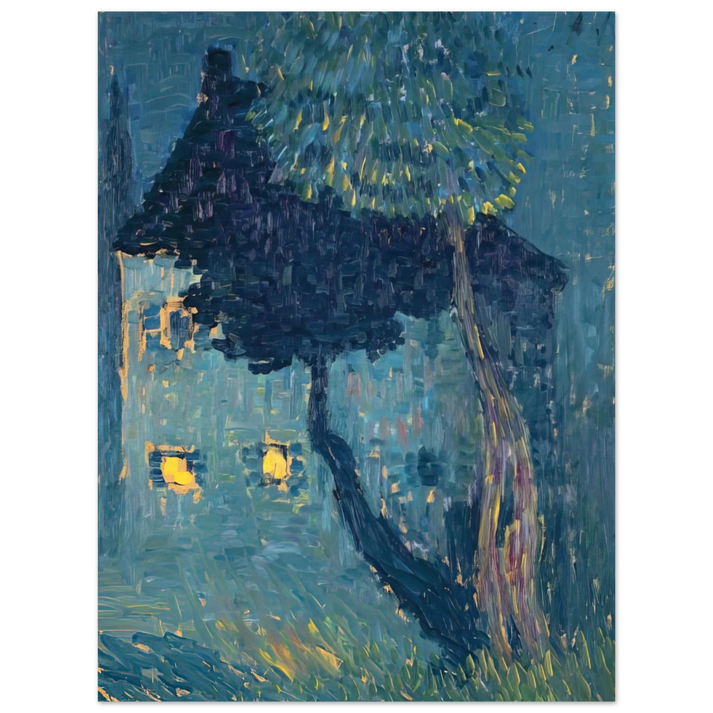
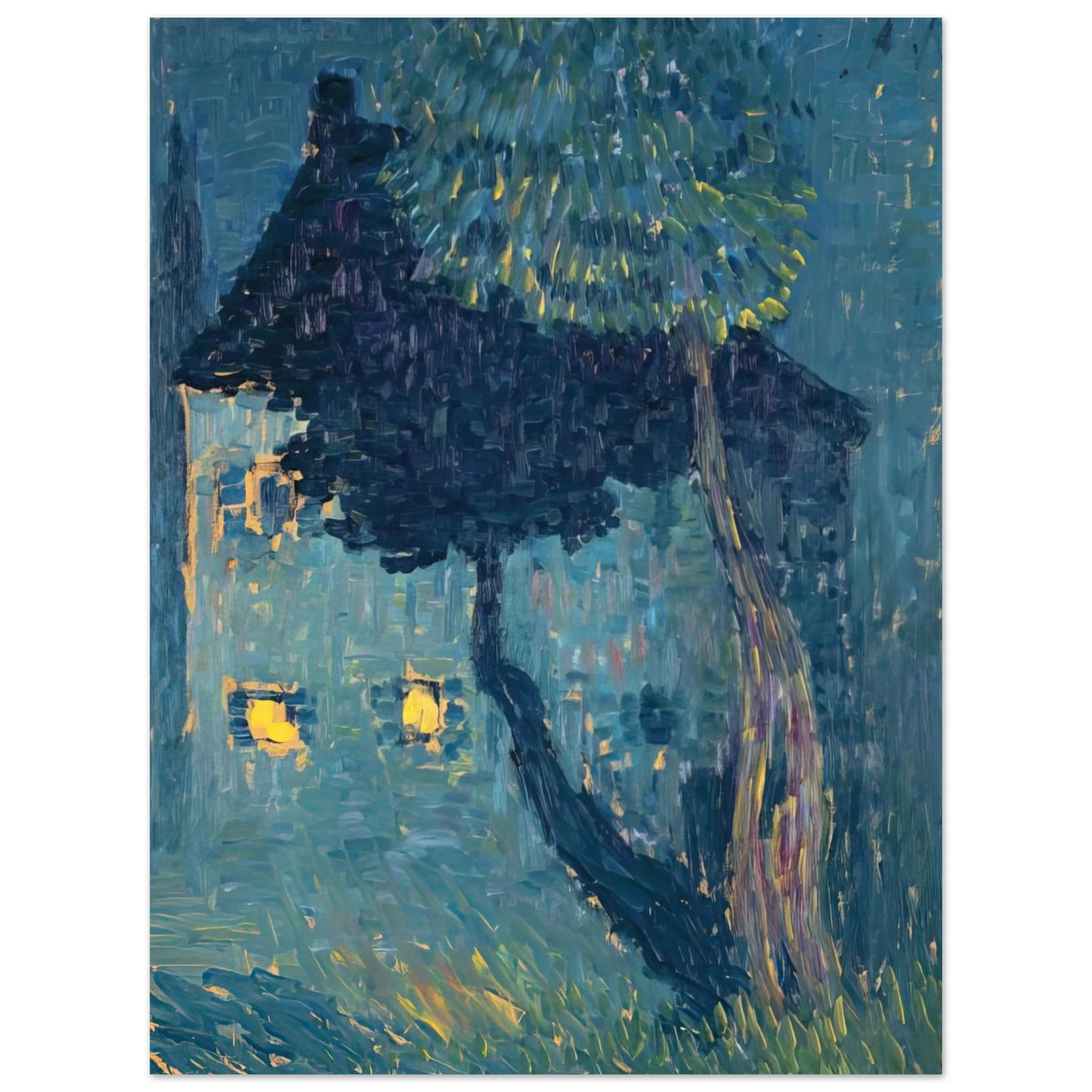
In 1903, Jawlensky was transitioning from Impressionism to Expressionism. Cottage in the Woods reflects his early exploration of bold color and structured forms influenced by the Munich art scene.
Why is Cottage in the Woods considered a significant piece?
This work represents the bridge between traditional landscape painting and the avant-garde movements like Fauvism. It showcases Jawlensky’s mastery of light and his emerging emotive color palette.