

Discover Unlimited Art Possibilities
At RedKalion, you can find virtually any artwork from any artist, available in a wide range of sizes to perfectly match your space.
If you didn’t find what you’re looking for, contact us at support@redkalion.com . We will source any artwork and produce it in any size and format you need, including art prints, posters, canvas, framed pieces, framed canvas, and more.
For dedicated art enthusiasts, we also offer handcrafted replicas of any artwork, carefully painted by highly skilled artists using traditional techniques.
For custom requests, contact us at support@redkalion.com .
What material is used for this Kandinsky reproduction?
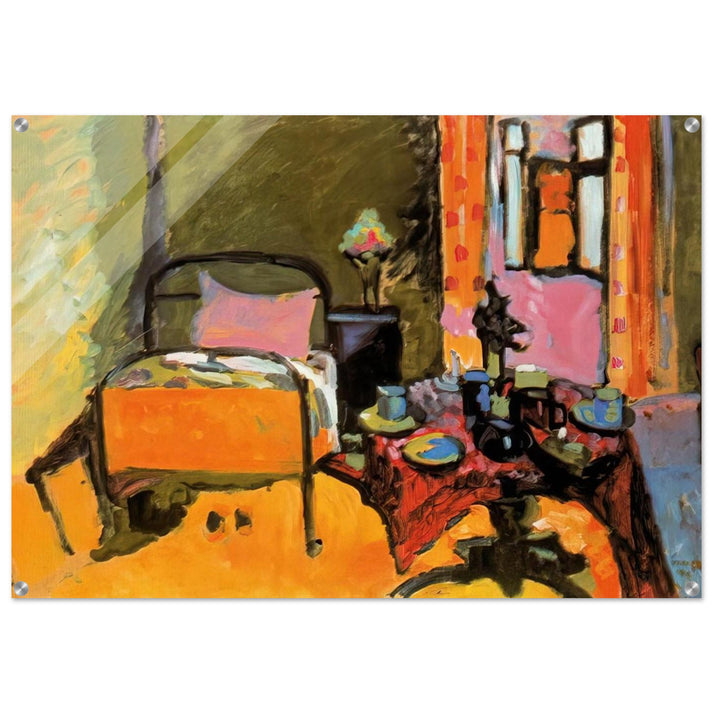
This reproduction is crafted using 4mm (0.15") high-quality acrylic, providing a vibrant, sleek, and durable finish that enhances the depth of Wassily Kandinsky’s color palette.
Is the print durable and long-lasting?
Yes, our archival-grade acrylic prints are designed for longevity. The material is UV-resistant and moisture-resistant, ensuring the masterpiece remains a staple of your collection for decades.
How do I mount this acrylic print?
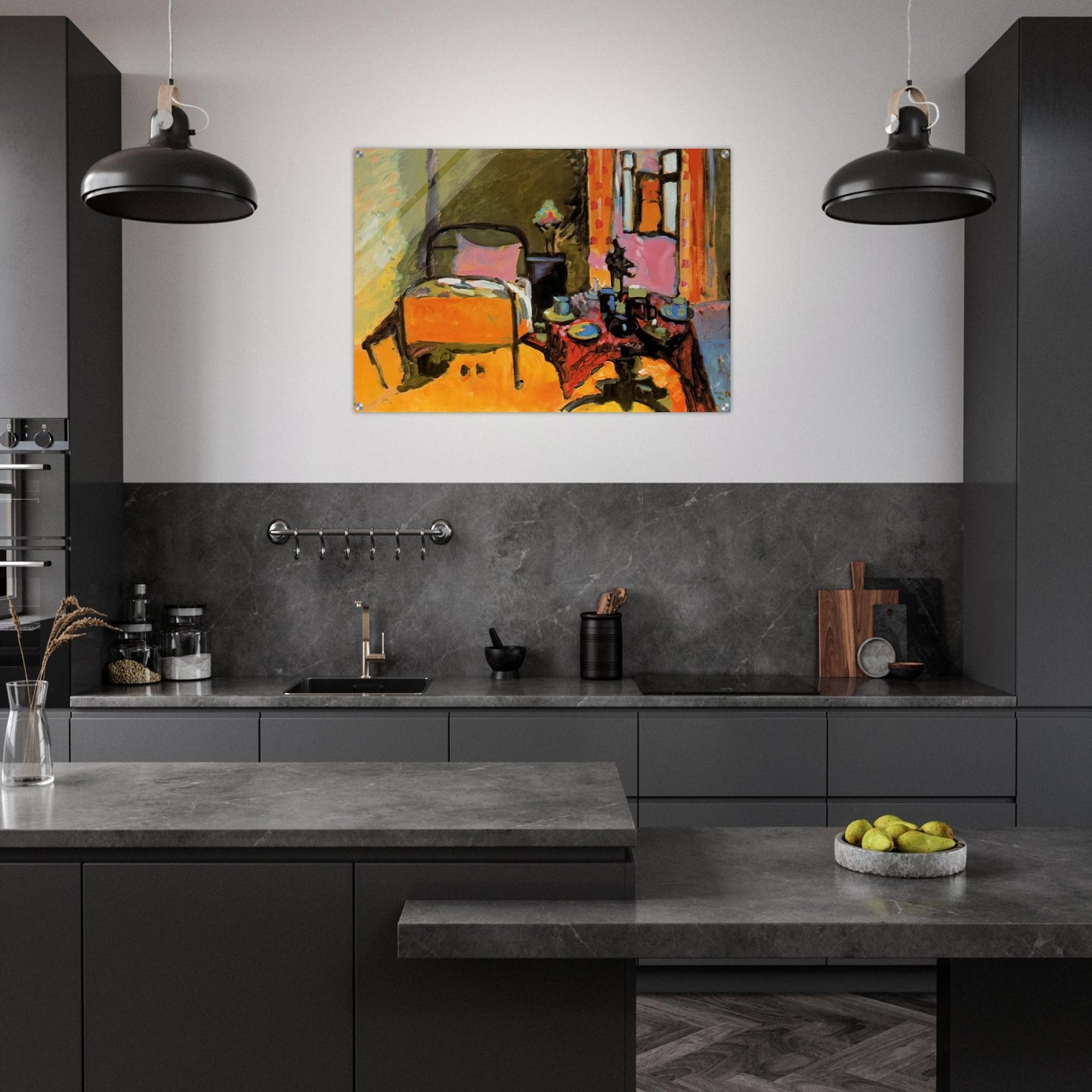
Each print includes a professional hanging kit with screws. Hardware fits into 8mm pre-drilled holes located 14mm from each corner, ensuring a secure and elegant installation.
How is the artwork shipped and protected?
RedKalion utilizes specialized protective packaging to ensure your acrylic print arrives in pristine condition, regardless of its global destination.
What is the archival longevity of the print?
Our museum-quality acrylic prints are engineered to meet archival standards, resisting fading and maintaining color integrity to ensure your investment retains its visual impact over time.
What is the significance of the year 1909 in Kandinsky's career?
1909 marks Kandinsky's 'Murnau period,' a critical phase where he moved away from representational art toward the bold abstraction and Expressionism that defined his legacy.
How does the color palette in this work reflect Expressionism?
Kandinsky uses non-naturalistic, saturated hues to convey internal emotional states rather than physical reality, a hallmark of the Expressionist movement’s focus on the 'inner soul.'