
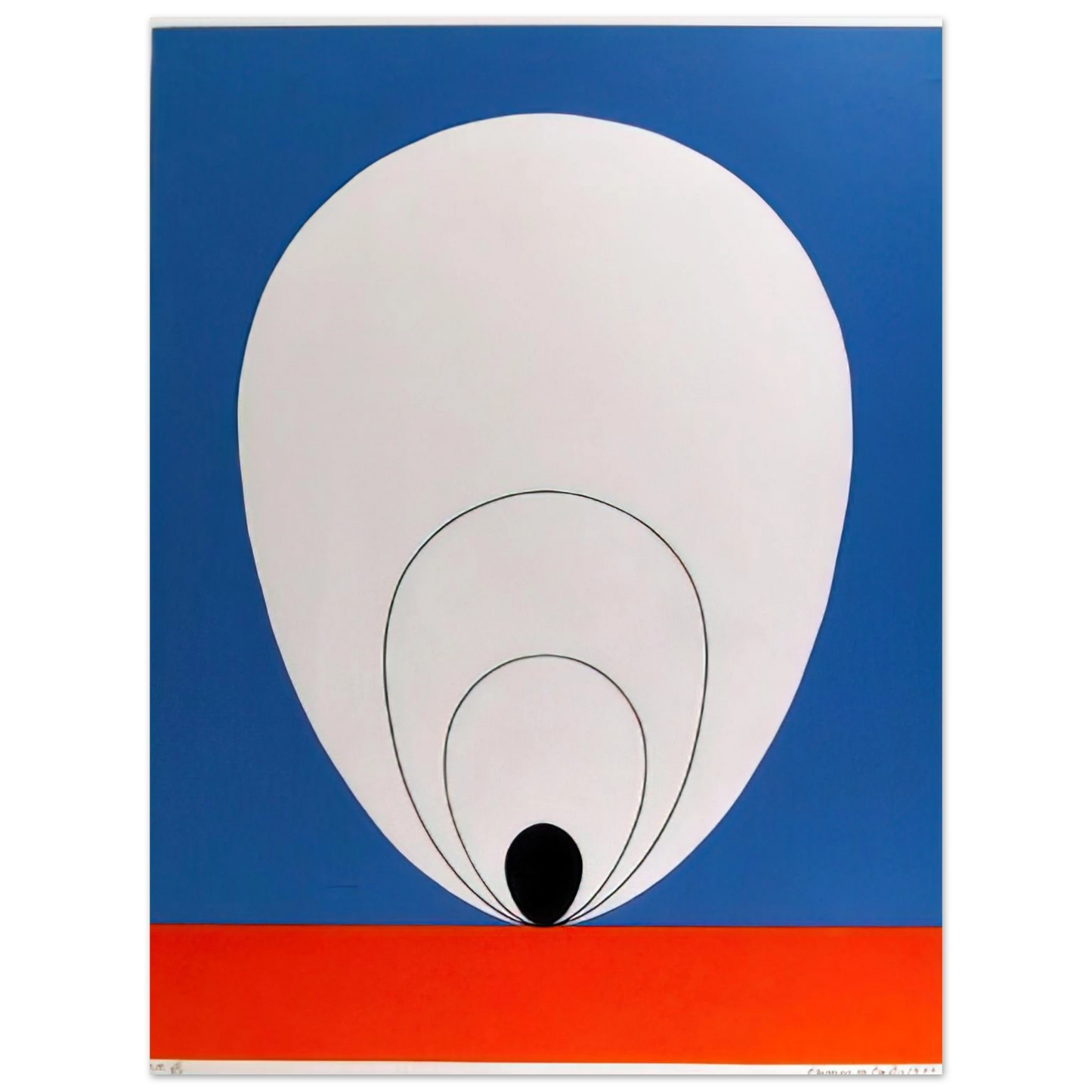
What makes the 'Tulip' print museum-quality?
Our 'Tulip' prints use Master's Edition 250 gsm archival paper with a matte, uncoated finish. This ensures a luxurious texture and high color accuracy, mirroring the standards of world-leading galleries and ensuring your fine art reproduction is of the highest professional caliber.
How long will this Clarence Holbrook Carter reproduction last?
Thanks to our acid-free paper (pH above 7), this print is designed to resist yellowing and degradation over time. When kept out of direct sunlight, these archival materials ensure the artwork remains vibrant for many decades, making it a true heirloom piece.
Is the paper used for this print sustainable?
Yes, sustainability is a core value at RedKalion. We use FSC-certified paper or equivalent certifications depending on regional availability. This ensures that your Clarence Holbrook Carter masterpiece supports responsible forest management and environmental protection.
Does the print come with a frame or specific finish?
This specific listing is for the unframed 75x100 cm print. It features a sophisticated matte, natural white finish that avoids distracting reflections. This off-white base provides a warm, authentic background that perfectly complements the 1978 color palette of the original work.
How are RedKalion prints fulfilled and shipped?
We print each 'Tulip' poster on demand to ensure perfect quality with no minimum orders. Your artwork is carefully packaged and shipped from the nearest fulfillment center to your location, reducing carbon emissions and ensuring the print arrives in pristine condition.
What was the artistic context of Clarence Holbrook Carter in 1978?
By 1978, Carter had moved toward 'Eschatos,' a series exploring transcendental and architectural themes. 'Tulip' reflects this period's focus on geometric perfection and the spiritual essence of nature, marking a bridge between his earlier realism and his later metaphysical explorations.
How does 'Tulip' reflect Carter's Precisionist roots?
The artwork displays the clean lines and smooth surfaces characteristic of Precisionism. By applying these techniques to a botanical subject, Carter creates a sense of stillness and order, transforming a simple tulip into a monumental study of light, shadow, and organic architecture.