
Frequently Asked Questions
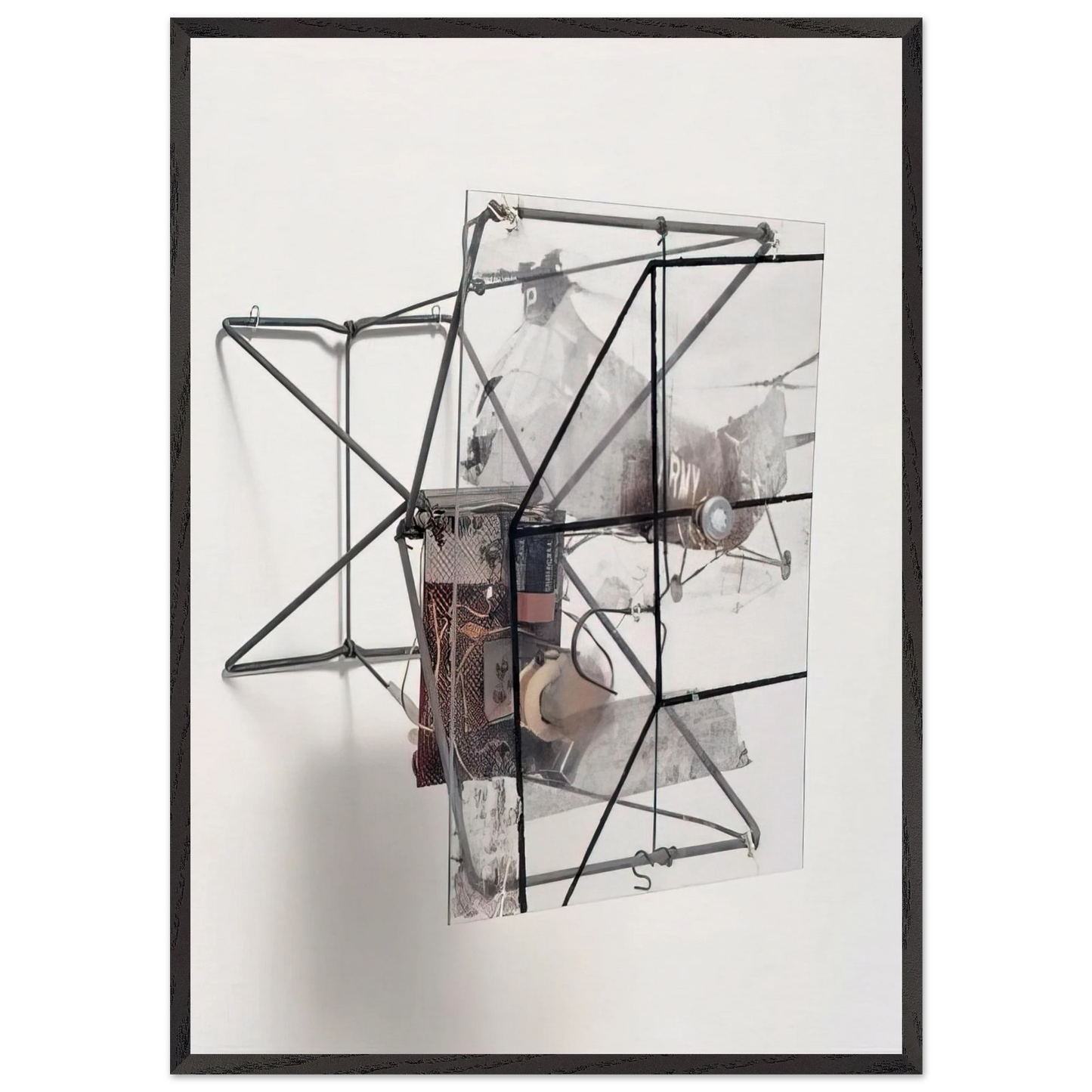
What is "Dry Cell" and who is Robert Rauschenberg?
"Dry Cell" is a significant 1963 artwork by Robert Rauschenberg, a leading figure in American contemporary art known for his "combines." This piece exemplifies his innovative approach to mixed media.
What are the paper specifications for this fine art print?
This museum-quality reproduction is printed on 250 gsm (110 lb) matte, uncoated, natural white archival paper, 0.29 mm thick, ensuring vibrant colors and longevity.
What materials are used for the frame?
The frame is constructed from responsibly sourced oak and ash wood, featuring a substantial 20mm (0.79") thickness and width for a premium look and feel.
How is the print protected?
The artwork is protected by shatterproof plexiglass, offering excellent clarity and safeguarding the print from damage.
Is the artwork ready to hang upon arrival?
Yes, this framed art print comes with a pre-attached hanging kit, making it ready to be displayed on your wall immediately.
What does "museum-quality" mean in this context?
It signifies the use of archival paper, high-fidelity printing techniques, and premium framing materials, ensuring the artwork's aesthetic and physical integrity will last for generations.
Is the paper used in this print sustainable?
Yes, the paper is FSC-certified or equivalent, ensuring it is sourced from responsibly managed forests and adheres to strict environmental standards.
What is the artistic significance of Robert Rauschenberg's "combines"?
Rauschenberg's "combines" revolutionized art by merging painting and sculpture, incorporating everyday objects and challenging conventional artistic boundaries of the mid-20th century.