

Discover Unlimited Art Possibilities
At RedKalion, you can find virtually any artwork from any artist, available in a wide range of sizes to perfectly match your space.
If you didn’t find what you’re looking for, contact us at support@redkalion.com . We will source any artwork and produce it in any size and format you need, including art prints, posters, canvas, framed pieces, framed canvas, and more.
For dedicated art enthusiasts, we also offer handcrafted replicas of any artwork, carefully painted by highly skilled artists using traditional techniques.
For custom requests, contact us at support@redkalion.com .
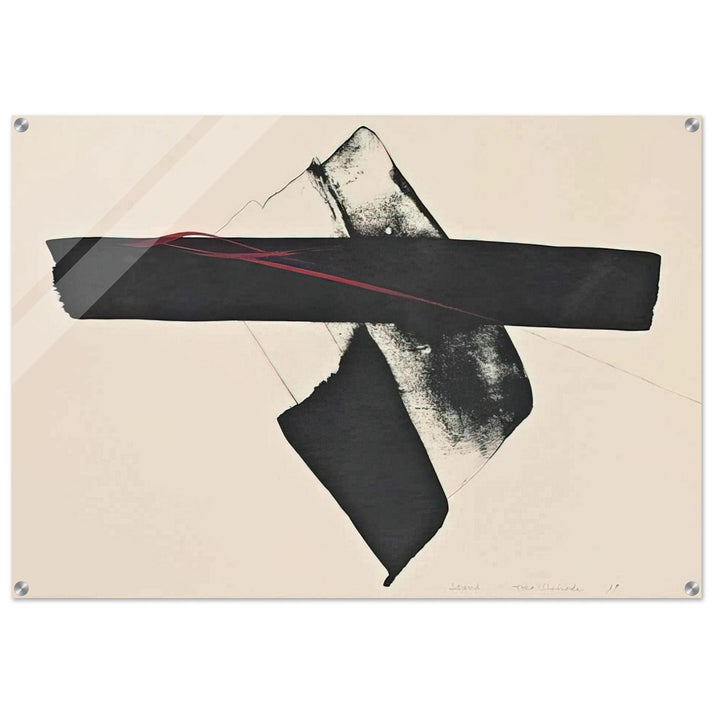
What are the dimensions and material of this Toko Shinoda acrylic print?
This museum-quality reproduction measures 70x100 cm (28x40 inches) and is printed on 4mm (0.15") acrylic for a vibrant, durable finish with straight-cut corners.
How is the acrylic print mounted and hung?
It includes a hanging kit with hardware, screws, and pre-drilled screw holes at each corner (14mm from edge, 8mm diameter) for easy installation on your wall.
What is the significance of Toko Shinoda's 'Sound' in abstract expressionism?
'Sound' exemplifies Shinoda's fusion of Japanese calligraphy and Western abstraction, using gestural brushstrokes to evoke auditory and visual rhythms from the mid-20th century.
How does the archival quality ensure longevity for this fine art print?
The acrylic material and archival printing techniques protect against fading and damage, ensuring your reproduction remains vibrant for years as a durable art piece.
What is the shipping and handling process for this premium print?
We ship worldwide with secure packaging to prevent damage; delivery times vary by location, and tracking is provided for all orders.
How does Toko Shinoda incorporate calligraphy into her abstract works?
Shinoda uses sumi ink and brush techniques from calligraphy to create spontaneous, flowing lines that convey emotion and movement in her abstract expressionist art.
Why are transparent backgrounds set to white in this reproduction?
Transparent backgrounds default to white to enhance contrast and presentation, making the artwork stand out clearly in any modern interior setting.