Discover Unlimited Art Possibilities
At RedKalion, you can find virtually any artwork from any artist, available in a wide range of sizes to perfectly match your space.
If you didn’t find what you’re looking for, contact us at support@redkalion.com . We will source any artwork and produce it in any size and format you need, including art prints, posters, canvas, framed pieces, framed canvas, and more.
For dedicated art enthusiasts, we also offer handcrafted replicas of any artwork, carefully painted by highly skilled artists using traditional techniques.
For custom requests, contact us at support@redkalion.com .
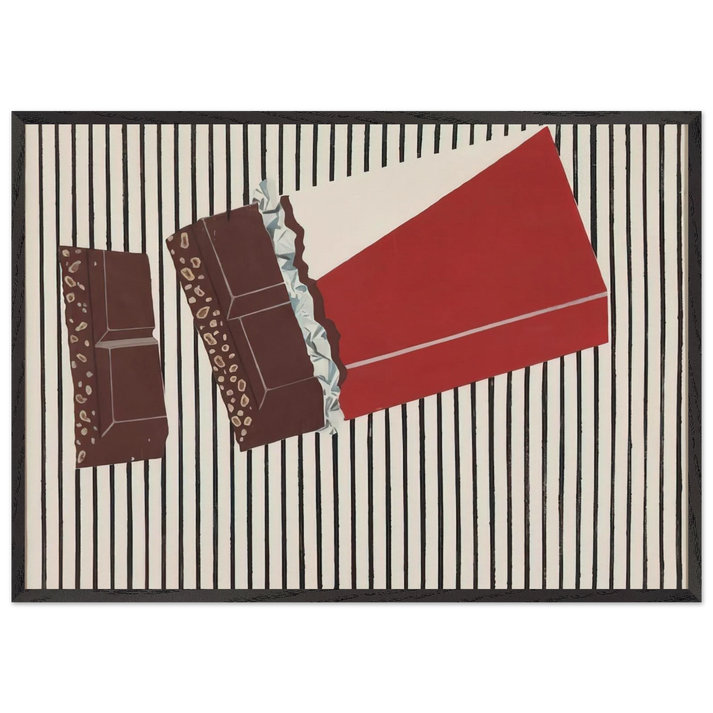
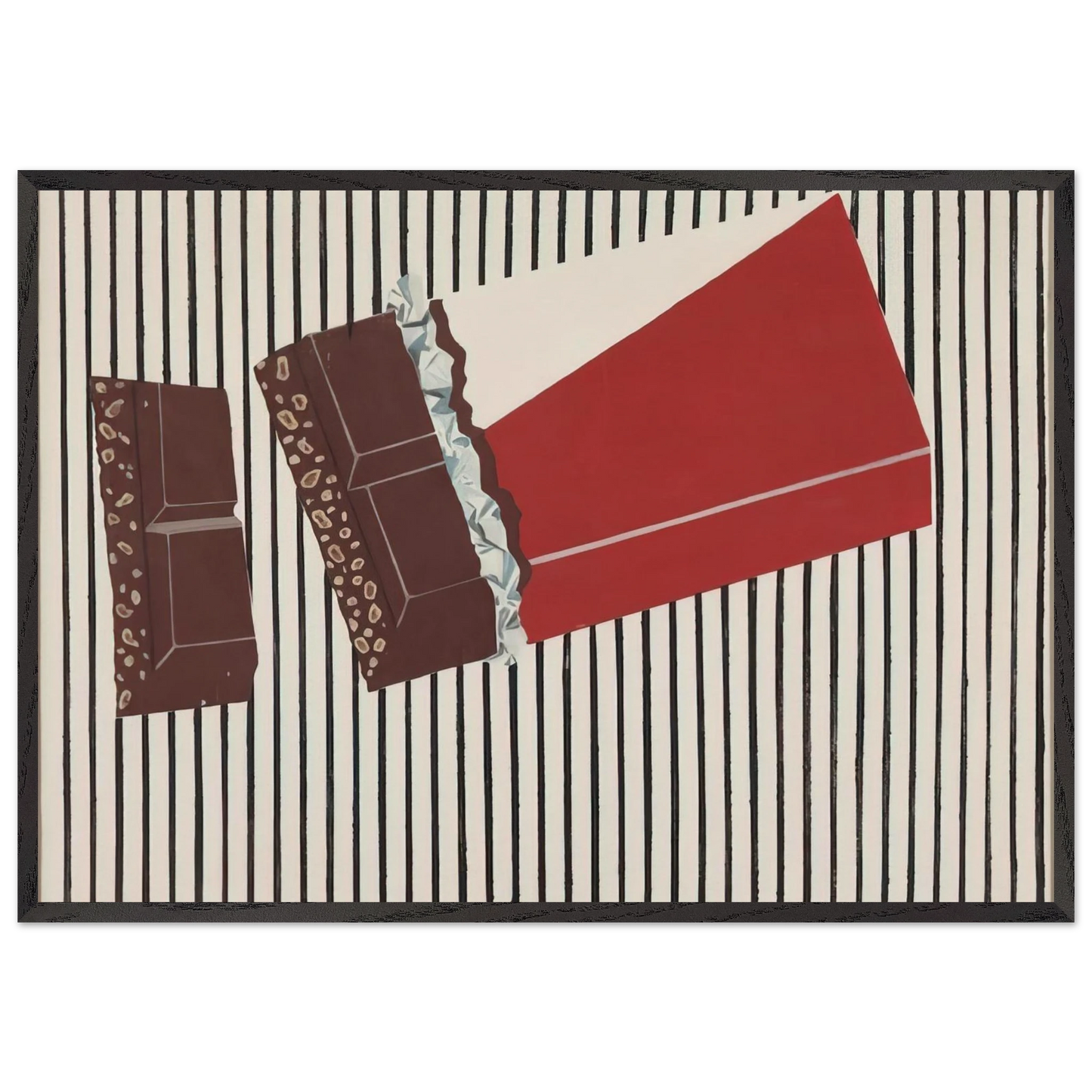
What makes the Schokoladenbild (1964) significant in art history?
Sigmar Polke's 1964 Chocolate Painting is a primary example of Capitalist Realism, reacting to both Socialist Realism and American Pop Art by exploring German consumerism with irony.
What are the specifications of the frame used for this Sigmar Polke print?
We use a premium 20mm (0.79") thick frame made from responsibly sourced oak and ash wood, finished in a sleek black that complements the modern aesthetic.
Is the paper used for this fine art reproduction archival quality?
Yes, we use 250 gsm (110 lb) matte, uncoated, natural white paper that is archival-grade and FSC-certified to ensure longevity and color fidelity.
How is the artwork protected during shipping and on the wall?
Each print is protected by shatterproof, transparent plexiglass and arrives with a hanging kit included, ready to elevate your space immediately upon delivery.
Does this print include a white border around the image?
Our Sigmar Polke reproductions are designed to fit the frame perfectly; please refer to the product imagery for specific border styling on the 70x100 cm format.
How does RedKalion ensure the sustainability of its art prints?
We use FSC-certified or equivalent sustainable materials for both our paper and wooden frames, supporting responsible forest management globally.
What was Sigmar Polke's "Rasterdot" technique found in works from this era?
Polke often used "Rasterbilder" (dot paintings), mimicking industrial printing processes to critique the mass-mediated reality of the 1960s, a precursor to his later experimental works.